Chancellor Pablo Quirno confirmed the signing of the Reciprocal Trade and Investment Agreement
Compartir:
The national government announced this Thursday the signing of the Reciprocal Trade and Investment Agreement between Argentina and the United States, an understanding that aims to deepen bilateral ties, expand trade exchange, and consolidate a favorable framework for private investment.
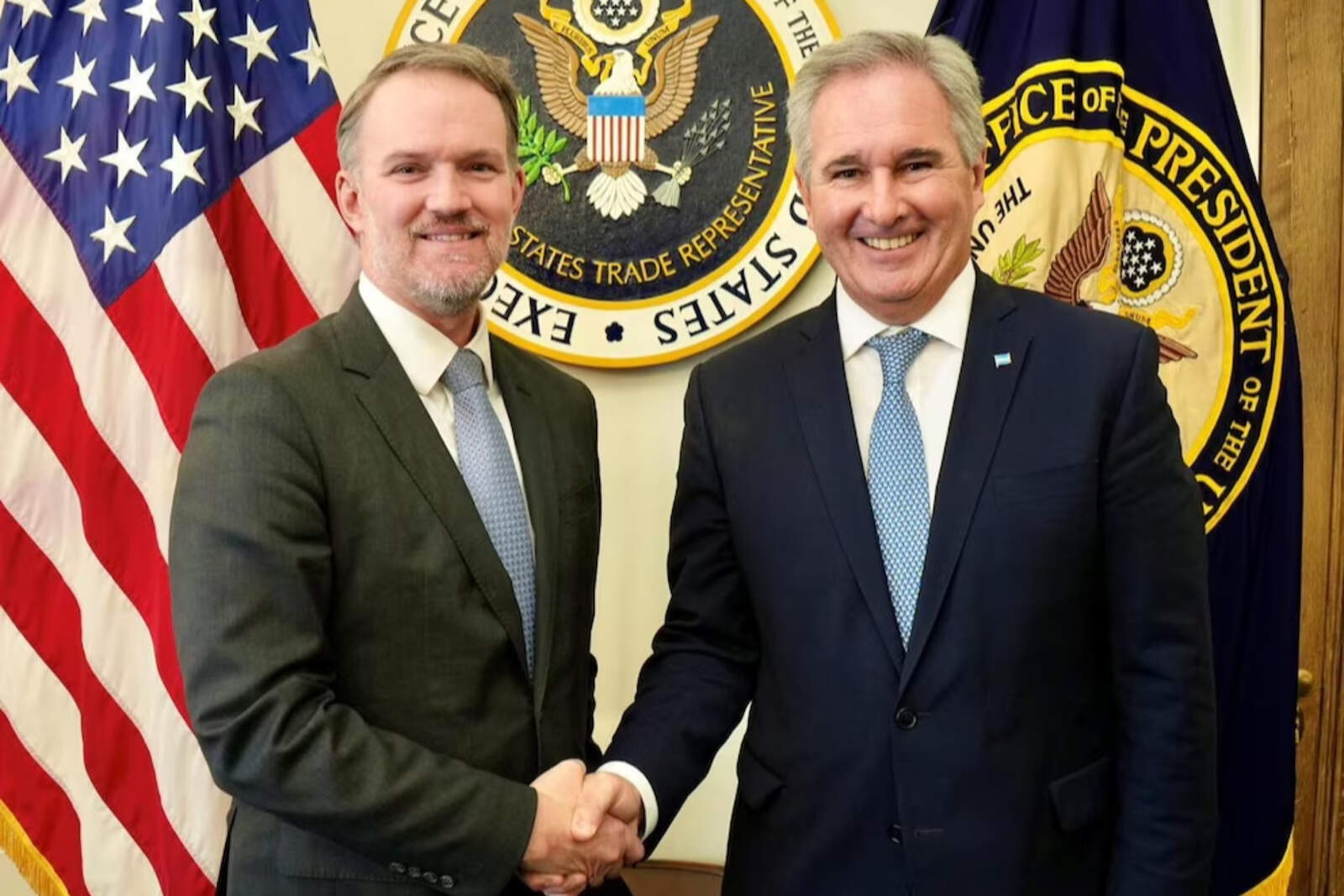
From Washington, Foreign Minister Pablo Quirno confirmed the signing of the agreement after a meeting with U.S. authorities. On his social media, he highlighted the joint work and thanked the U.S. trade representative, headed by Jamieson Greer, for the progress achieved.
Pablo Quirno junto a Jamieson Greer.
According to the official information, the agreement seeks to establish clear and predictable rules for trade and investment, strengthen economic cooperation, and create conditions for greater integration between both countries. The initiative is part of the government of Javier Milei's strategy to reposition Argentina within the framework of open and reliable economies for international capital.
The understanding with the United States is not an isolated event, but rather forms part of a broader diplomatic and economic agenda that the Executive has been developing since it came to power. In this context, the signing of the trade agreement adds to other recent moves that reinforce the strategic alignment with Washington.
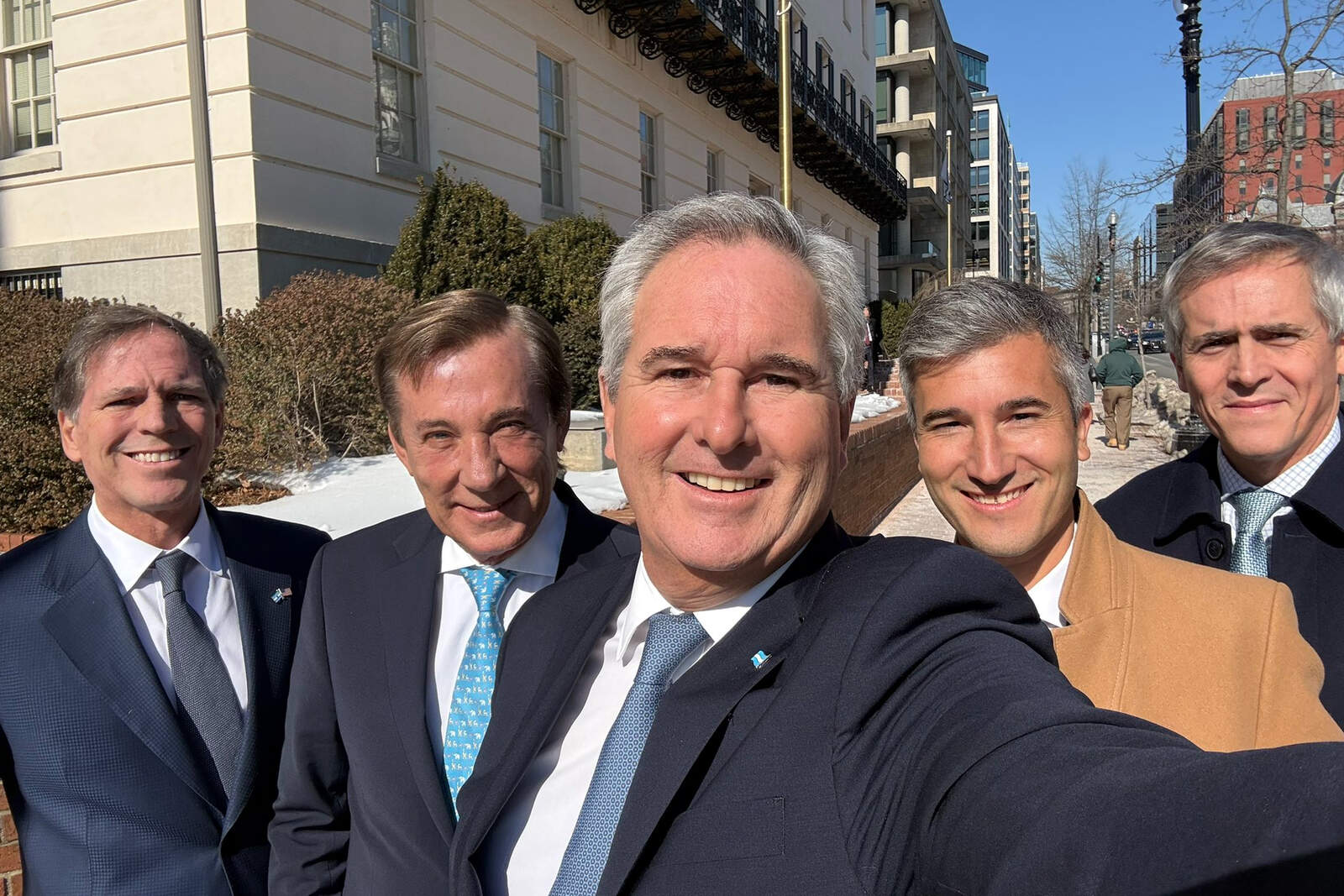
Pablo Quirno anunció la firma mediante su cuenta de X (ex Twitter).
One day earlier, Argentina had confirmed its accession to the global critical minerals coalition promoted by the United States, an initiative aimed at reducing the West's dependence on Chinese dominance in key sectors such as lithium, copper, and rare earths. That agreement, also signed by Quirno, aimed to strengthen secure supply chains and attract long-term investment in mining and processing.
Both developments reflect a coherent vision of foreign policy and economic development. In a context of macroeconomic stability, fiscal order, and predictable rules for investment, sectors such as mining, energy, and agribusiness appear as central pillars for the generation of foreign currency, employment, and sustained growth.
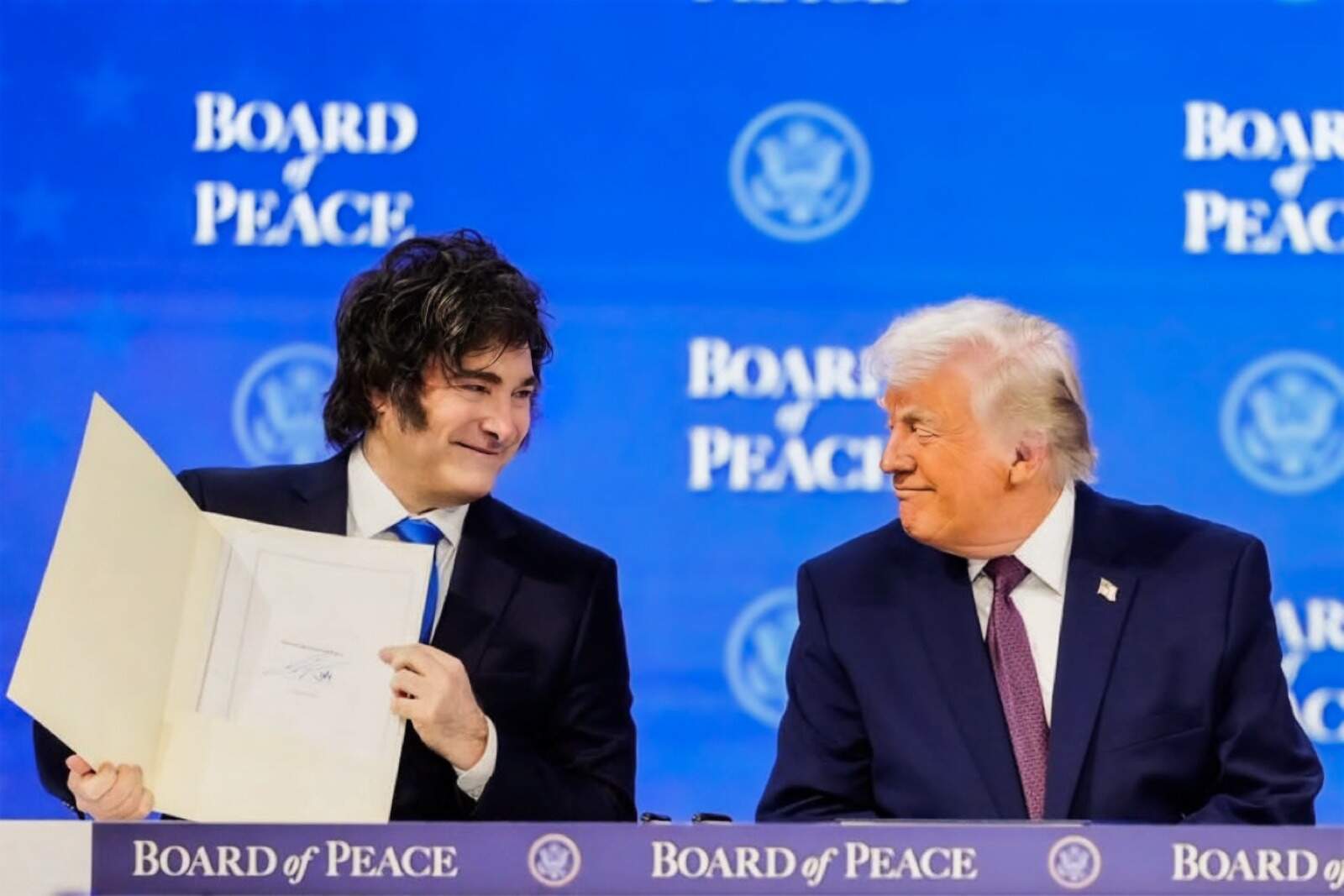
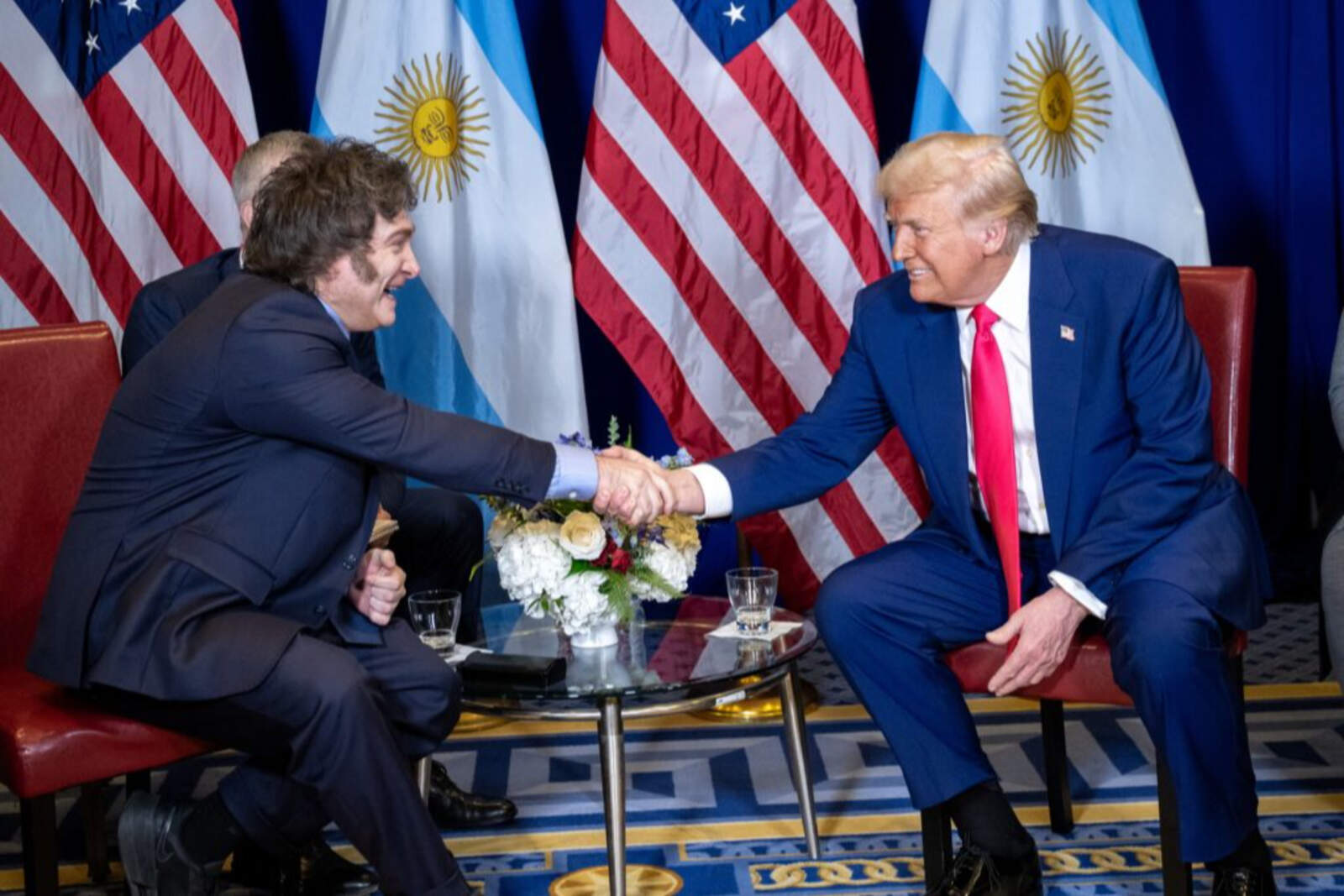
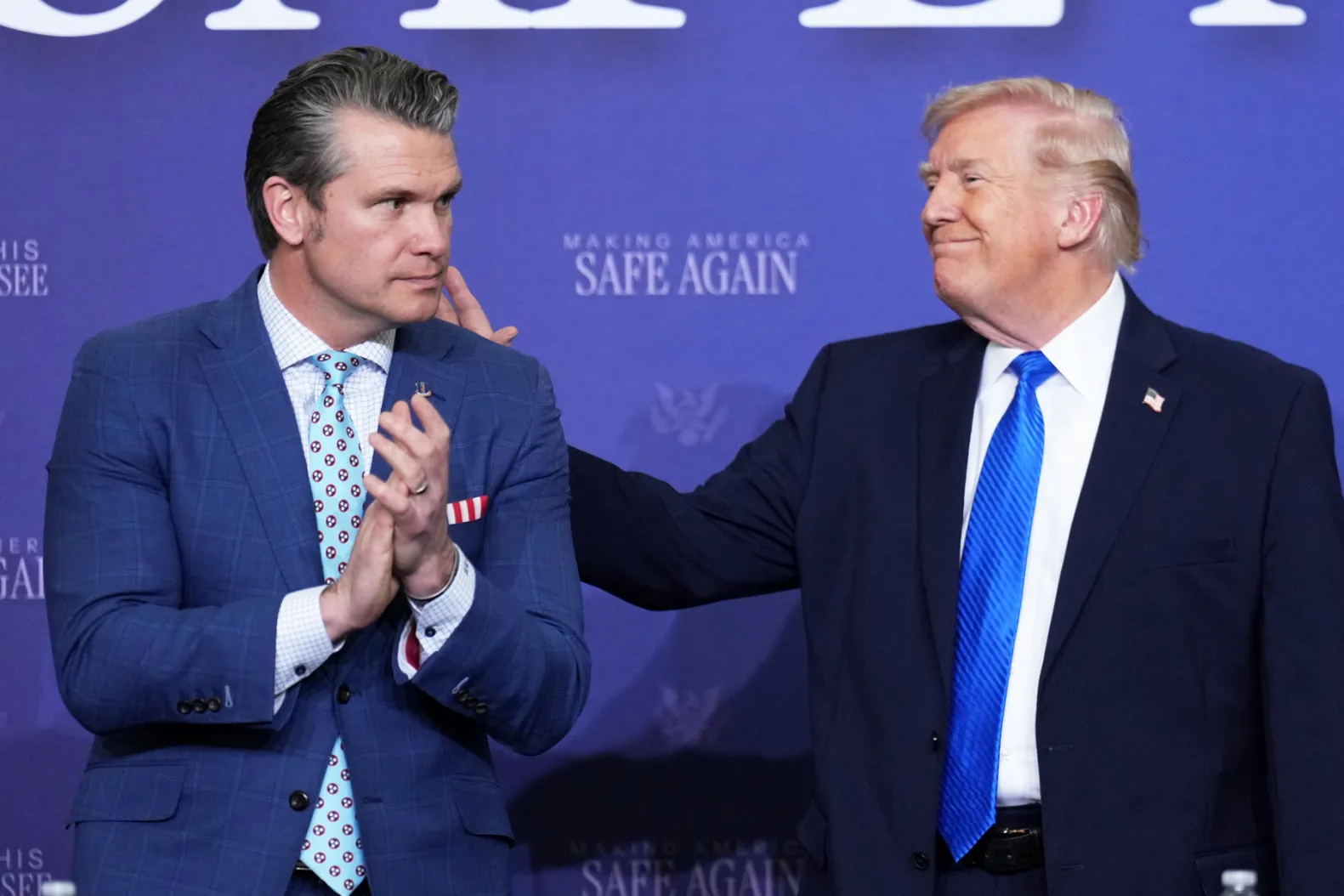
Javier Milei junto a Donald Trump.
Official projections indicate that, if this course is consolidated, Argentine exports could reach 100 billion dollars in the coming years, with a growing role for strategic sectors linked to foreign direct investment.
This way, the government continues to move forward with its agenda of economic openness, international integration, and alignment with the main Western powers, with the stated objective of leaving behind decades of isolation, mistrust, and policies that drove away investment and development opportunities.