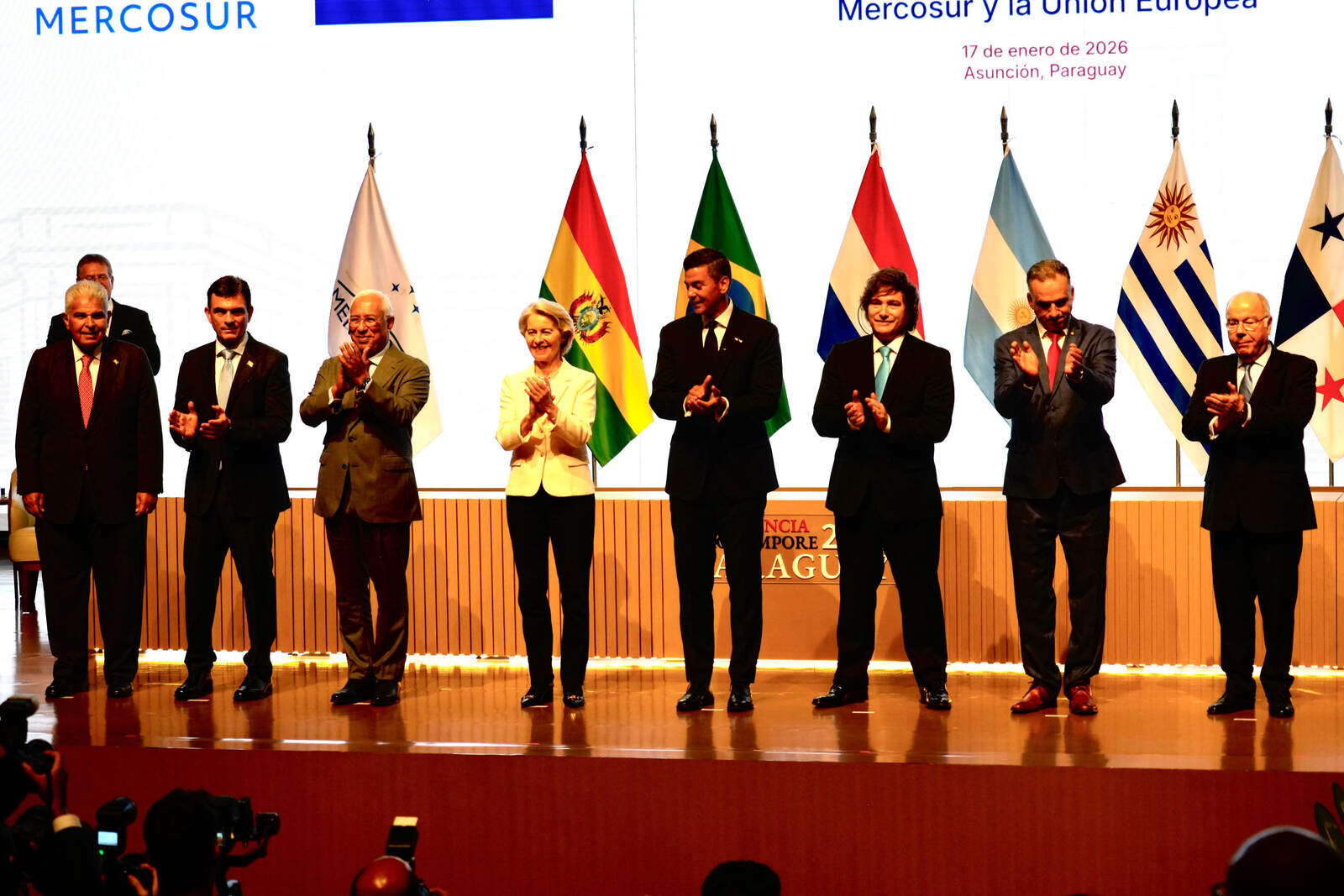

After more than 26 years of stalled negotiations, Mercosur and the European Union signed in Asunción one of the most relevant trade agreements in the world. The agreement, which covers nearly 25% of global GDP and a market of more than 700 million people, not only marks an economic milestone but also a political rupture within the South American bloc.
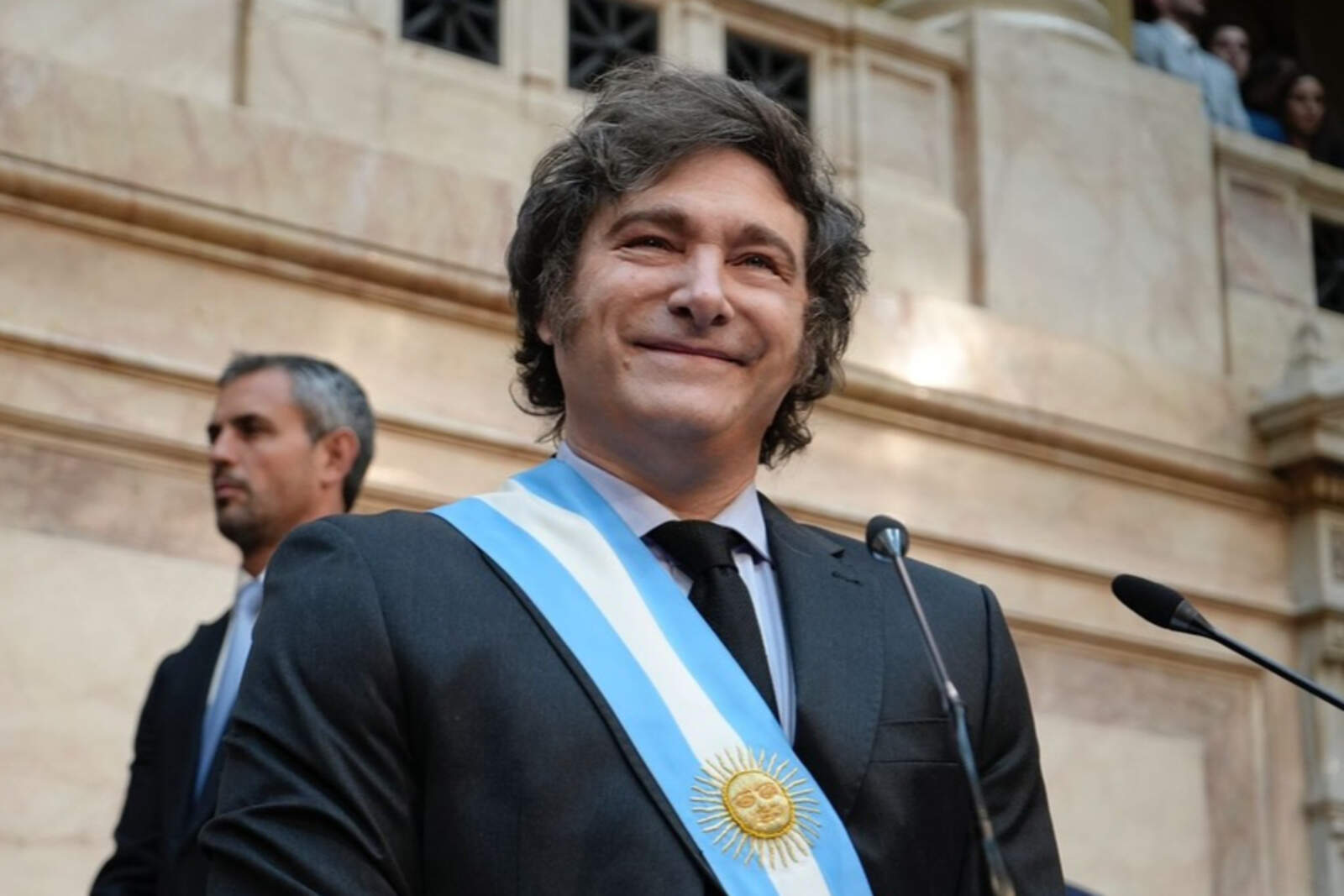
With a strategy of clear and unambiguous openness, the Argentine president, Javier Milei, pushed for a decision that Mercosur had postponed for decades due to internal disputes, protectionism, and lack of political solve. The contrast was evident: while Milei was present and celebrated the agreement as "the most important achievement in Mercosur's history", the communist Lula da Silva chose not to attend and once again showed his discomfort with a process that breaks the historical logic of the bloc and the region.
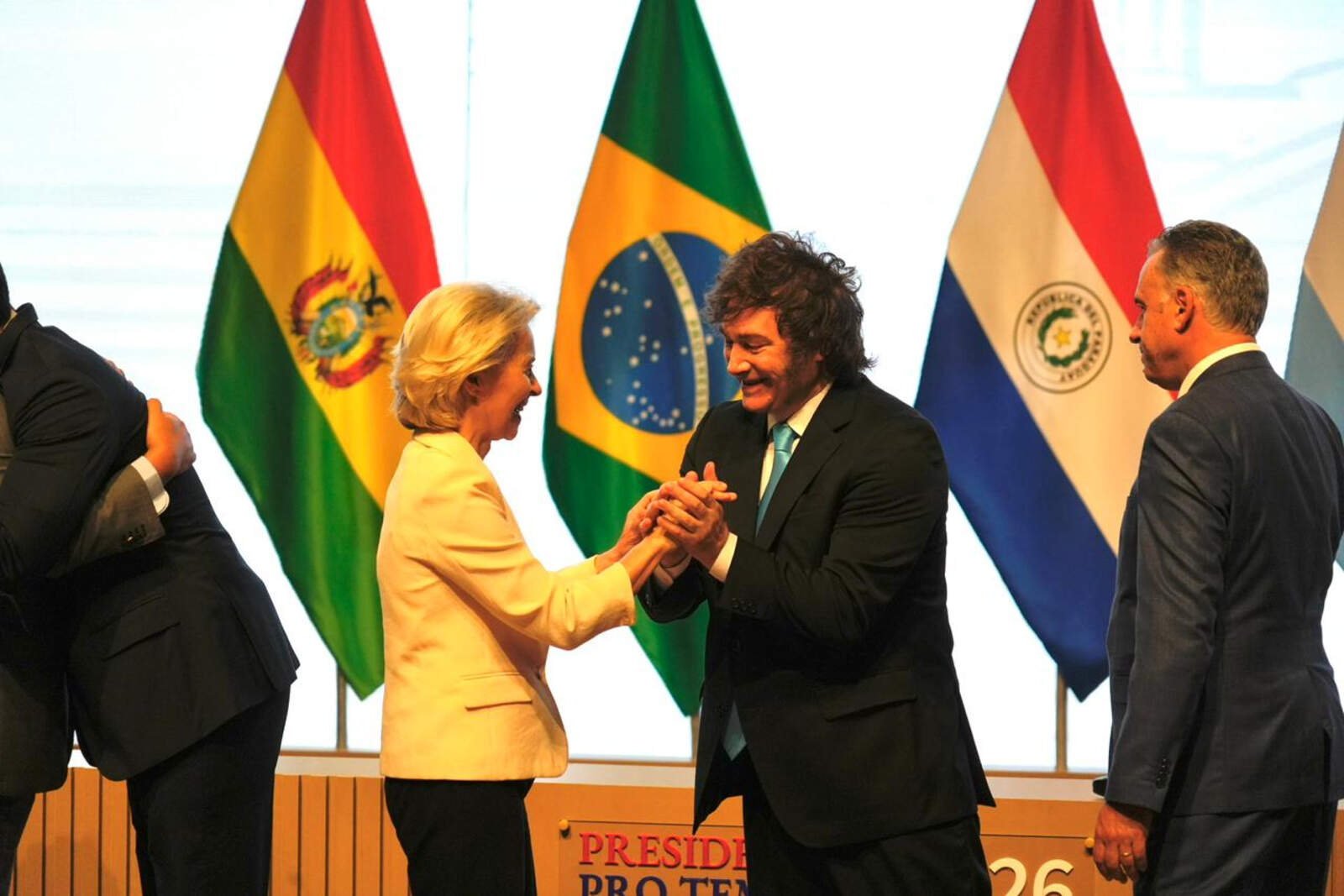
The absence of the Brazilian president was not a minor detail. Brazil has been, for years, the main brake on Mercosur's trade liberalization, prioritizing agreements that protect specific sectors of its economy over regional development. The new scenario exposes an underlying tension: while Argentina, Paraguay, and Uruguay push for integration with the world, Brazil insists on preserving concentrated benefits that are sustained at the cost of less competition, higher prices, and lower growth for the region.