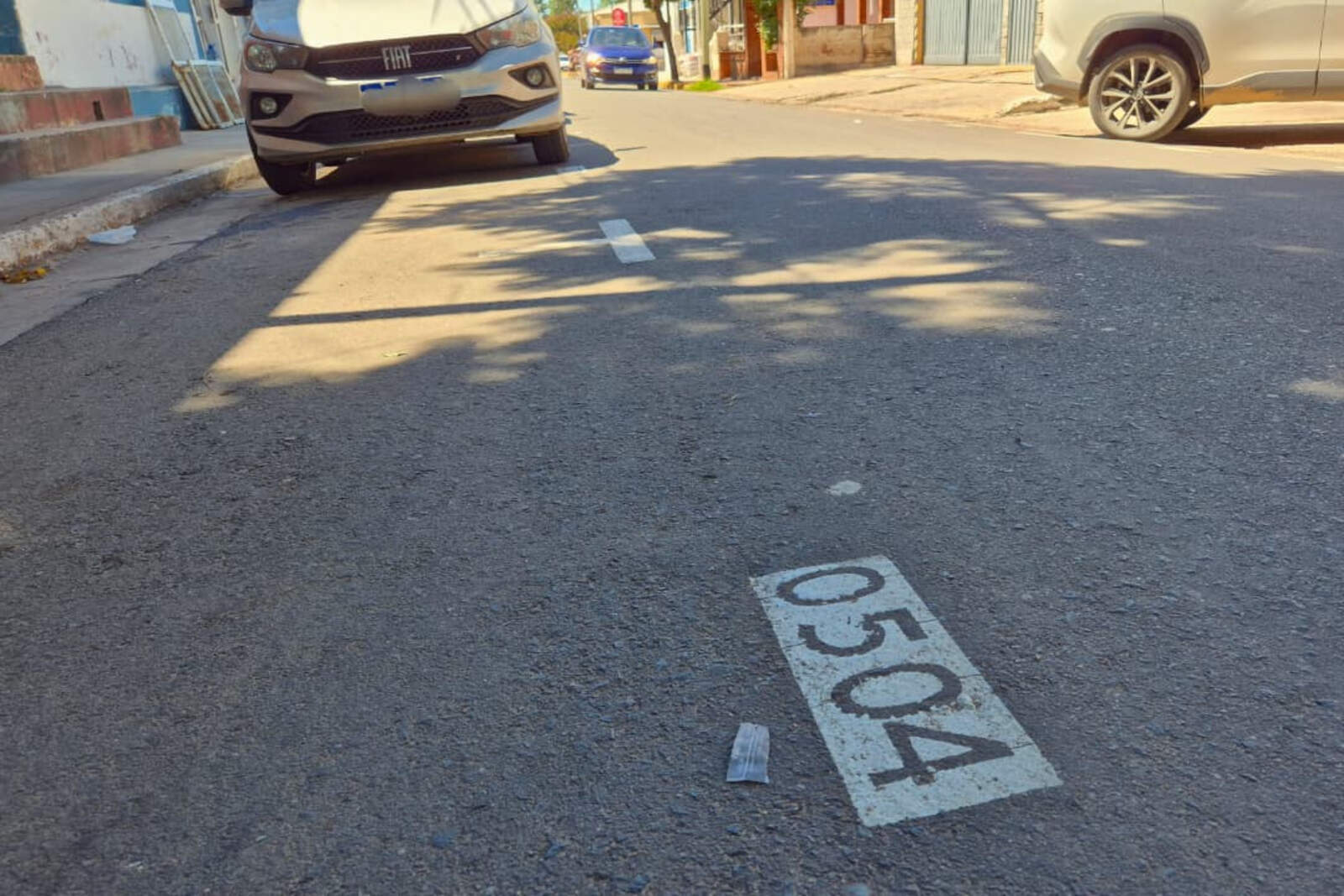
For this reason, this week it presented VA Parking, a new digital system for parking downtown.
The new system aims to improve urban mobility, encourage vehicle turnover, and boost local commerce.
The initiative emerged as a response to the growing difficulty in finding available spaces in the area, according to Cornet himself.
VA Parking in Villa Allende
The implementation will be strictly digital through a mobile application, allowing drivers to self-manage their time easily and eliminating the need for in-person procedures or obsolete systems.
Villa Allende busca ordenar el tránsito.
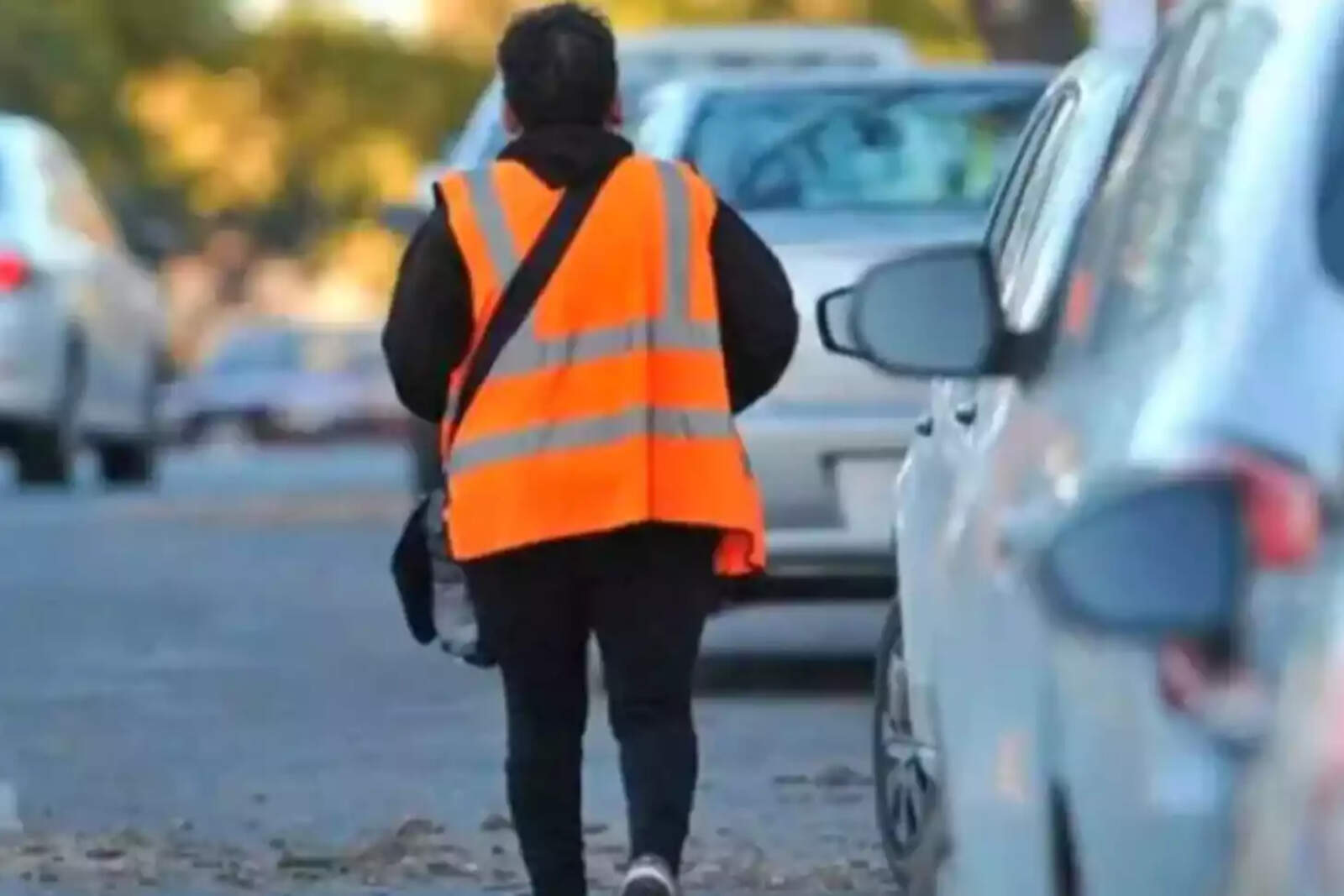
As an essential pillar of the project, the municipality established four free parking points with the presence of urban controllers, displacing the "naranjitas" from those areas to guarantee greater security.
The authorized spaces are the Municipal Sports Center, the premises at Sargento Cabral 90 and Catamarca 70, and the intersection of Hugo Wast and Av. Goycoechea.
"The goal is for going downtown to stop being a problem and to become a comfortable and safe experience," they indicated.
How VA Parking will work in Villa Allende
The system will offer between 45 minutes and one hour free of charge to allow turnover and encourage consumption.
"This isn't about collecting revenue, it's about organizing something that growth has made complicated for us now," stated the mayor.
The application, which will be active in a few weeks, will allow users to manage parking, with an estimated rate close to 900 to 1,000 pesos per hour.
In addition, the municipality will authorize free public spaces for those who need to leave their vehicle for a longer time.
"These will be points that will force people to walk two or three blocks, but at the same time it does them a favor," Cornet said.
Cornet: Naranjitas can't charge on public roads
Regarding controls and penalties, he anticipated that there will be fines, still without a defined amount, and support from inspectors for the initial adaptation.
He also confirmed the redefinition of the role of caretakers or naranjitas.
"They can't charge on public roads. We are going to give them a role linked to security in free parking areas," he stated.