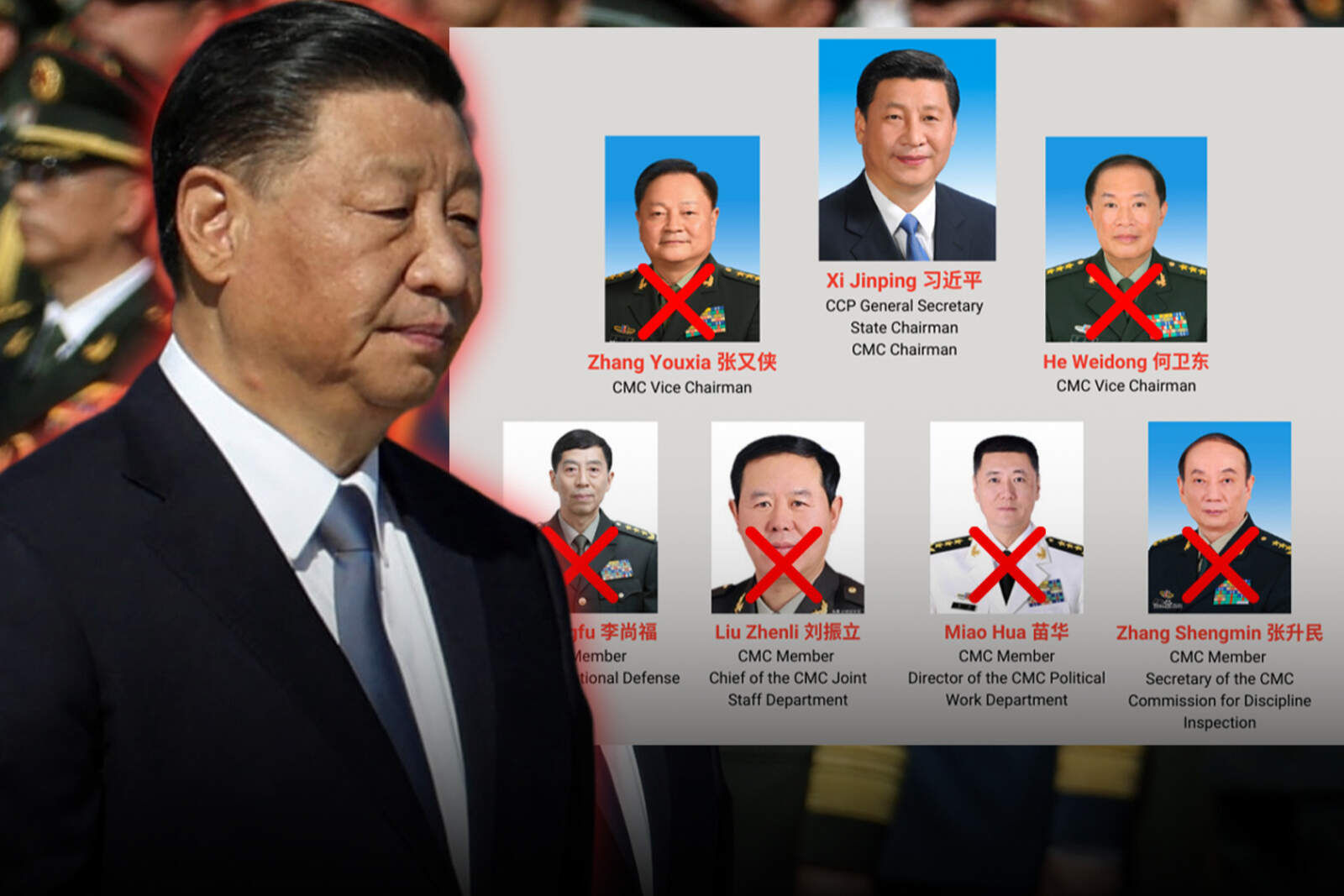









The Chinese leader has described corruption as "the greatest threat" to the Communist Party and has insisted that the fight against it remains "serious and complex." Nevertheless, critics inside and outside China maintain that these campaigns have also served to eliminate political rivals and consolidate the president's personal power.
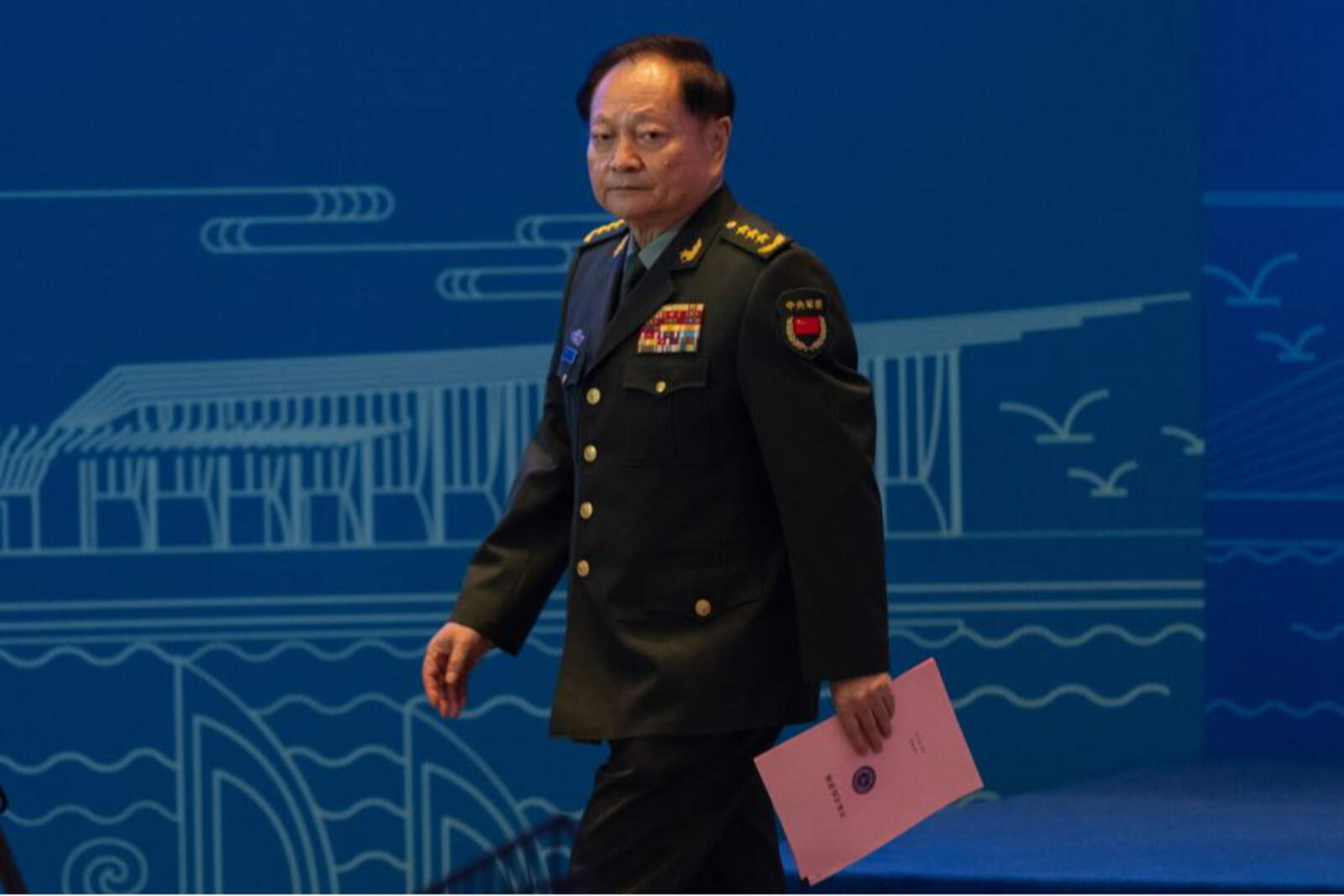
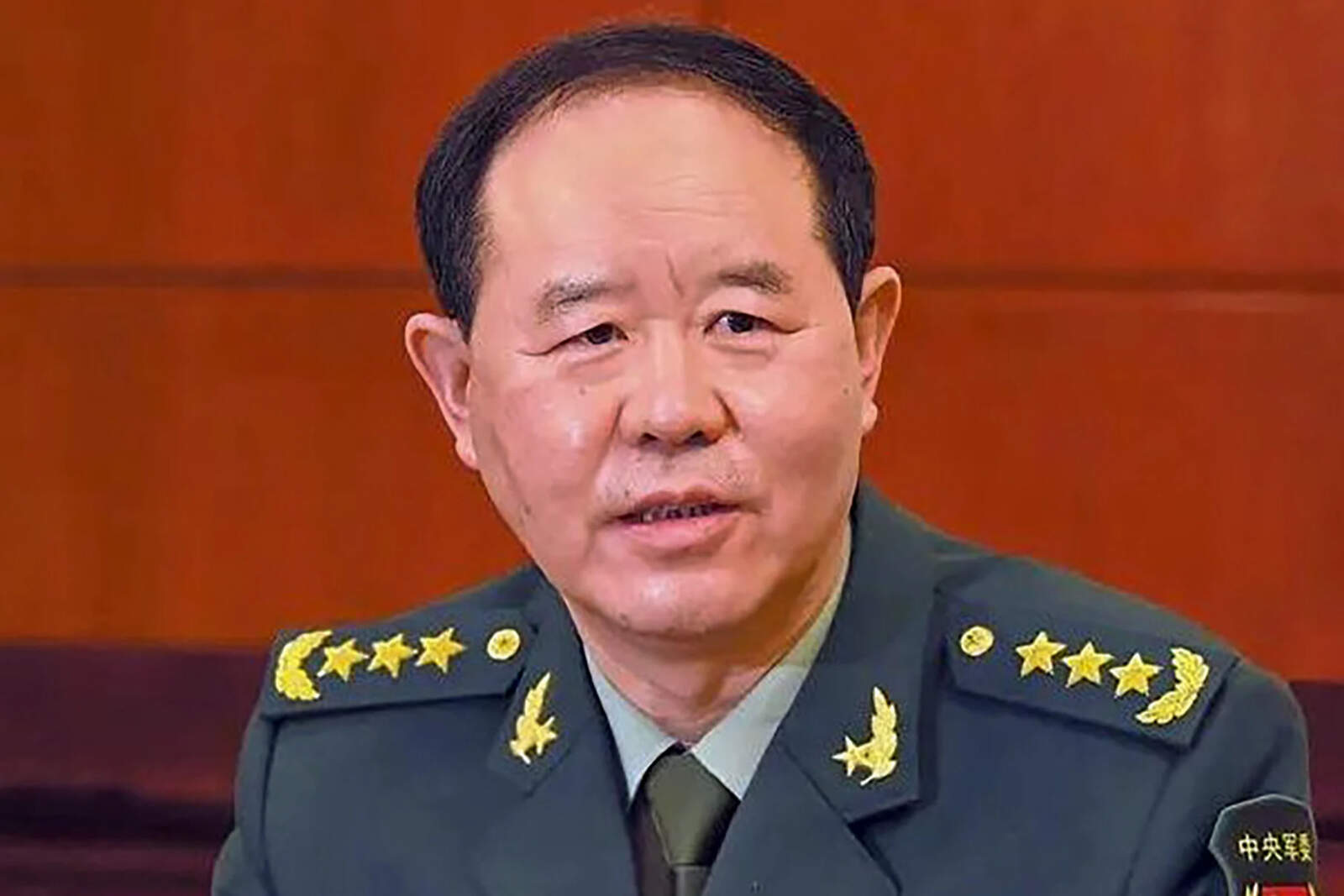
The investigation into Zhang, precisely one of the men considered most loyal to Xi, raises questions about the scope and consequences of this strategy.
Analysts warn that constant purges may weaken the internal cohesion of the Army, erode trust among senior commanders, and generate a climate of fear that affects decision-making. In a context of growing regional tensions, the loss of veteran figures could have implications for the stability and effectiveness of China's armed forces.
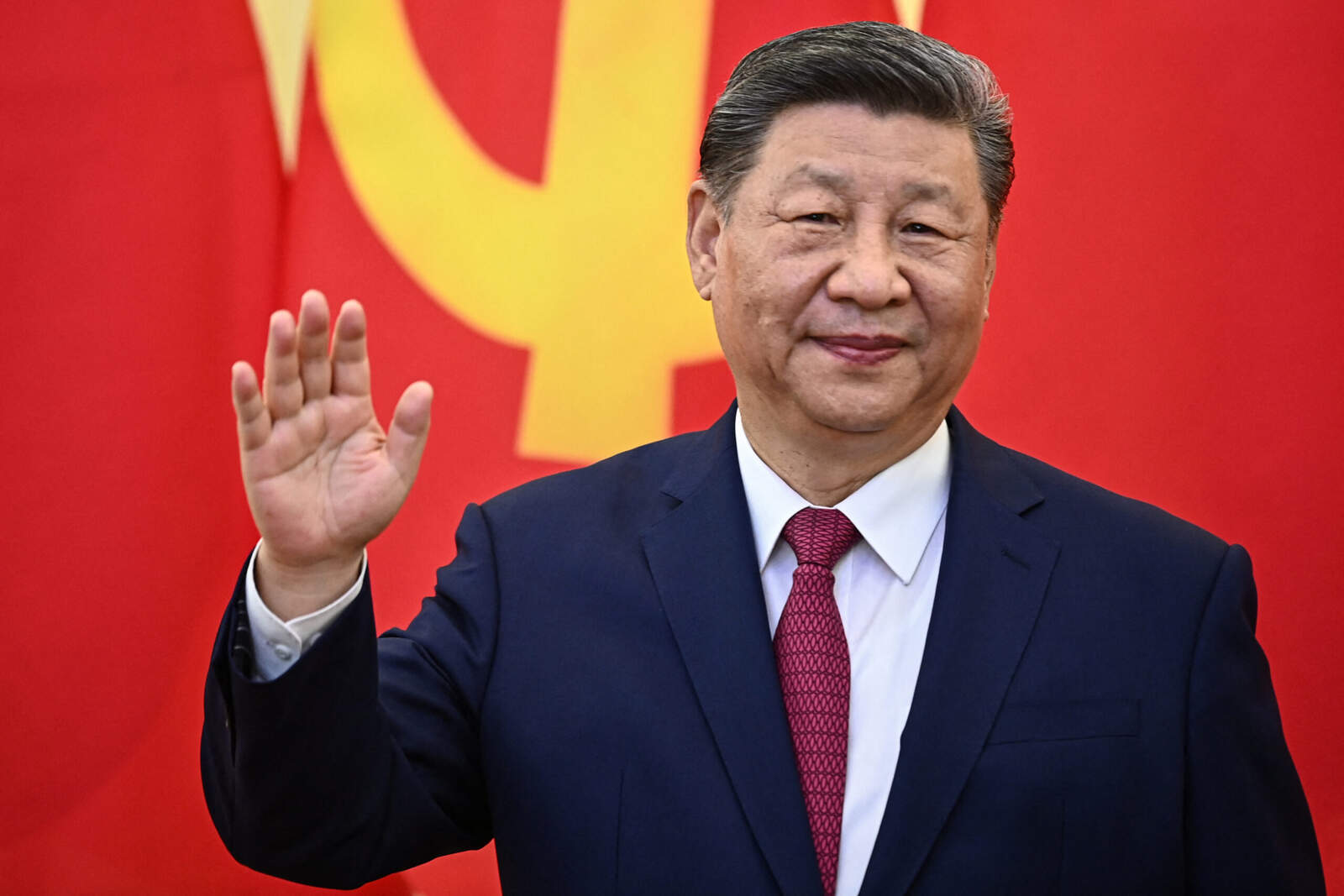
At the political level, the concentration of power around Xi Jinping also entails risks. By reducing checks and balances and surrounding himself with an ever smaller number of key figures, the communist leader directly assumes responsibility for any future crisis, whether economic, social, or military.
What the Government presents as a demonstration of control and discipline could, according to some observers, become a vulnerability factor for Xi's leadership and for the internal balance of the Chinese regime.