Argentine yerba mate consolidates its international expansion with record figures in 2025
Nuevo
Agregar La Derecha Diario en
Compartir:
The yerba mate market closed November with figures that confirm a historic milestone for the Argentine export sector. Meanwhile, domestic consumption showed a cyclical slowdown, external sales maintained a steady pace and made it possible to reach volumes never recorded before.
According to official data from the National Institute of Yerba Mate, during November 4.9 million kilos (10.8 million pounds) of yerba mate were exported. This way, the total between January and November 2024 reached 53.6 million kilos (118.2 million pounds), far exceeding the 43.8 million kilos (96.6 million pounds) exported throughout 2023.
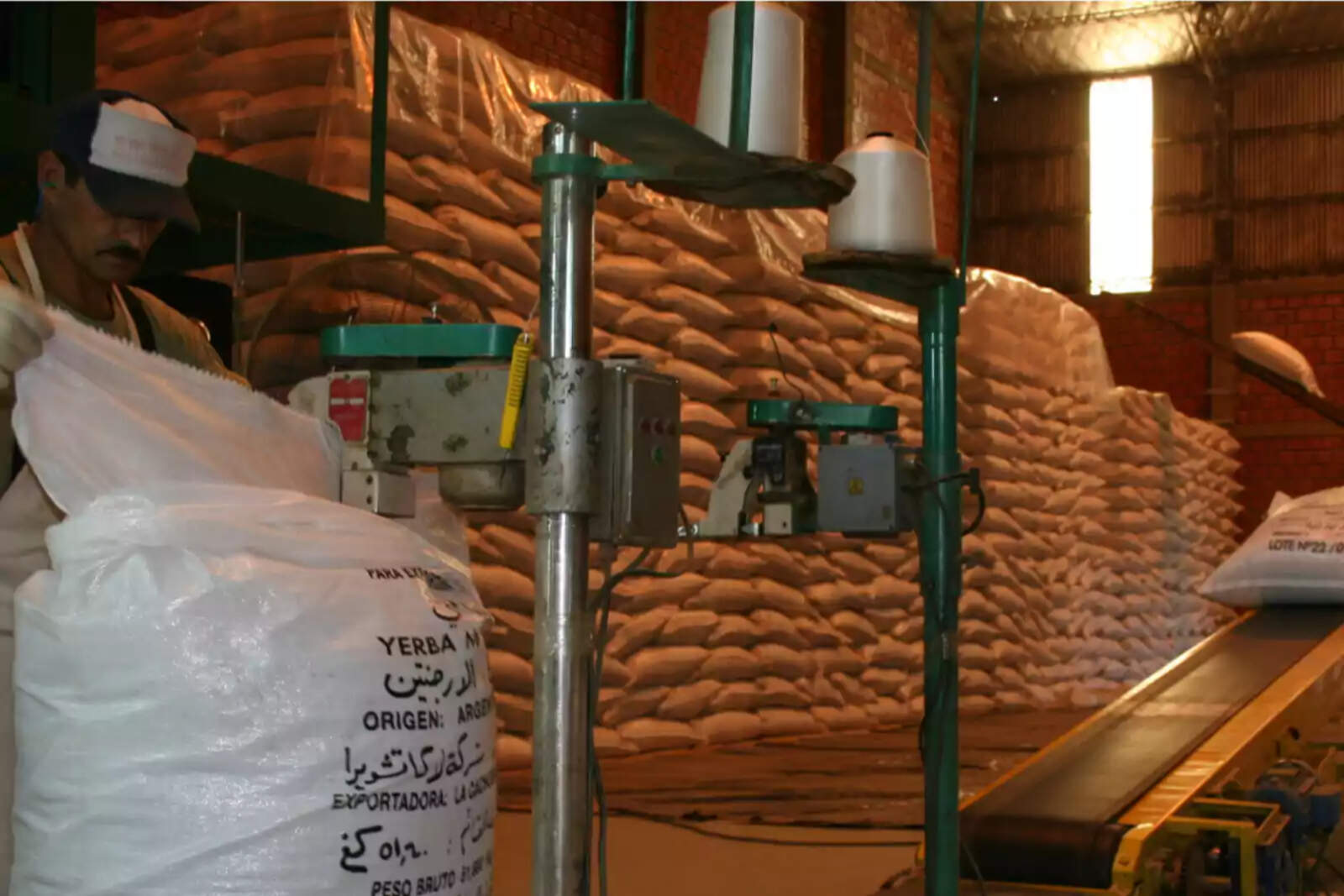
Exportadores de yerba mate.
The figure becomes even more significant when the total volume of the market is considered. Adding domestic and external demand, the sector reached 300.5 million kilos (662.7 million pounds) marketed in the first eleven months of the year, an absolute record in the history of the yerba mate industry. In year-on-year terms, the market demanded more than six million additional kilos (13.2 million pounds) compared to 2023.
On the domestic front, internal consumption showed contrasts. In November 17.8 million kilos (39.2 million pounds) were dispatched to the domestic market, which represented a monthly drop of close to 19%. However, in the annual total, domestic consumption grew by 3.7% compared to 2023, reaching almost 247 million kilos (544.5 million pounds). The specific drop in November responds more to seasonal factors and stock adjustments than to a structural deterioration in consumption.
The elimination of administered prices made it possible to make costs more transparent, restore market signals, and leave behind a scheme that, for years, discouraged investment and limited export expansion. The result is clear: more sales abroad, higher total volume, and a sector with the potential for sustained growth.
Javier Milei junto a su ministro de economía.
In parallel, the national government moved forward with the institutional normalization of INYM. The appointment of new authorities and the update of the value of the stamp that finances the agency aim to strengthen its operation, without returning to price control schemes that have already proven their failure.
The numbers confirm a clear trend: with simpler rules, market opening, and less interventionism, Argentine yerba mate is once again gaining prominence in the world and is consolidating a historic record that marks a change of course for the entire production chain.