The resources will be allocated to resolving the logistical collapse in Neuquén through roadworks for Vaca Muerta, where more than 800 trucks linked to oil activity circulate daily
The pressure on the roads is immense due to the supplies needed for hydraulic fracturing. Currently, Vaca Muerta consumes around 7 million tons of sand per year, a figure projected to rise to 9 million tons annually by 2028.
This translates into a colossal logistics operation of 300,000 truck trips per year, meaning more than 800 units daily traveling on roads that, for the most part, are still not paved due to decades of lack of investment.
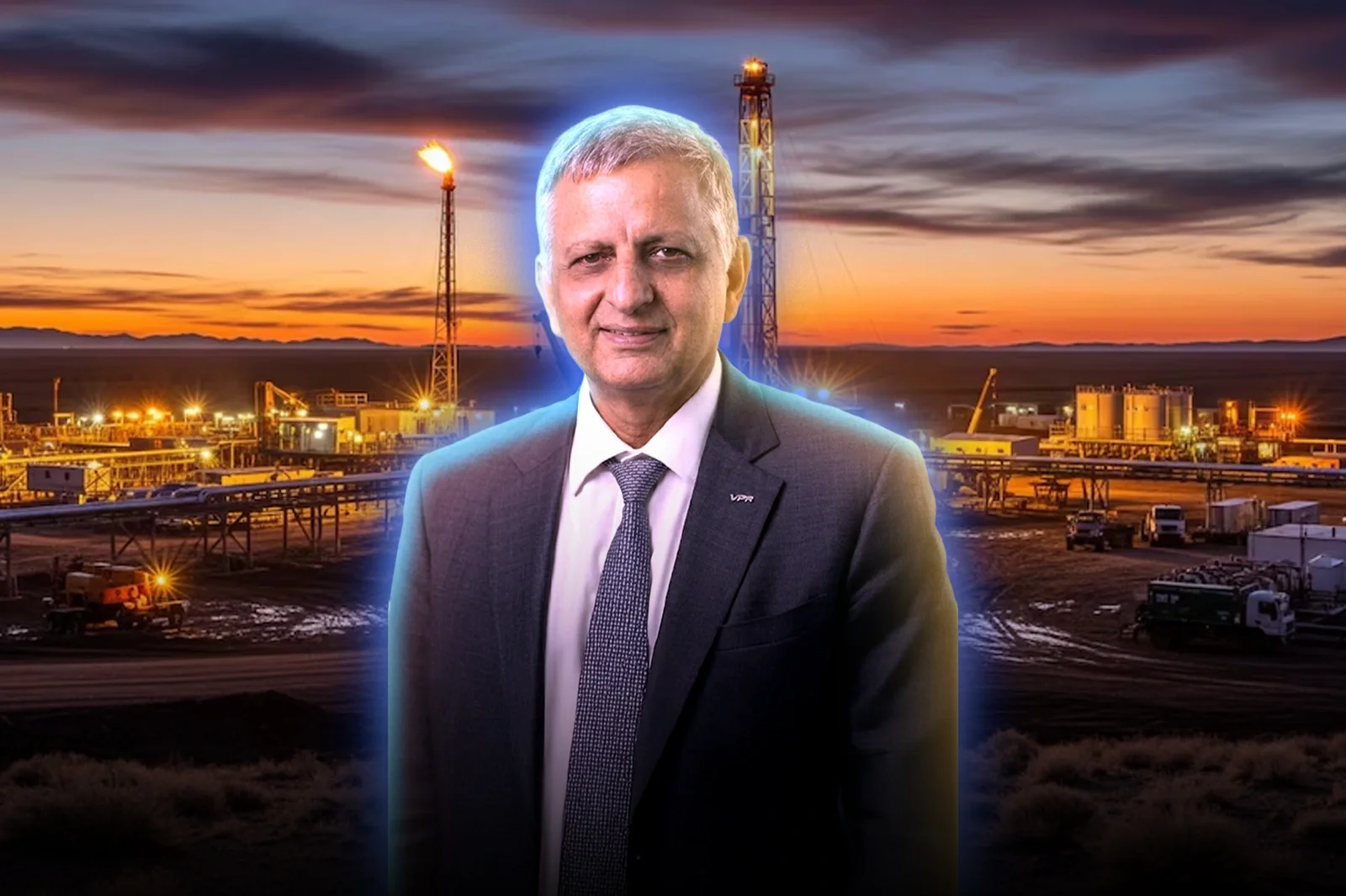
In a resounding turn that confirms the return of international confidence under the leadership of President Javier Milei, the flagship oil company YPF has achieved a financial milestone that will mark the definitive takeoff of the Neuquén basin. Under the leadership of Horacio Marín, CEO of the company, YPF signed a mandate letter with James Scriven, head of BID Invest (the private arm of the Inter-American Development Bank), to structure financing of up to USD 500 million.
These funds, elusive during the Kirchnerist administration, will be exclusively allocated to address the logistical bottleneck in the province of Neuquén, where past state neglect has left a collapsed road network incapable of supporting the productive boom of shale.
BID Invest
This investment is part of the ambitious 4x4 Plan, designed by Marín with a clear and compelling goal: to quadruple the value of YPF in four years and position Argentina as a world-scale exporter of unconventional hydrocarbons by 2030.
The development of Vaca Muerta is currently facing the consequences of years of lack of planning. The surge in activity has caused a collapse in the road infrastructure of Neuquén and Río Negro, resulting in accidents, hours lost due to congestion, and critical delays in supply to Añelo, the heart of Argentine shale.
Given the historical incapacity of the public sector, the current government is promoting public-private financing mechanisms. The seriousness of this management has allowed for:
A consortium of 10 operating companies to already form a trust to pave a 60-kilometer bypass in Añelo.
Implementation of toll schemes or compensations on hydrocarbon royalties so that companies can recover the capital advanced.
Javier Milei and Horacio Marín
The signing of this agreement with BID Invest is not an isolated event, but part of a wave of investments seeking to capitalize on the new business climate in the country:
World-class banks such as Citigroup, Banco Santander, and JP Morgan are working on a package of USD 1 billion for projects by Transportadora de Gas del Sur (TGS).
YPF is advancing in the megaproject Argentina LNG, with commitments estimated around USD 14 billion, which Horacio Marín defined as the "most important project finance in the energy industry in Latin America".
As a crowning achievement of this management success, James Scriven is expected to visit Vaca Muerta soon to witness firsthand the potential of an Argentina that, with the help of freedom and private capital, is back on the path to progress