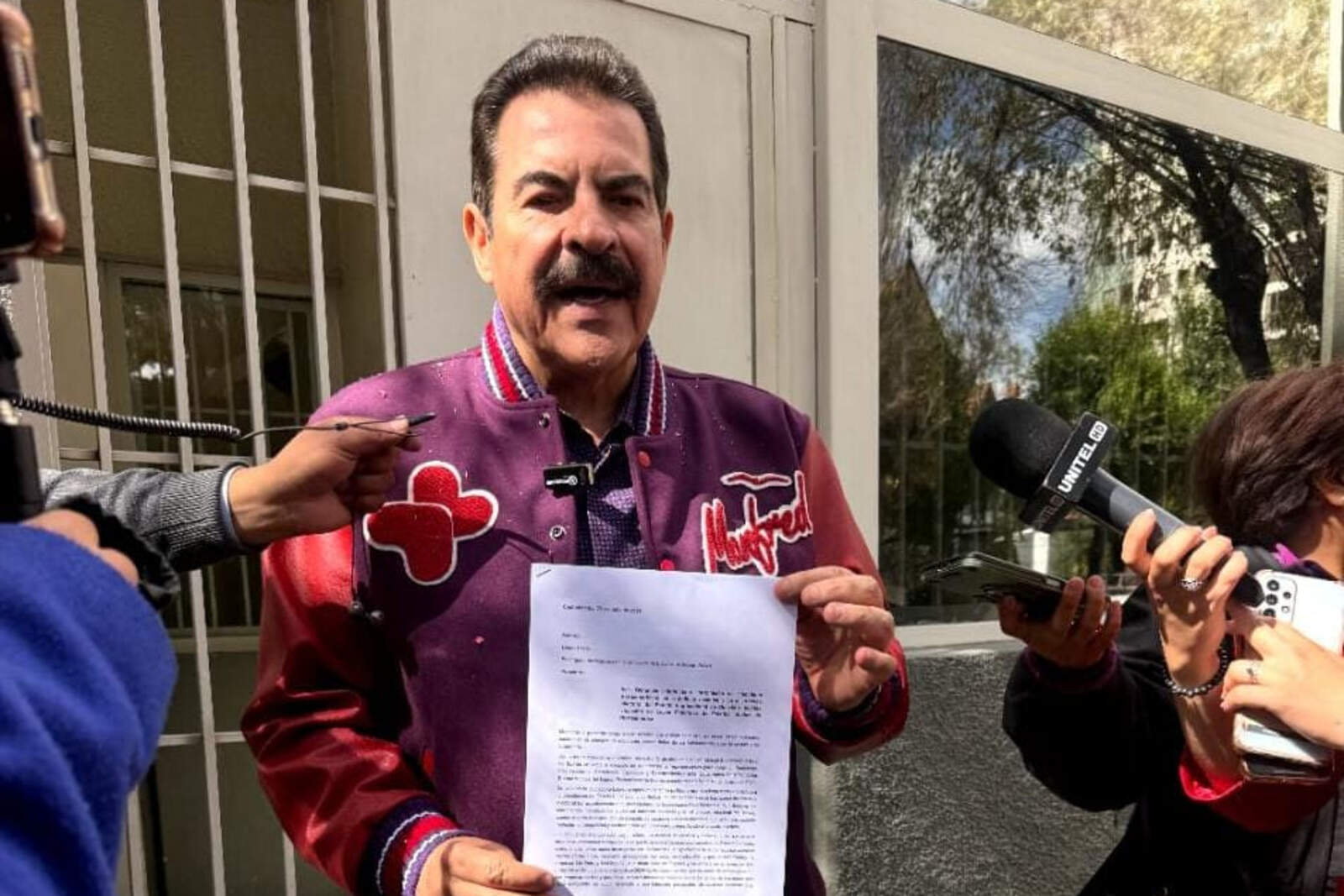
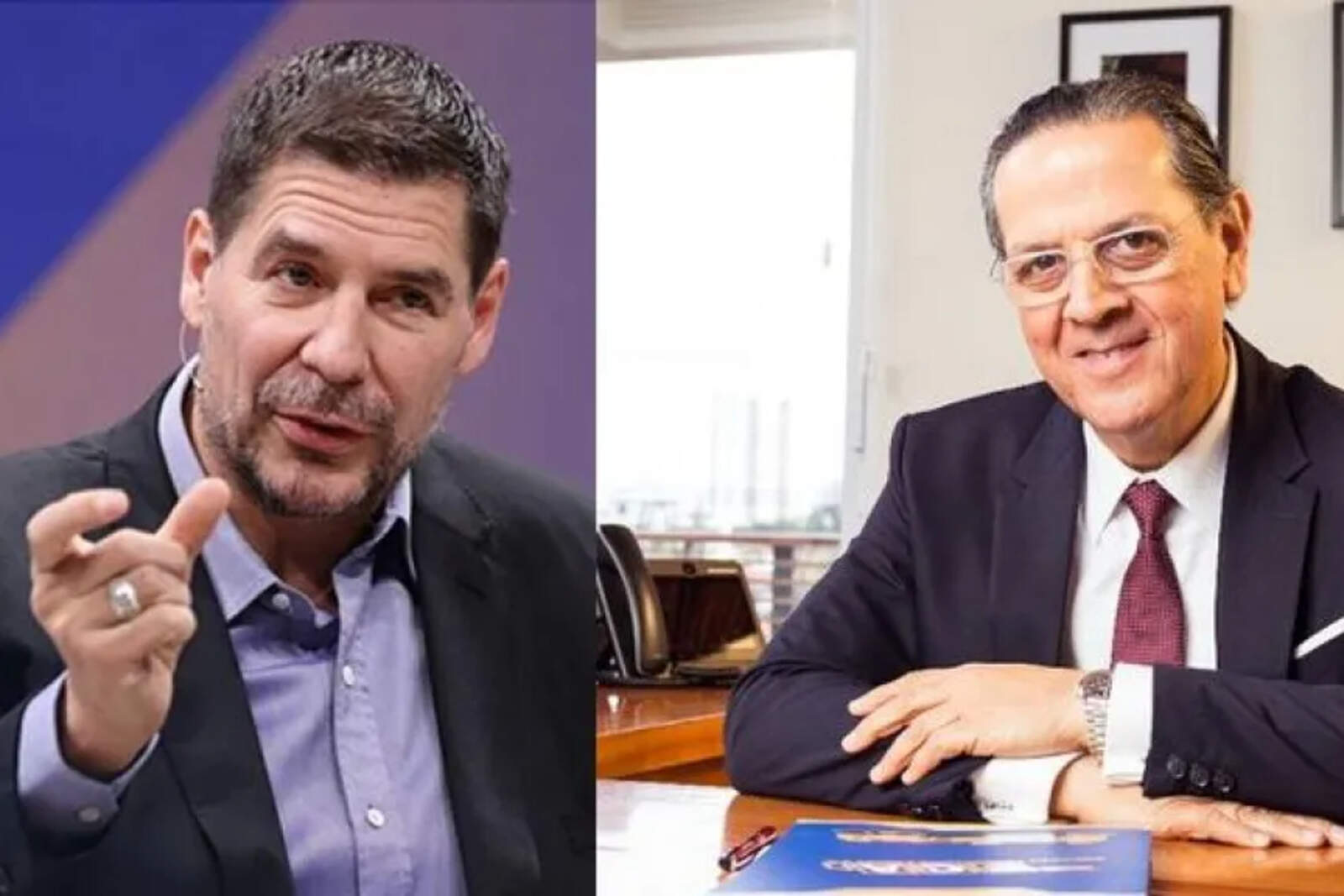
The tension between Manfred Reyes Villa and Marcelo Claure reached a new level. The exchange of accusations intensified this Wednesday on the social network X.
Reyes Villa published a message in which he told Claure that "the homeland is not for sale". The businessman replied with insults and counteraccusations. He stated that the Cochabamba mayor asked him for money for his campaign.
Claure called the former military officer a "poor guy" and added that "he is worth nothing". He said that Reyes Villa contacted him constantly to ask for funding. He asserted that the candidate will not even reach 10% of the votes.
Additionally, the businessman considered that the people of Cochabamba are already realizing his true nature. He ended his message by wishing his followers a good day.
The conflict began with a formal complaint. Reyes Villa submitted a letter to the United States Embassy in La Paz. He accused Claure of having proposed a political pact to him.
According to the document, he was offered a diplomatic post in exchange for withdrawing his candidacy. The central issue of the alleged agreement was Bolivian lithium.
Reyes Villa keeps that he was contacted by Claure on July 17. He claims that the call included a concrete offer. In exchange for withdrawing his presidential bid, he had to support Samuel Doria Medina.
The APB-Súmate candidate claims that he was also promised a partnership in businesses related to lithium. For him, that constitutes foreign interference.
In his letter to U.S. diplomacy, Reyes Villa cites U.S. laws. He points out that Claure, as a citizen of that country, can't interfere without authorization.
He describes the embassy offer as "usurpation of functions." He also warns about a possible "transnational bribe". He requests that the case be brought to the Department of Justice.
Criticism and support
López respaldó la postura de Reyes Villa
From Tarija, councilman Daniel López supported Reyes Villa. He said that there is a smear campaign against Súmate. In his opinion, Claure seeks to hide private interests regarding lithium.
Likewise, López questioned the attempt to secretly negotiate strategic resources. He demanded that the management of lithium be transparent and go through the Assembly.
López insisted that the slogan "the homeland is not for sale" is not just a phrase. According to him, it reflects Súmate's attitude in the face of foreign threats.
He asserts that defending national interests is the core of his campaign. He considers that Claure acts out of motivations unrelated to Bolivia. He believes that this should alert voters.
Meanwhile, deputy Alejandro Reyes defended Claure. He stated that everything is part of a smear campaign. He believes that the aim is to weaken Samuel Doria Medina.
Reyes considers that the businessman's support is legitimate. He said that these accusations only divert the political debate.
For Reyes, the support of businesspeople can be useful in a campaign. He maintained that there is nothing illegal about it. He insisted that Claure has been transparent in his support.
Additionally, he criticized the dominance of personal attacks in the electoral discourse. He rejected any attempt to silence his party's allies.
Complaints and attacks in the final stretch of the campaign
Claure aseguró que Reyes Villa le pidió dinero para su campaña
Reyes Villa's complaint has not yet received an official response. The United States Embassy has not commented on the matter. There has also been no communication from the Department of Justice.
The case remains in the media and political sphere. It has caused a new rift among opposition candidates.
Meanwhile, the businessman keeps his defiant stance. He posts ironic messages and responds harshly to his critics.
Some analysts see in this dispute a struggle for prominence. Others warn that the issue of lithium is being used for electoral purposes. What is certain is that the scandal shows no signs of stopping.
This confrontation highlights the fragility of the pre-electoral debate. The cross-accusations, far from clarifying, generate more doubts.
Lithium, as a strategic resource, should be treated seriously. However, it is being politicized by both sides. The public watches with uncertainty.
Bolivia is heading toward an election marked by distrust. The participation of private actors increases the controversy.
Reyes Villa seeks to position himself as a defender of sovereignty. Claure, on the other hand, seeks to consolidate his influence in politics. Both accuse each other of betraying the country.
The episode also reflects a larger problem. The lack of strong institutions allows these conflicts to escalate.
Without a strong electoral authority, any accusation gains ground. The democratic process is weakened. Clarity, transparency, and clearly defined boundaries between politics and business are urgently needed.