The Trump administration continues its battle to strengthen immigration control, despite the ruling that temporarily blocks its initiative on birthright citizenship
Boardman had initially decided not to block the new order signed on August 6. The judge, however, allowed immigrant groups to amend their lawsuit to present additional arguments before requesting a preliminary injunction again.
After considering the revised lawsuit, Boardman determined that it was appropriate to temporarily block the enforcement of the directive and described the presidential initiative as an ''unprecedented'' order. The decision represents a setback for the Trump administration, although it does not end its attempt to modify the rules regarding birthright citizenship.
A federal judge nominated by Joe Bidenblocked the enforcement of the executive order from President Donald Trump that seeks to restrict automatic citizenship by birthright, in a new legal confrontation over one of the administration's main initiatives to tighten immigration policies in the United States.
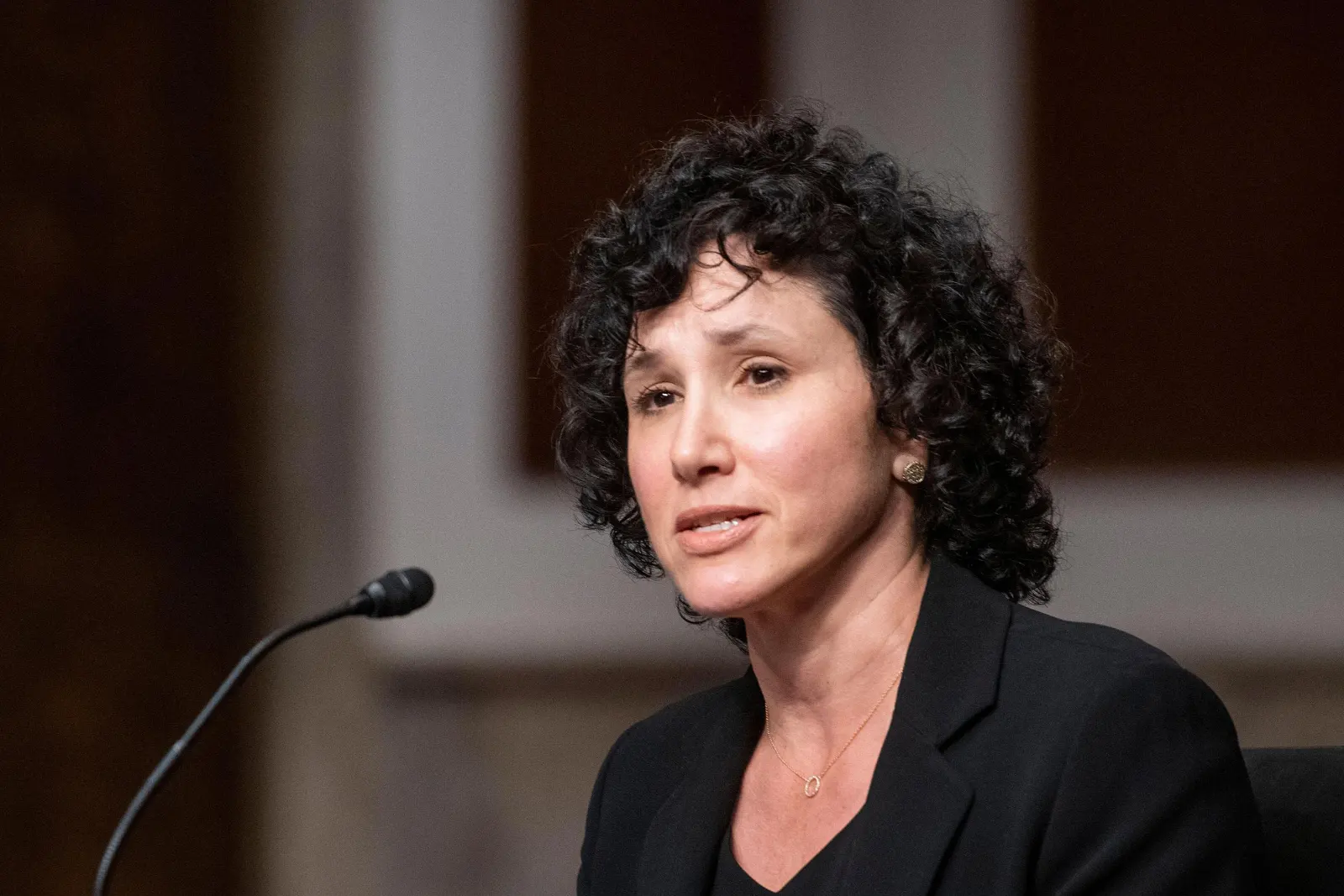
The decision was issued by Democratic federal district judge Deborah Boardman, in Greenbelt, Maryland, who granted a preliminary injunction requested by organizations advocating for illegal immigrants. The ruling temporarily prevents the government from enforcing the directive while the legal process regarding its scope and constitutionality continues.
Trump signed the decree on August 6 as part of his strategy to modify the U.S. immigration system and limit what the administration considers an abusive use of birthright citizenship. The White House has argued that for decades the mechanism has contributed to encouraging irregular immigration and has defended the need to review the interpretation of constitutional rules related to citizenship.
A Democratic judge blocked Donald Trump's decree to restrict birthright citizenship
The Republican administration maintains that the federal government needs greater tools to determine who can automatically obtain U.S. citizenship at birth. From this perspective, the measure is part of an ambitious agenda aimed at strengthening border control, reducing incentives for illegal immigration, and enforcing immigration laws more strictly.
The new ruling comes approximately two months after the Supreme Court rejected the Trump administration's first attempt to implement similar restrictions. However, that decision was primarily related to the scope of the injunctions issued by lower courts and did not definitively resolve all legal arguments regarding the constitutionality of the presidential policy.
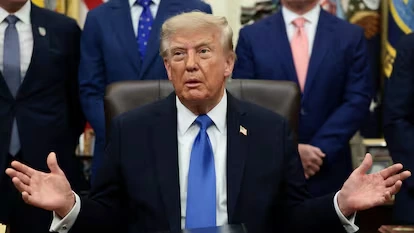
Donald Trump signed the decree to put a limit on the abusive dealings of the immigration system by illegal immigrants
The federal government can still continue to defend the order in higher courts and eventually seek to bring the dispute back to the Supreme Court. The administration has shown a willingness to maintain its immigration strategy despite legal obstacles, arguing that the president has the authority to push for significant changes in the enforcement of immigration laws.
The case could thus become a new test for Trump's immigration agenda. While organizations advocating for illegal immigrants seek to maintain existing protections, the administration aims to advance a more restrictive interpretation of citizenship and strengthen its policies to combat irregular immigration.
The legal battle will likely continue over the coming months, leaving open the possibility that higher courts will have to rule again on the limits of presidential authority and the scope of birthright citizenship in the United States.
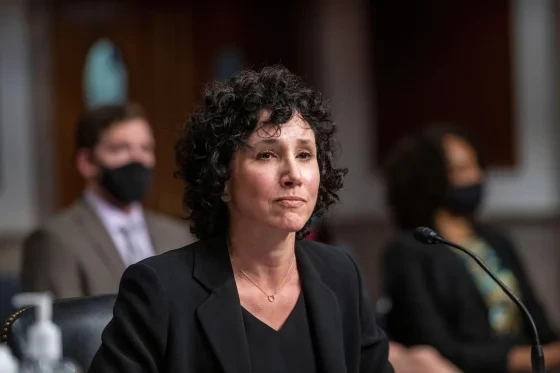
The judge, nominated by Joe Biden, allowed a group advocating for illegal immigrants to modify a lawsuit against the Trump administration