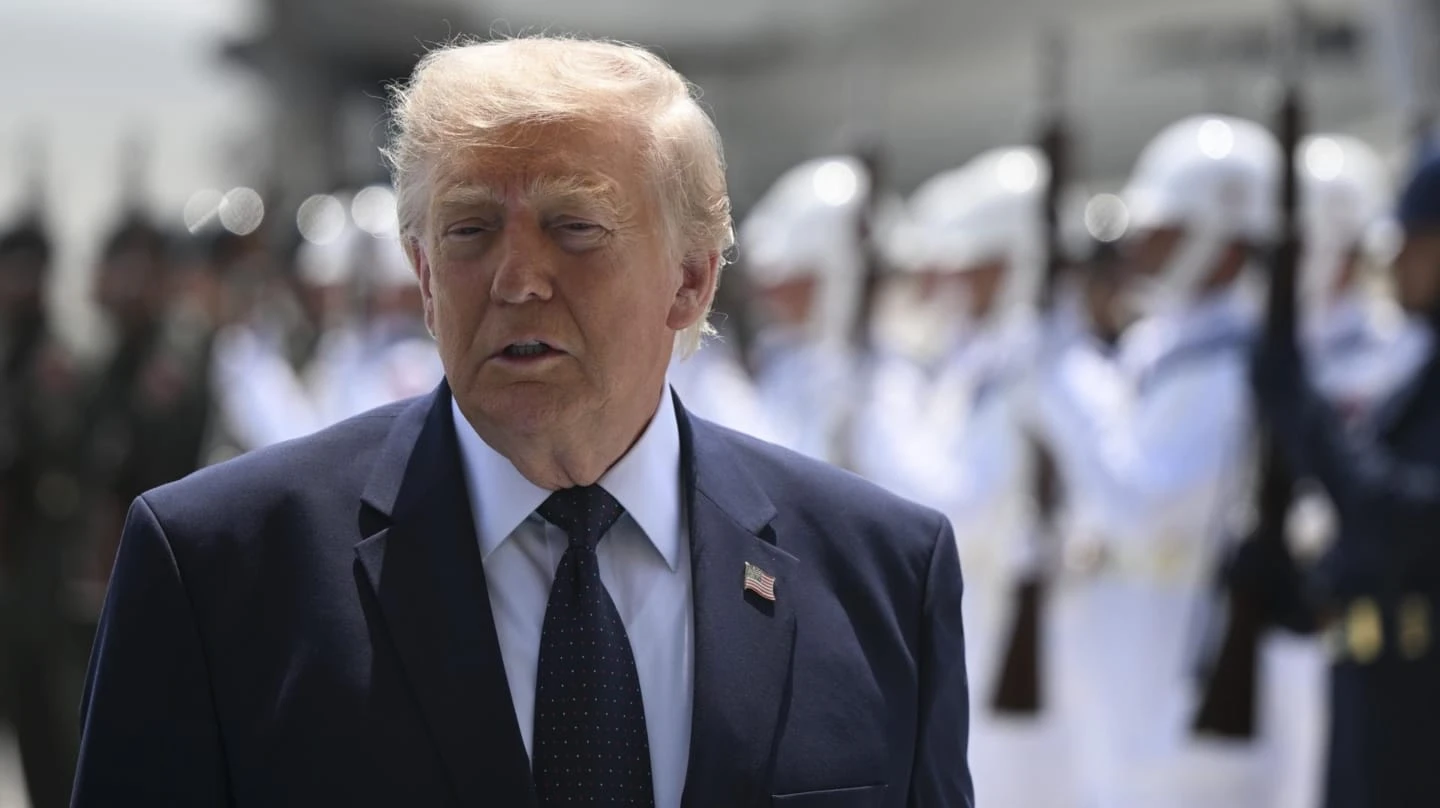
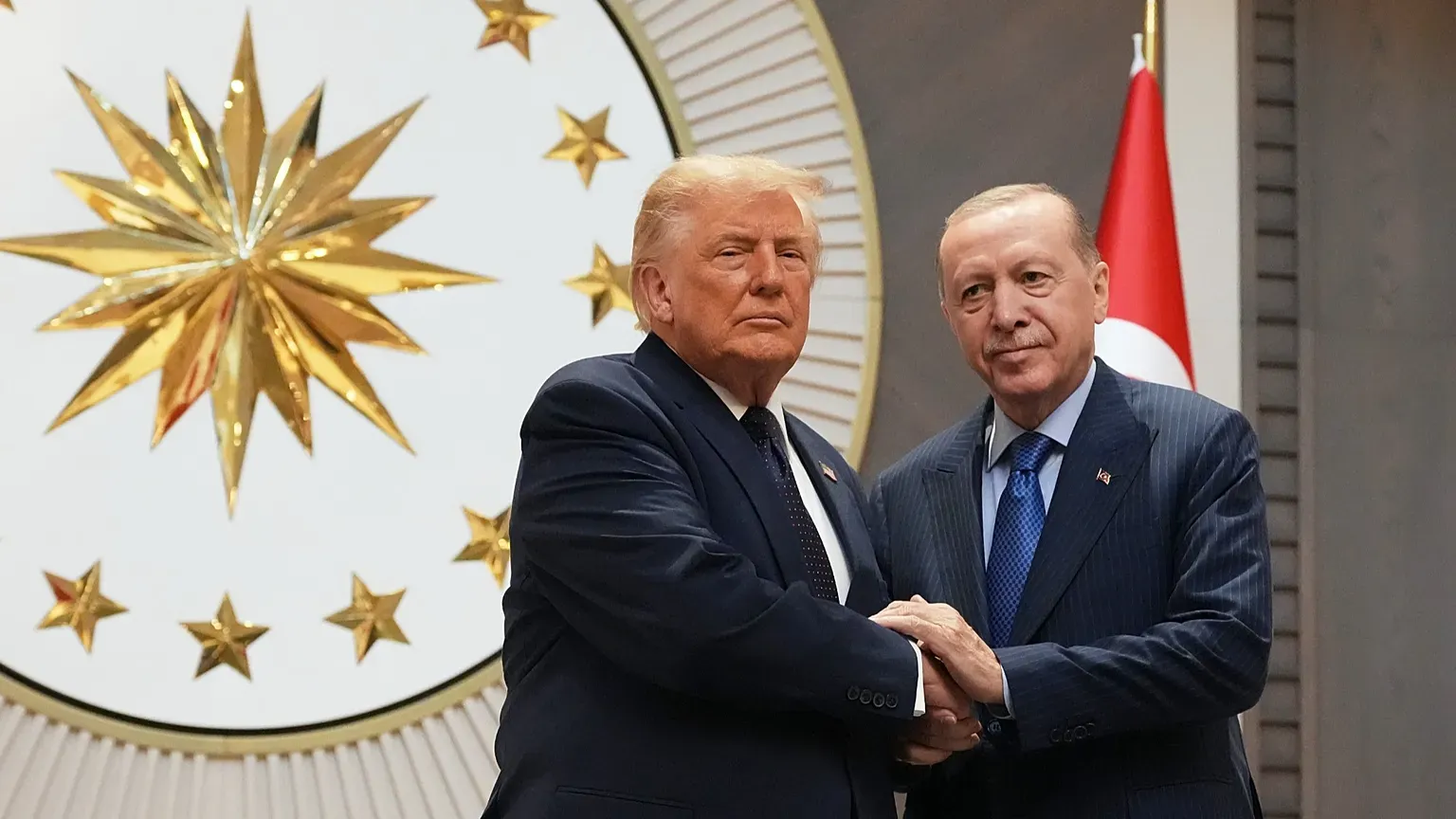
The President of the United States, Donald Trump, once again defended the idea that Greenlandshould come under U.S. control and reiterated that European allies must take on a greater share of their own defense burden, upon arriving at the NATO leaders' summit held on July 7 in Ankara, Turkey.
During a bilateral meeting with Turkish President Recep Tayyip Erdogan, Trump stated that the vast Arctic island represents a top-level strategic asset for U.S. national security and questioned the role Denmark plays in its administration.
The President insisted that Greenland has increasing geopolitical value due to the rising military and commercial activity of Russia and China in the Arctic, a region that has become a stage for growing competition among major powers.
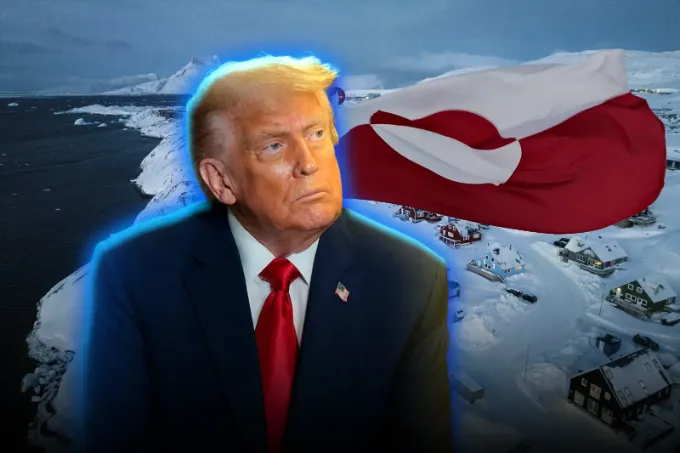
''Greenland should be controlled by the United States, not by Denmark,'' Trump asserted, reiterating a stance that he has defended since his previous term and which gained renewed strength after his return to the White House.
The U.S. president reiterated his claim over the sovereignty of Greenland and highlighted its strategic positioning in the Arctic
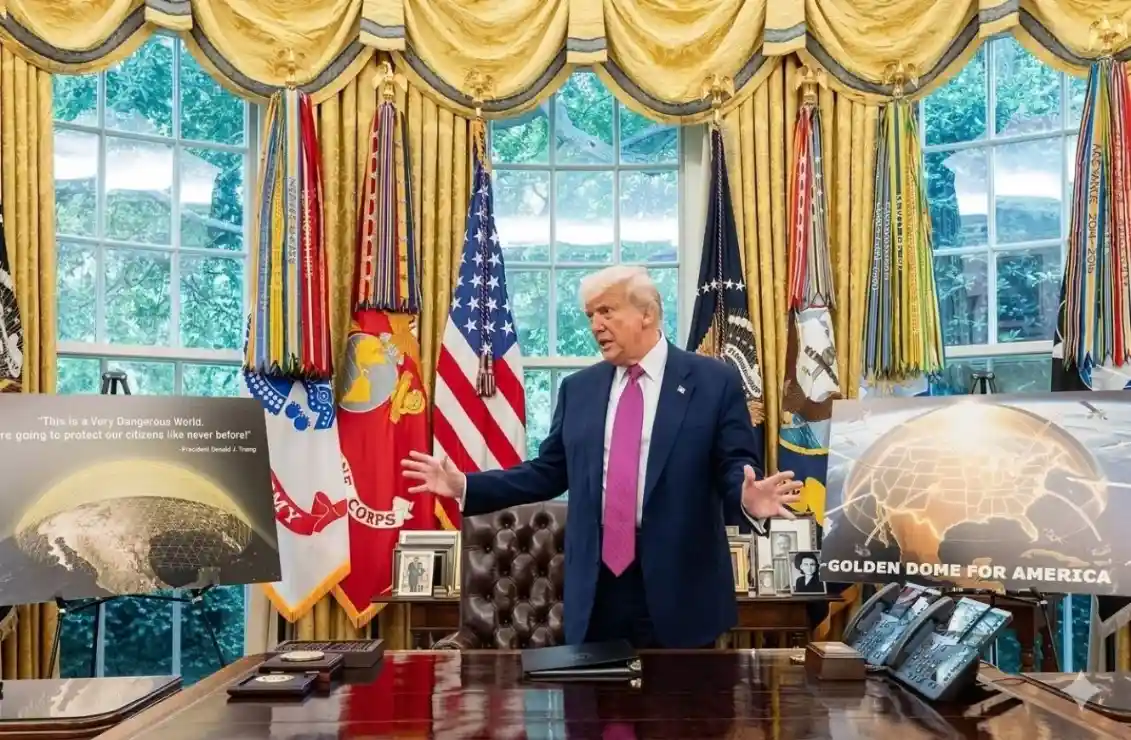
The President argued that the island not only has enormous strategic value due to its location but also would play a fundamental role in strengthening the missile defense system known as ''Golden Dome'', one of the most ambitious security projects promoted by his administration.
According to Trump, Greenland would allow for the deployment of new early warning systems and surveillance capable of detecting missile launches over the Arctic Circle, significantly improving the defensive capacity of the United States against potential threats from rival powers.
Washington currently maintains the Pituffik Space Base, formerly known as Thule Air Base, a military facility located on the northwest coast of Greenland that serves as one of the main observation and defense points for the United States in the Arctic.
Although in previous decades there were several additional bases on the island, many were closed after the end of the Cold War. For the Trump administration, regaining a broader presence in the region would allow for a response to the accelerated strategic advance of Russia and China in northern maritime routes.
Trump highlighted the importance of the island regarding the development of the ambitious "Golden Dome" project
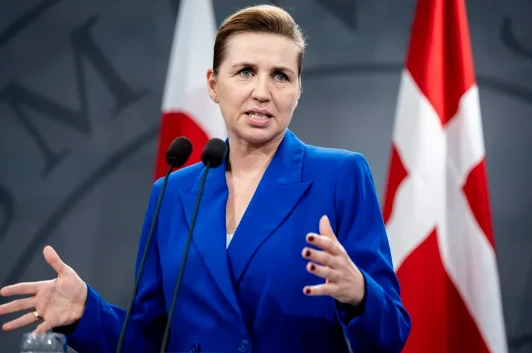
The insistence of the U.S. President has generated criticism from Denmark and some NATO partners. Danish Prime Minister Mette Frederiksen reiterated that she expects all allies to respect her country's territorial sovereignty and asserted that Greenland is not for sale. According to the leader, the U.S. stance has been known for some time, but she insisted that the future of the territory will not change due to diplomatic pressure from Washington.
In the same vein, Greenland's Minister of Foreign Affairs, Múte Egede, expressed that the future of the island must be decided exclusively by its inhabitants through dialogue and respect among the parties. Through a message shared on social media, he stated that it is up to the Greenlandic people to determine their own political destiny.
Despite these objections, Trump refocused on the strategic interests of the United States and the need to anticipate the challenges posed by global competition with Moscow and Beijing. From his administration's perspective, the Arctic has ceased to be a peripheral region to become a key space for security, international trade, and military balance in the 21st century.
The social democrat Mette Frederiksen assured that Greenland is not for sale, while also stating that the island's future will not be subject to pressures from Washington
The President also took the opportunity to once again question the distribution of responsibilities within NATO. Trump pointed out that the United States continues to allocate enormous financial and military resources to the defense of the European continent while many of its allies remain overly dependent on Washington.
In this context, he suggested that the United States could reconsider the deployment of troops in Europe if member countries of the alliance do not steadily increase their defense investment. He stated that the European geopolitical landscape has changed profoundly over the past decades and that governments on the continent have greater economic capabilities to take a more active role in their own security.
This stance is part of a policy that Trump has defended for years, seeking that allies fully meet their budgetary commitments within NATO, reducing the burden that has historically fallen on U.S. taxpayers.
After his meeting with Erdogan, the U.S. leader reiterated his call for NATO allies to take greater responsibility for their military and financial commitments to the alliance
In line with this strategy, U.S. Secretary of War Pete Hegseth announced last month that the Pentagon will review whether the 32 alliance members meet the agreed-upon military spending levels. He also confirmed that the Department of War will evaluate the distribution of U.S. forces and the location of its military bases in Europe, an analysis that could influence the future level of Washington's support for the organization.
With these statements, Trump made it clear once again that his foreign policy will continue to be guided by the defense of U.S. strategic interests, the strengthening of national security, and the demand that allies share collective defense responsibilities more equitably.