
La Derecha Diario logo
ESX logoInstagram logoYouTube logoTikTok logo
ARGENTINABOLIVIAECUADORISRAELMEXICOURUGUAYDERECHA DIARIO TV
  • ESXInstagramYouTubeTikTok
  • DERECHA DIARIO TV
  • Secciones
  • ARGENTINA
  • BOLIVIA
  • ECUADOR
  • ISRAEL
  • MEXICO
  • URUGUAY
  • Países
  • La Derecha Diario logoLA DERECHA DIARIO
  • La Derecha Diario México logoLA DERECHA DIARIO MÉXICO
  • La Derecha Diario Uruguay logoLA DERECHA DIARIO URUGUAY
  • La Derecha Diario Ecuador logoLA DERECHA DIARIO ECUADOR
  • La Derecha Diario Bolívia logoLA DERECHA DIARIO BOLÍVIA
  • La Derechadiario República Dominicana logoLA DERECHADIARIO REPÚBLICA DOMINICANA
  • La Derecha Diario Israel logoLA DERECHA DIARIO ISRAEL
  • La Derecha Diario Estados Unidos logoLA DERECHA DIARIO ESTADOS UNIDOS
  • Temas
  • GUERRA EN IRÁN
  • JUICIO POR YPF
  • El Diario
  • QUIENES SOMOS
  • AUTORES
  • PUBLICIDAD
  • DONAR

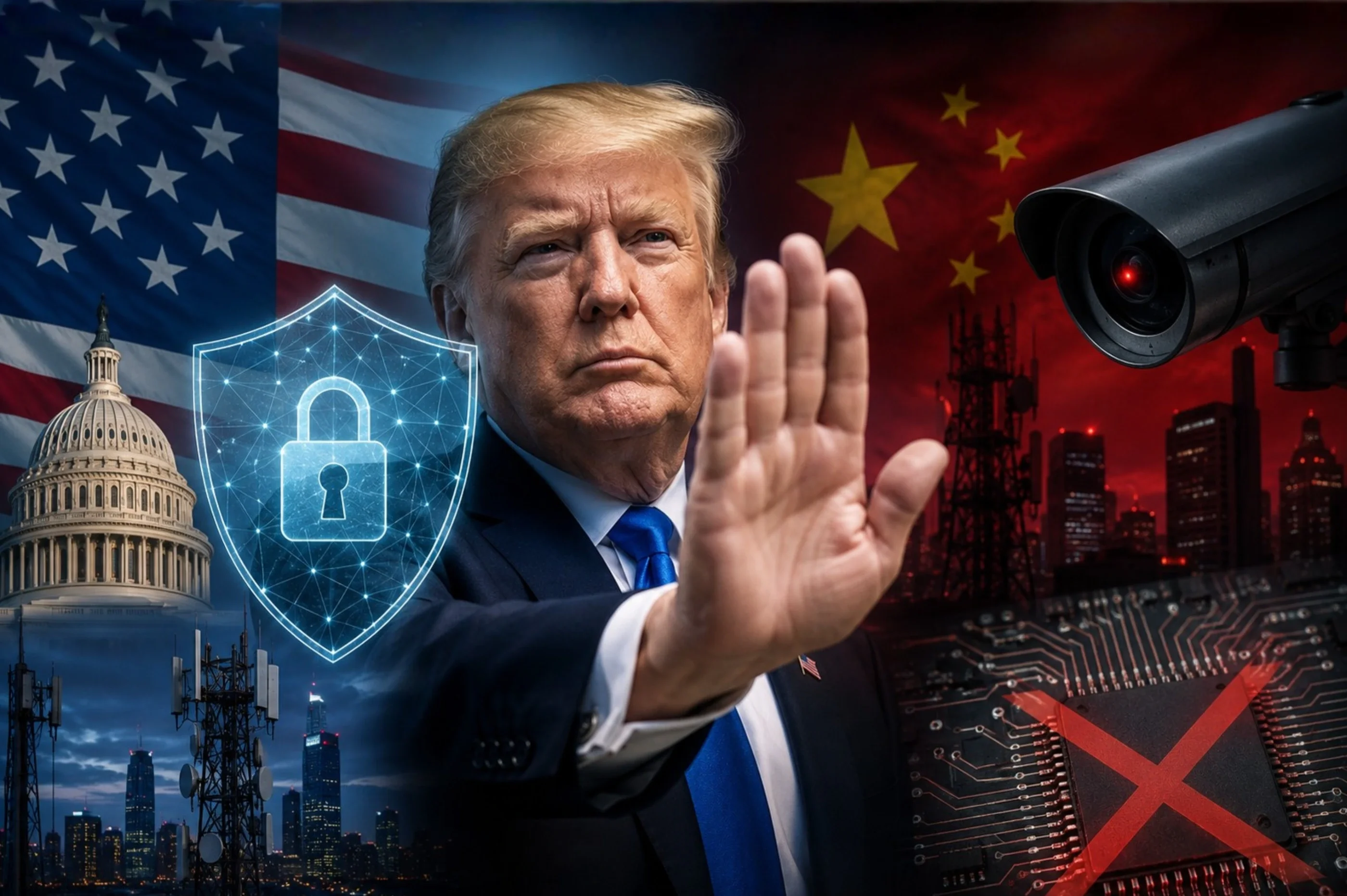
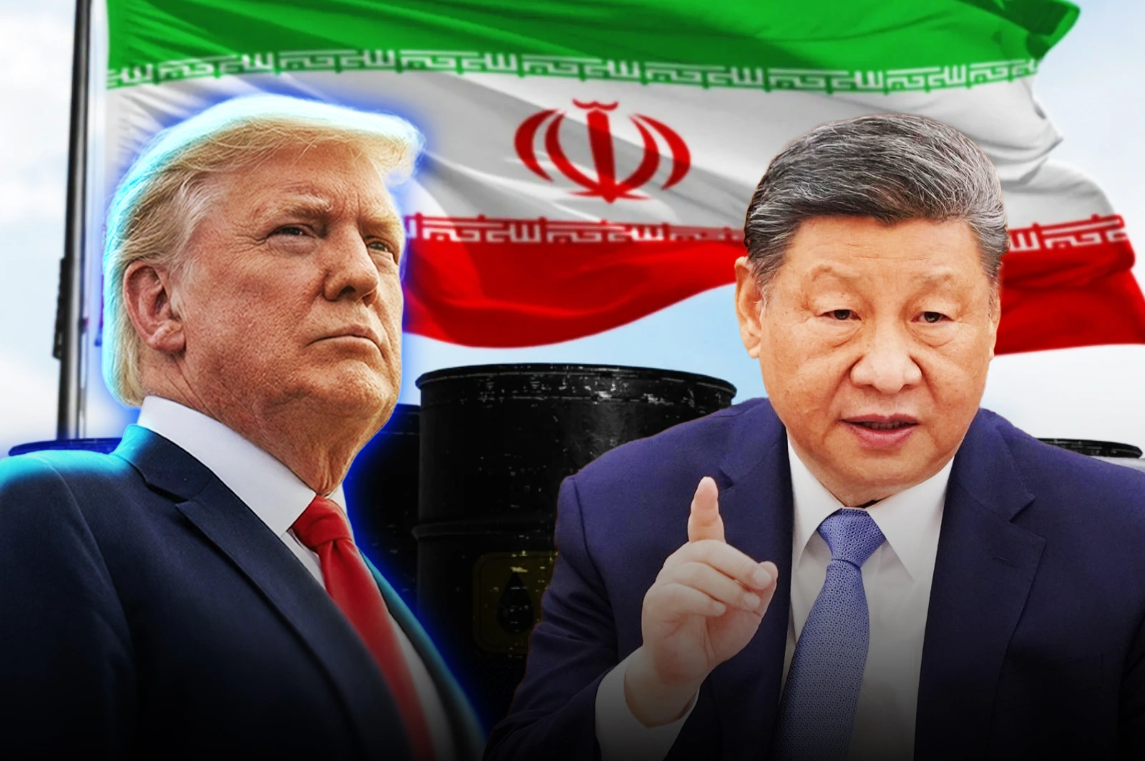
The Donald Trump administration urged the Xi Jinping regime to stop buying Iranian oil

The Donald Trump administration urged the Xi Jinping regime to stop buying Iranian oil
Imagen de Editorial Team
porEditorial Team
Estados Unidos

The US pressures China over its purchases of Iranian oil and demands more cooperation to reopen the Strait of Hormuz in the midst of global energy tension.

Compartir:

The

United States has intensified its diplomatic and economic pressure on China in connection with the crisis in the Strait of Hormuz, calling on Beijing to use its influence over Iran to help reopen the sea route. Washington maintains that China's purchases of Iranian oil are financially supporting the Iranian regime in the midst of the conflict that has affected global energy traffic

.

The position was expressed by US Secretary of the Treasury Scott Bessent, who stated that China is the main buyer of Iranian oil and that, in practice, this commercial relationship is equivalent to financing the largest global sponsor of terrorism. Bessent noted that approximately 90% of Iran's energy exports are destined for the Chinese market, which, according to Washington, allows Tehran to maintain its economic capacity

in the midst of the conflict.

These statements reinforce the position of President Donald Trump, who has defended a strategy of combined pressure on Iran and its trading partners, together with limited military measures to protect maritime routes. Since the US administration, the reopening of the Strait of Hormuz and the normalization of the transit of merchant ships are considered priority objectives for the stability of the

global energy market.

The message from Washington comes a few days before the scheduled meeting between Trump and Chinese President Xi Jinping in Beijing, where the Iranian crisis, economic sanctions and energy security are expected to be at the center of the agenda. The White House seeks China to take a more active role in pressuring Iran and helping to reduce tensions in the Gulf region

.
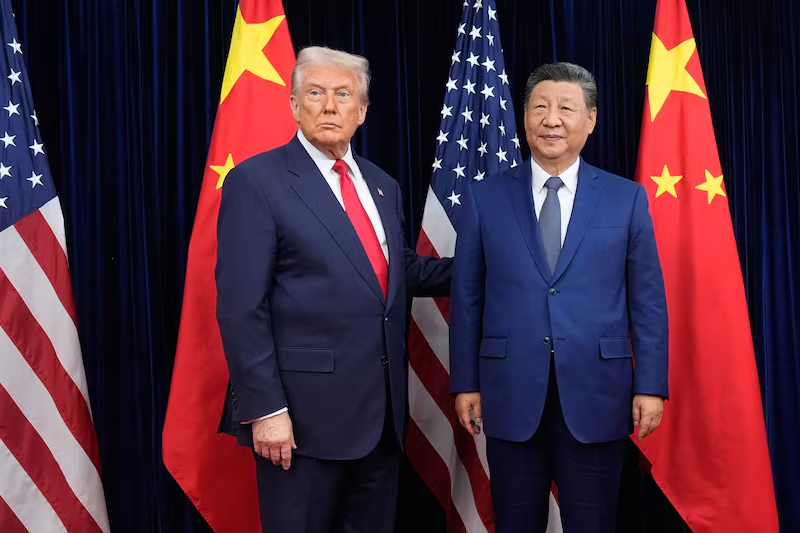
Donald Trump and Xi Jinping will meet on May 14 and 15 in their first meeting after Trump's return to the White House

In parallel, the U.S. government has intensified its sanctions campaign against entities linked to the Iranian oil trade. The Treasury Department has directed its measures especially at independent Chinese refineries, known as “teapot refineries”, which buy crude oil from Iranian intermediaries outside traditional channels. Recent actions include the sanction of the “Hengli Petrochemical” refinery, accused of having purchased large volumes of oil linked to the Iranian Revolutionary Guard Corps

.

From Washington's perspective, these sanctions are part of a strategy to reduce the Iranian government's revenues and limit its capacity for regional influence. The Trump administration maintains that the flow of oil revenues is a key factor that allows Iran to sustain military and political operations in conflict zones
.

China, for its part, has rejected sanctions and has instructed its companies not to comply with them, relying on internal regulations that protect domestic companies against extraterritorial measures. Beijing believes that US sanctions distort international trade and affect the economic sovereignty of other countries, in addition to creating instability in

energy markets.
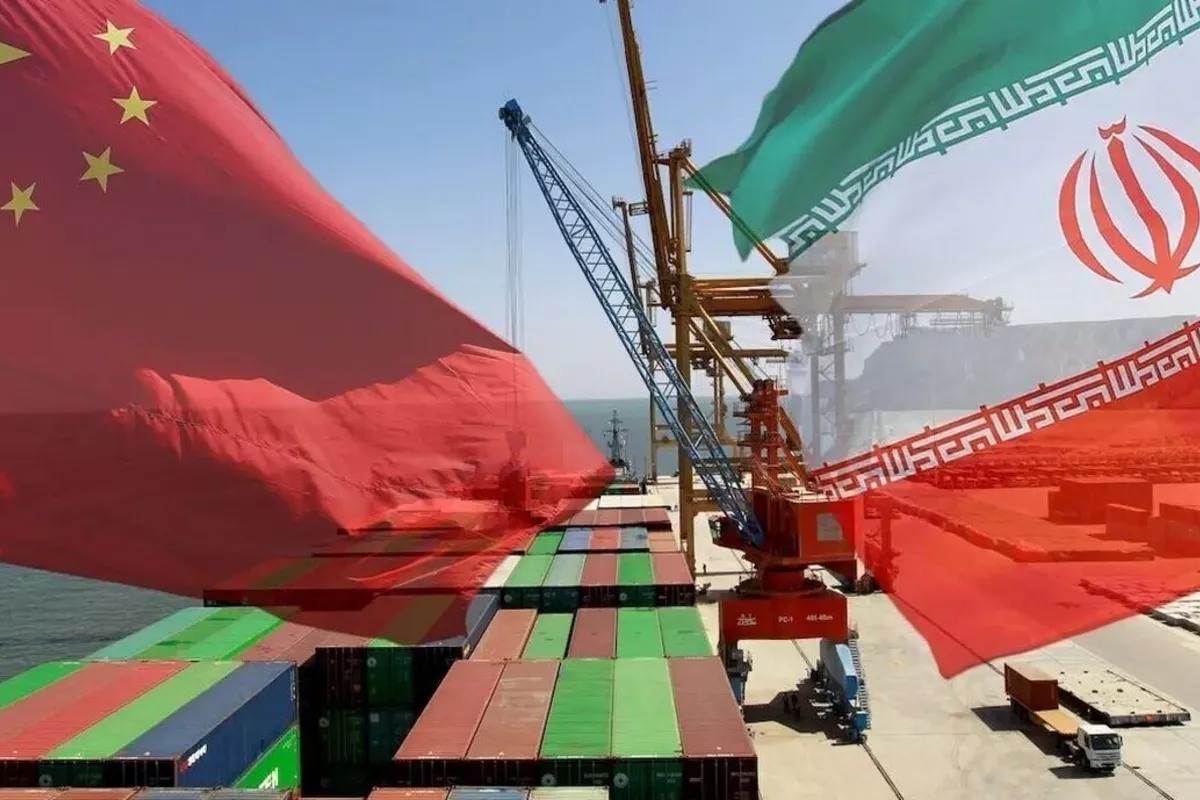
China is currently the main buyer of Iranian oil, even acquiring large quantities of sanctioned crude

This confrontation has increased tension between the two largest economies in the world and has deepened the risk of fragmentation of the international financial system. U.S. sanctions have a global reach, as they can block companies' access to Western banks and financial services, while the Chinese stance could accelerate the creation of alternative trade and financing mechanisms.

In this context, the Secretary of the Treasury insisted that the crisis in Iran will be a central issue in the meeting between Trump and Xi Jinping. According to Bessent, the situation in the Strait of Hormuz is already having direct effects on global energy markets, with increases in oil and fuel prices in the United States

.

The Trump administration argues that international cooperation is essential to stabilize the region and ensure free navigation on one of the world's most important trade routes. From this perspective, Washington believes that China's involvement in the purchase of Iranian oil has not only economic implications, but also strategic ones, since it indirectly contributes to prolonging the conflict

.

Meanwhile, the crisis in the Gulf continues to affect maritime trade and create uncertainty in energy markets. The United States argues that the reopening of the Strait of Hormuz depends in part on international pressure on Iran, in which China's participation is seen as a determining factor for any

diplomatic breakthrough.
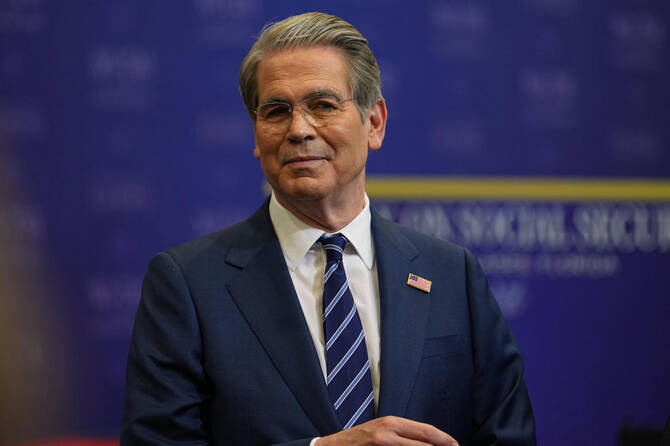
The United States Secretary of the Treasury said that the conflict with Iran is already having an upward impact on energy markets


Noticias relacionadas

California wants to prevent offshore oil exploitation and clashes with Trump

California wants to prevent offshore oil exploitation and clashes with Trump

Trump honored businessmen in the White House and was praised by Rick of the Price of History: “The Best President”

Trump honored businessmen in the White House and was praised by Rick of the Price of History: “The Best President”

The former mayor of New York, Rudy Giuliani, was hospitalized and is in critical condition

The former mayor of New York, Rudy Giuliani, was hospitalized and is in critical condition

Argentina landed at the largest energy fair in the world: 280 m² and more than 27 national companies

Argentina landed at the largest energy fair in the world: 280 m² and more than 27 national companies

Europe will reinforce its military commitment after Donald Trump's warnings, according to NATO

Europe will reinforce its military commitment after Donald Trump's warnings, according to NATO

Meat Week in Philadelphia: 15 Argentine refrigerators negotiated with 50 importers

Meat Week in Philadelphia: 15 Argentine refrigerators negotiated with 50 importers

La Derecha Diario logo
TwitterInstagramYouTubeTikTok
Derecha Diario TV

Nosotros

  • Quienes Somos
  • Autores
  • Donar

Privacidad

  • Protección de datos
  • Canales
  • Sitemap
  • RSS

Contacto

  • info@derechadiario.com.ar
PUBLICIDAD