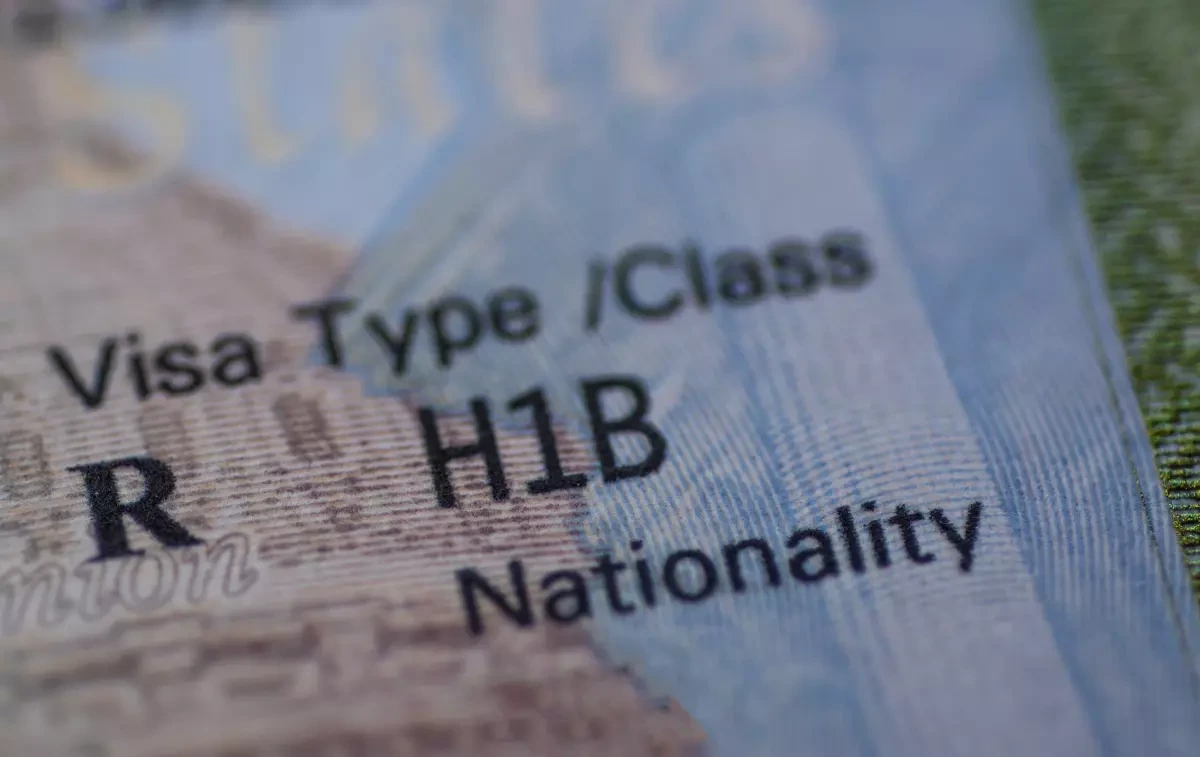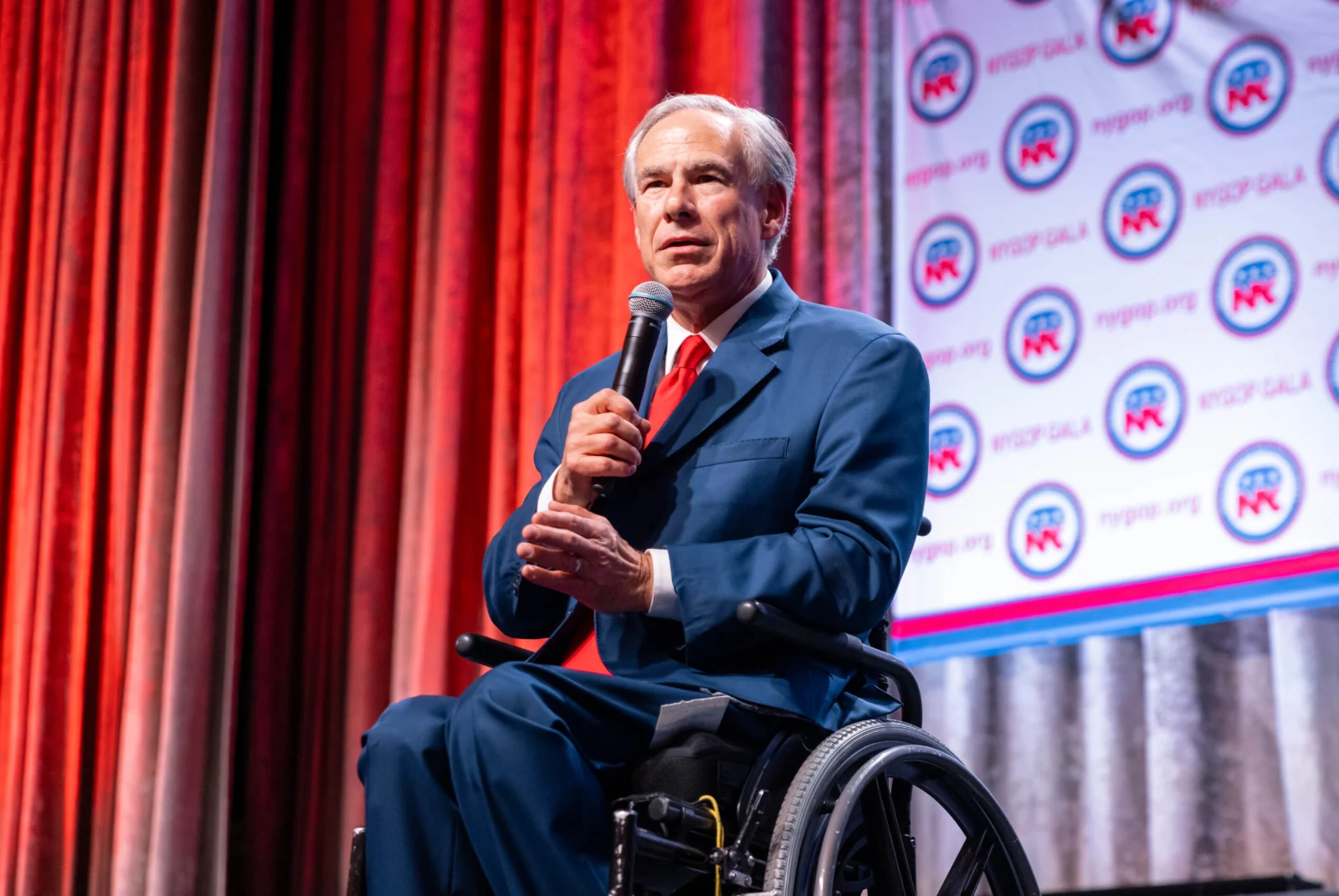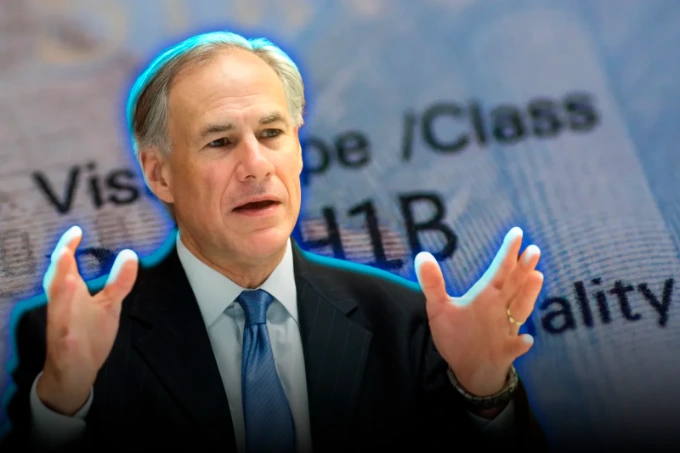

The Republican governor of Texas, Greg Abbott, announced a new initiative to limit foreign influence in the state's public schools, proposing to completely prohibit H-1B visa workers from being employed by publicly funded educational institutions and to restrict the receipt of money, gifts, and programs from foreign governments and entities.
The proposal is part of Abbott's strategy to strengthen state control over the content and influences that reach Texas classrooms. The governor argues that public schools should primarily respond to policies approved by the state's elected representatives and not to foreign interests.
''The minds of our students are driven by the influences they are exposed to in our public schools,'' Abbott stated. According to the governor, those influences should be determined by policies established by state legislators, rather than relying on foreign governments, organizations, or institutions.
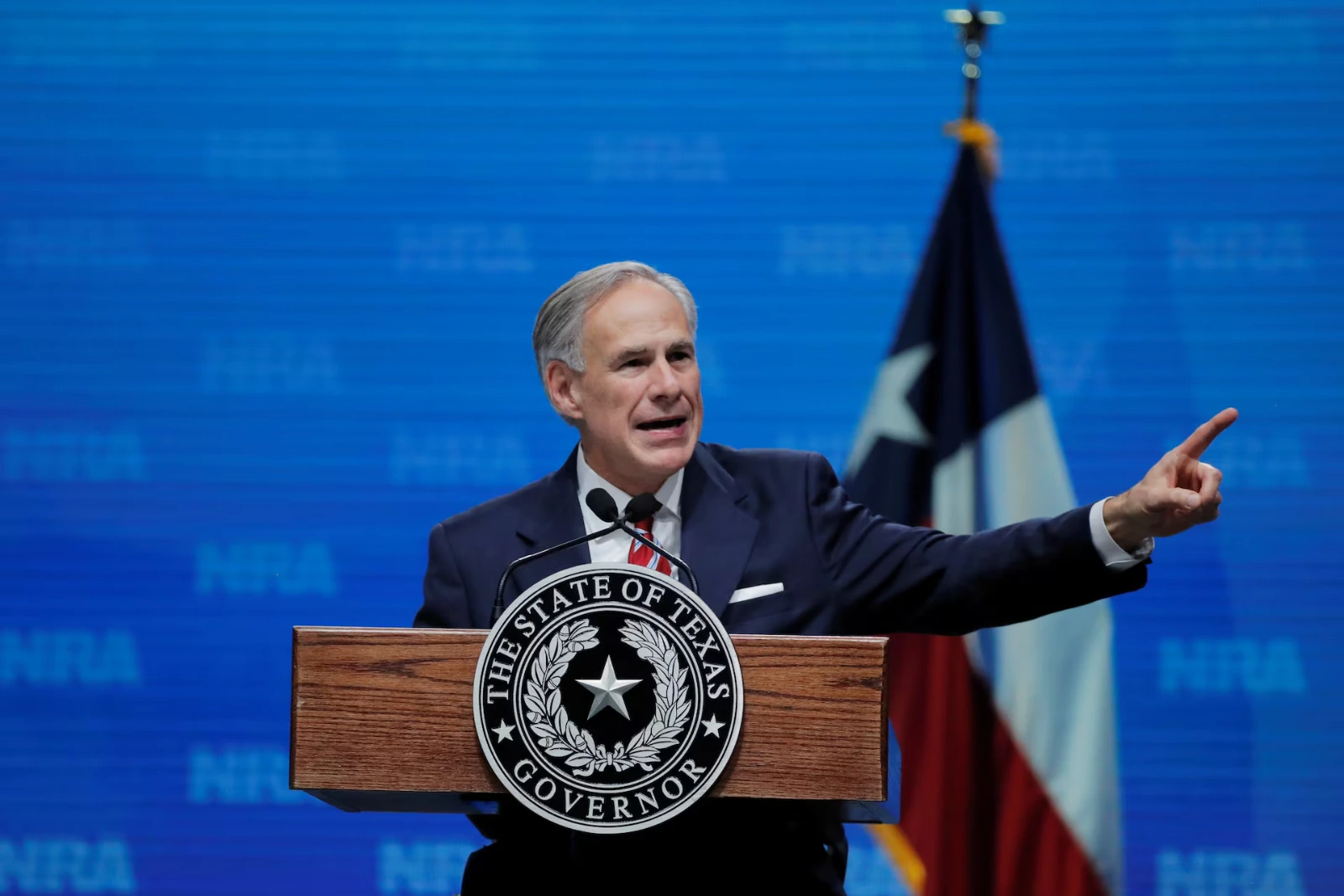
One of the main objectives of the proposal is to prevent school districts from accepting funds, property, or donations from abroad, in addition to prohibiting contracts with foreign governments, companies, entities, or organizations. Abbott argues that this type of funding can allow external interests to have undue influence over educational programs aimed at Texas children.
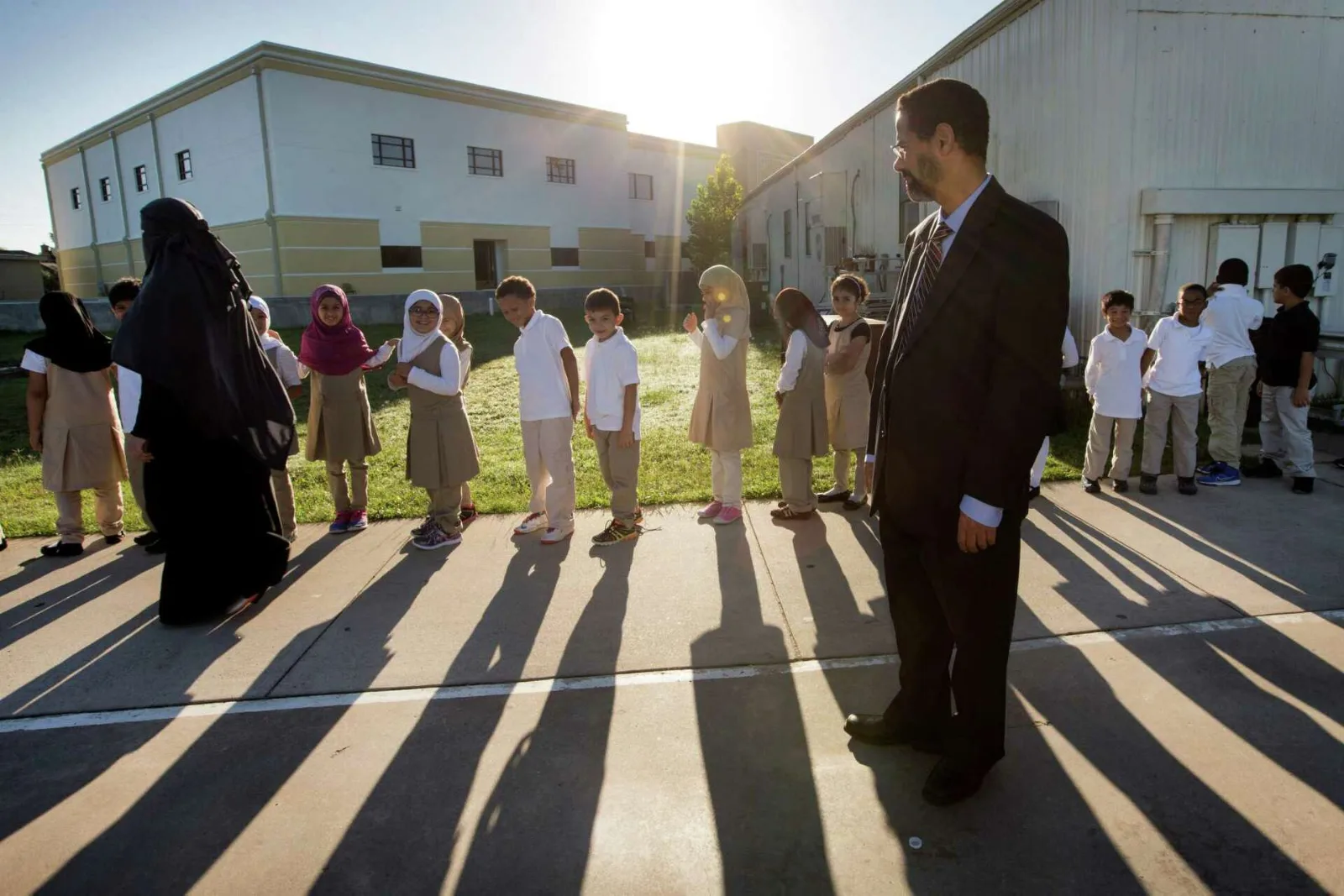
The governor cited the Austin Independent School District as an example, which received money from Qatar to support Arabic language and culture teaching programs. The district also incorporated teachers from Qatar through the H-1B visa program. Other school systems, according to the proposal, have developed similar initiatives with Chinese backing and have hired teachers from China.
Abbott warned that Texas must not allow a ''silent indoctrination'' of students within classrooms. His proposal seeks, therefore, to close what he considers a channel of foreign influence over public education and to ensure that educational priorities respond to the needs of Texas families and communities.