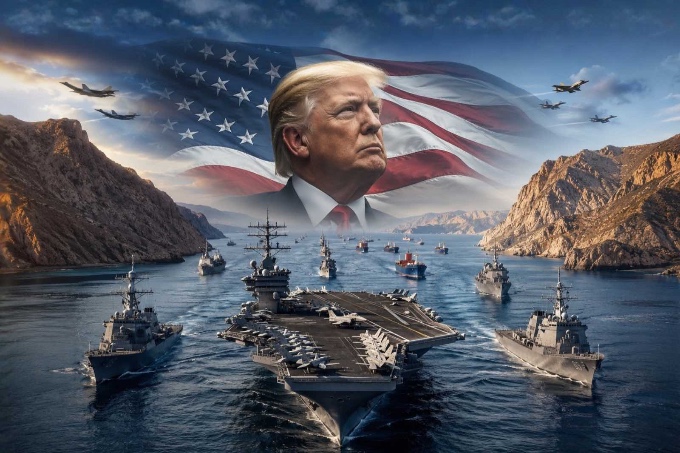

Trump's naval deployment keeps the Strait of Hormuz open: the US Navy has already escorted over 1000 ships

Trump's naval deployment keeps the Strait of Hormuz open: the US Navy has already escorted over 1000 ships

Washington's shielding of commercial ships transiting this route has proven effective in this war at sea

Share:

The naval deployment ordered by President Donald Trump in the Middle East has helped maintain the flow of oil through the Strait of Hormuz, preventing a collapse in global fuel prices and preserving commercial transit on one of the world's most important energy routes.

Due to the blockade by the Iranian regime, only a small fraction of commercial maritime transport continued to use this waterway; however, since May, the U.S. military —at Trump's order— has helped over 1,000 ships transit through this passage, as announced by Central Command. Analysts cited by the New York Times estimate that currently, about 5 million barrels per day pass through the strait thanks to Washington's protection.

Thus, ships navigate closer to Oman, on the southern part of the strait, away from the Iranian coast and the regime's forces' attacks. Companies coordinate their trips with the U.S. Navy and report potential dangers when crossing this route, allowing U.S. ships, planes, and helicopters to be deployed to respond immediately to Iranian drones and missiles.
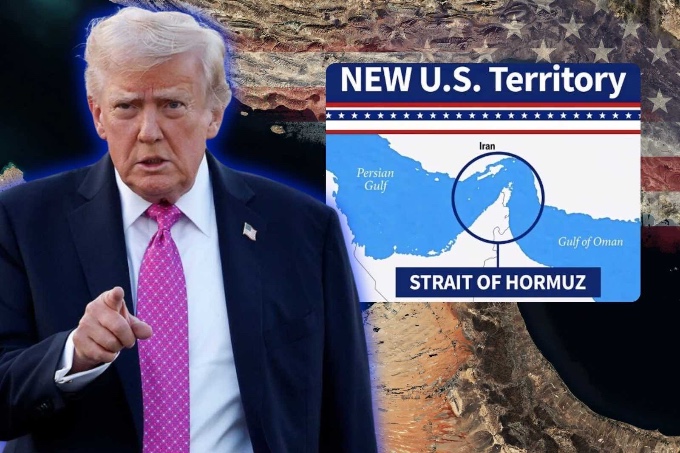
Trump even suggested the possibility of declaring the Strait of Hormuz as U.S. territory

Despite the dangers and threats from Iran, this naval operation has prevented the Islamic regime from causing greater damage to the global oil supply and seriously compromising the global economy. Maritime analyst Michelle Wiese Bockmann described the corridor devised by Trump as a surprising and effective operation.

The U.S. Navy has about 20 warships deployed in the Gulf of Oman, which perform defense tasks and actively participate in protecting vessels from Iranian projectiles.

Although maritime transport has not recovered pre-war flow levels, and many large shipping companies choose to avoid this strategic route until a lasting ceasefire is reached, it is worth noting the effectiveness of Washington's operation, which allows millions of barrels of oil to continue flowing out of the Persian Gulf despite the constant threat of attacks.

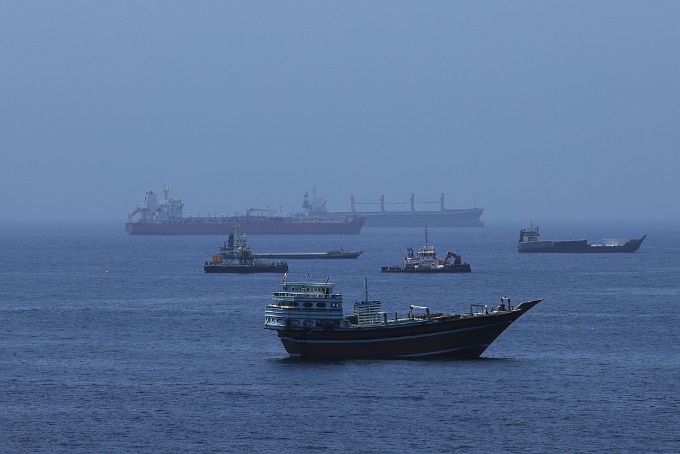
Ships transit through this strategic passage.