The United States Director of National Intelligence provided evidence of a mishandling of complaints against the president during the impeachment process in 2019.
According to the documents, the preliminary investigation had been based on indirect testimony and a limited set of interviews, without access to sufficient direct evidence to support the conclusions reached at first.
The core of the accusations maintains that the process had been supported by statements from a complainant who, according to the records now declassified, acknowledged having no first-hand knowledge of the conversation between the two leaders.
Documents declassified by the Office of National Intelligence indicate that the complaint that triggered the impeachment was mismanaged.
In addition, the participation of a witness linked to the preparation of the intelligence assessment of Russian interference in the 2016 elections, a report that the Trump administration has repeatedly questioned on the grounds that it was seriously influenced by political biases within the intelligence community, is highlighted
.
These elements reinforce the thesis that the process that led to the 2019 impeachment was tainted by a faulty interpretation of the facts and by a preliminary investigation that would not have met the usual standards of rigor.
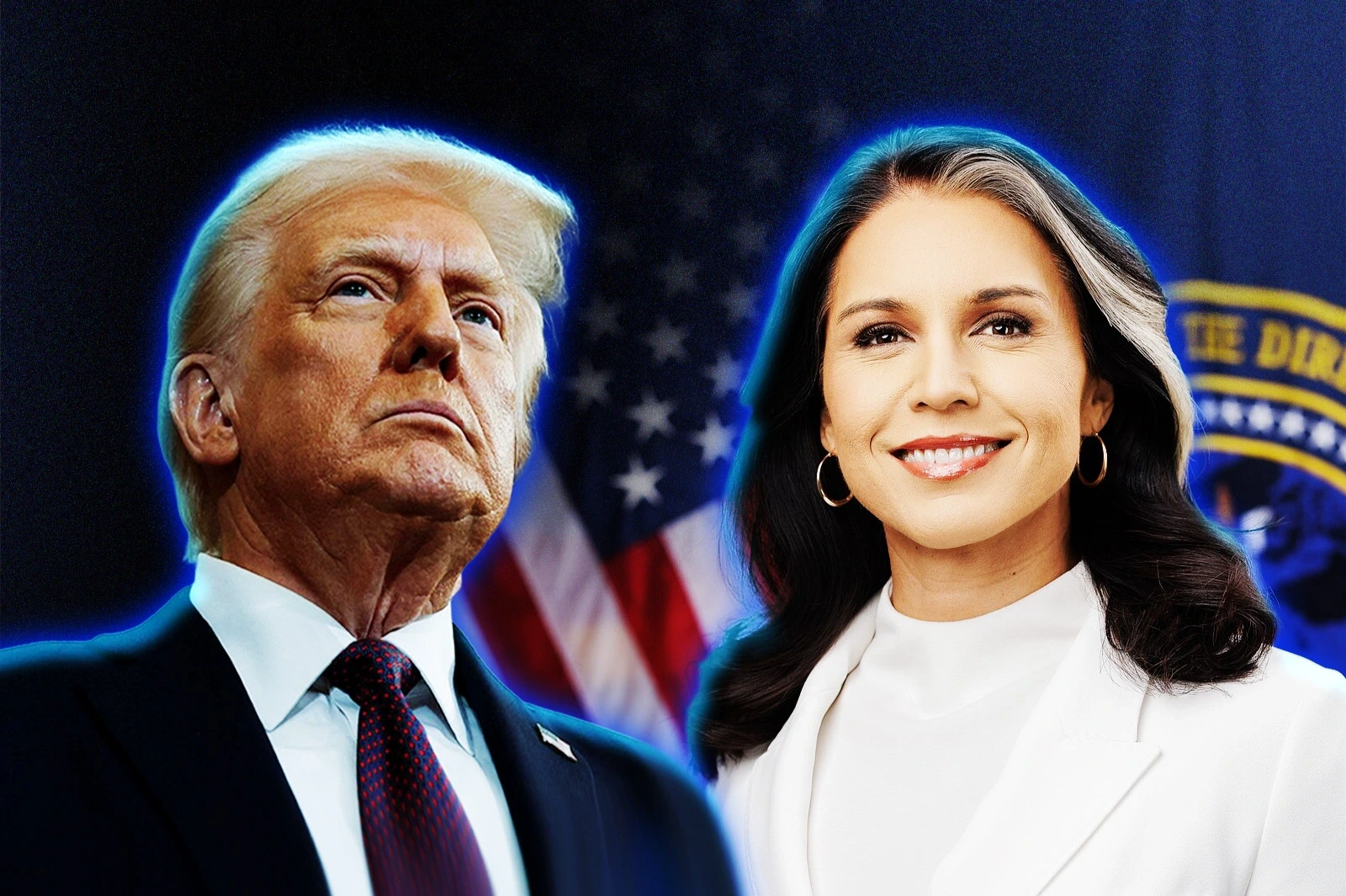
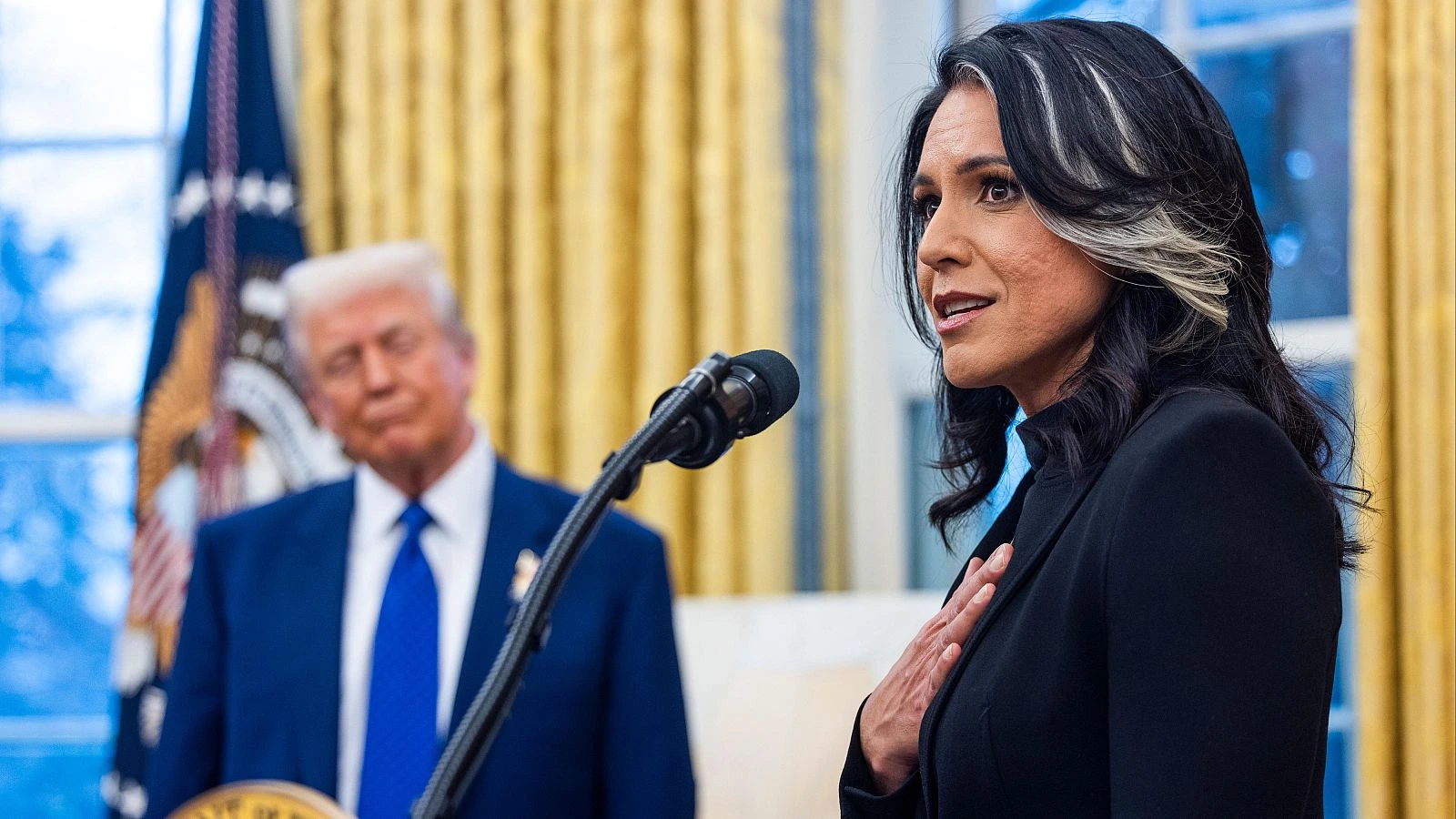
The director of National Intelligence, Tulsi Gabbard, has argued that the declassification demonstrates the need to review internal control and oversight mechanisms within the intelligence community to avoid their possible use for political purposes.
Tulsi Gabbard noted that there is a need to review internal control mechanisms in the intelligence community after the declassification of the documents
One of the most controversial points in the documents is the assertion that the inspector general would have exceeded his powers by calling the complaint an “urgent matter” and referring it to Congress without completing an exhaustive investigation. According to the administration's version, previous guidance from the Department of Justice questioning whether the complaint met the legal requirements to be considered within the scope of congressional oversight would also have been ignored
.
In addition, the documents state that the complainant would have omitted relevant information during the initial process, including contacts with congressional personnel before formally filing the complaint. This circumstance is interpreted by the administration as an indication of political partiality and of possible prior coordination that would have influenced the formulation of the accusations against the president
.
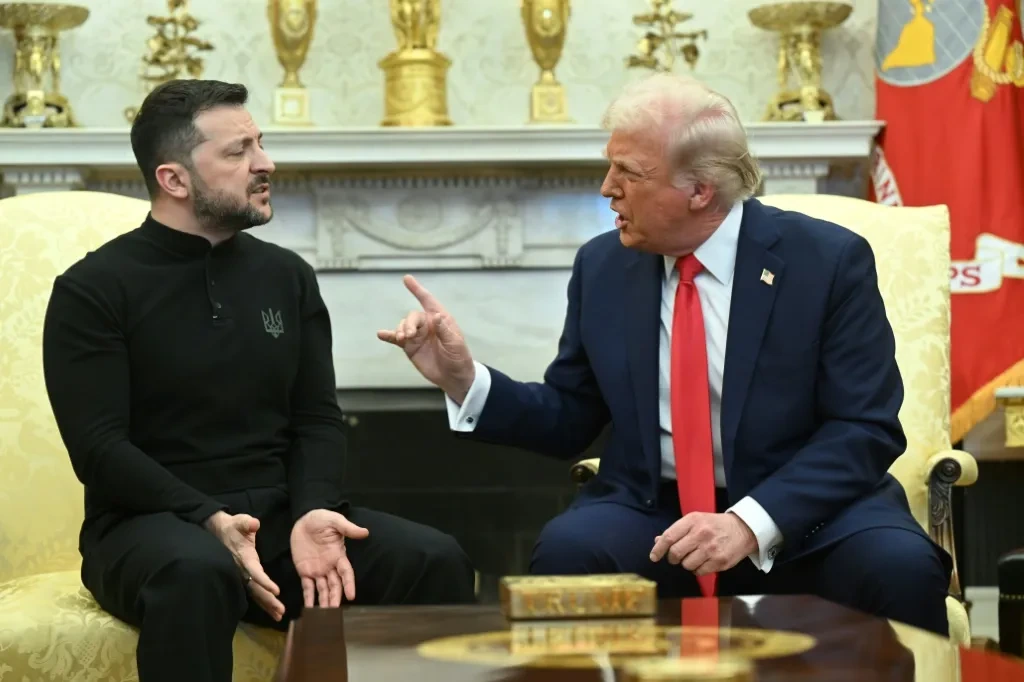
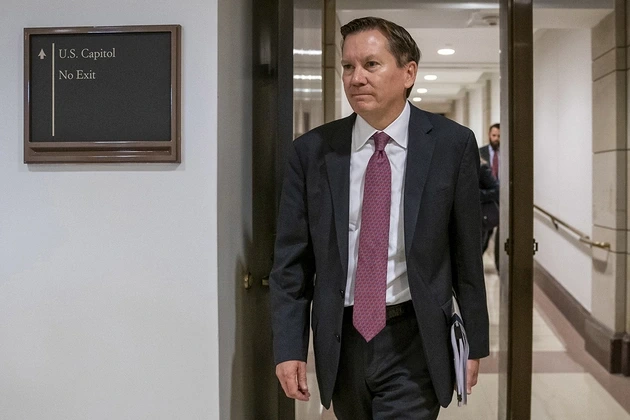
Another important element in the declassification is that the complainant himself later admitted that he had no direct knowledge of the call between Trump and Zelenski, which significantly weakens the basis of the case. Added to this is the statement that some of the testimonies used in the investigation were based on indirect interpretations or personal perceptions, rather than on
verifiable evidence. Michael Atkinson, former inspector general of the United States intelligence community