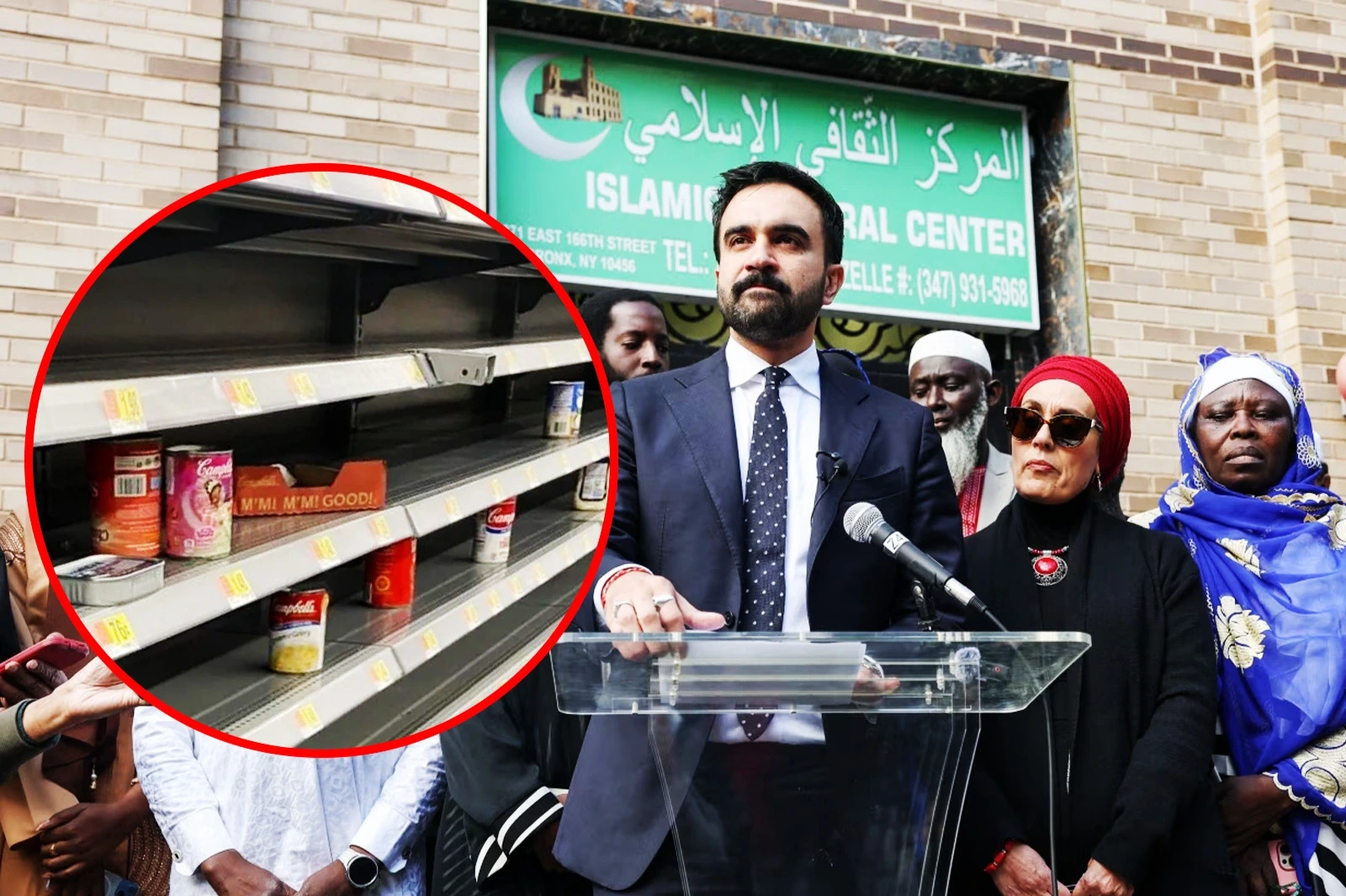
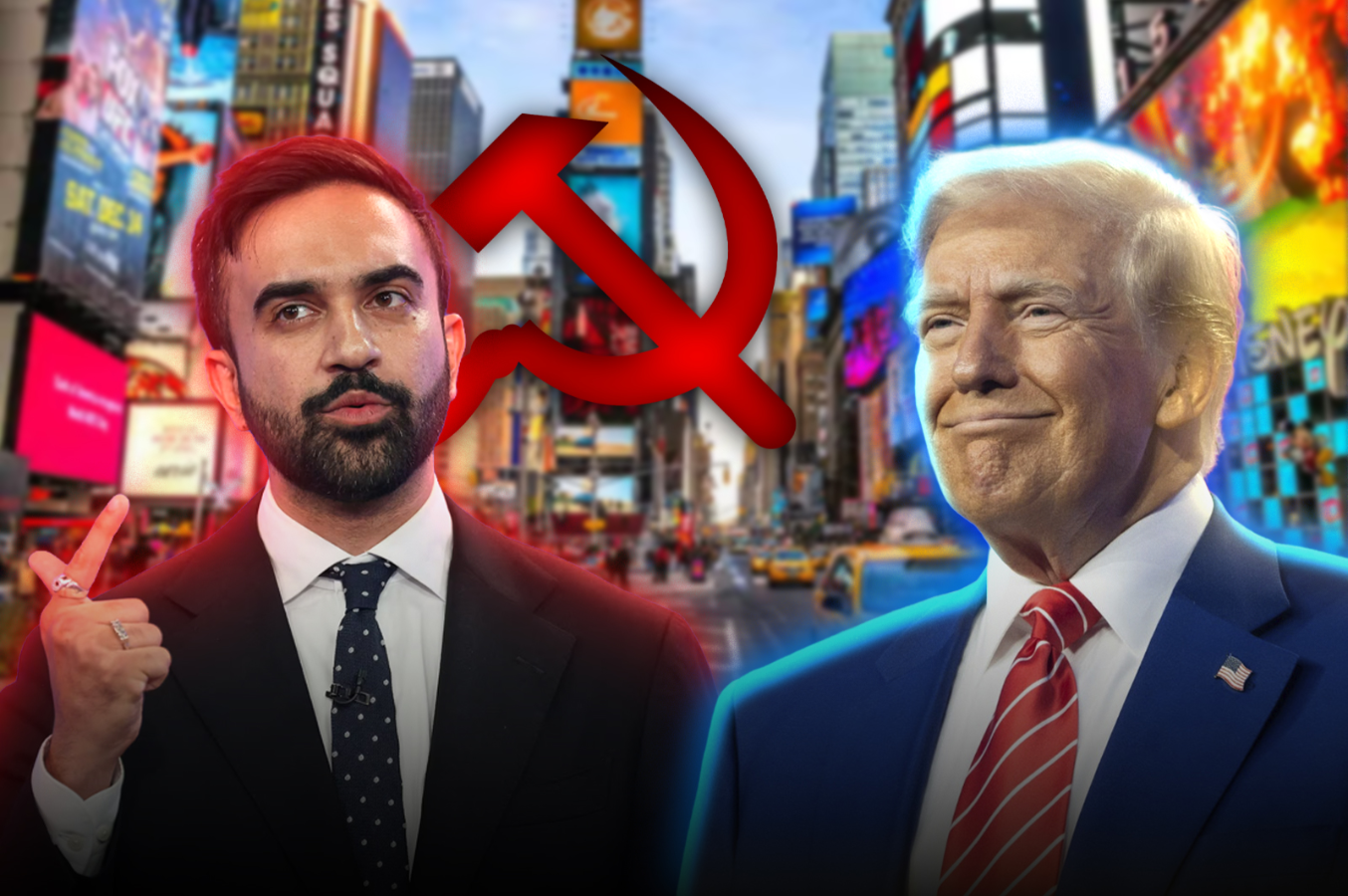
The socialist Zohran Mamndani launched his municipal supermarket program and the city's merchants erupted in anger.
Nuevo
Agregar La Derecha Diario en
Compartir:
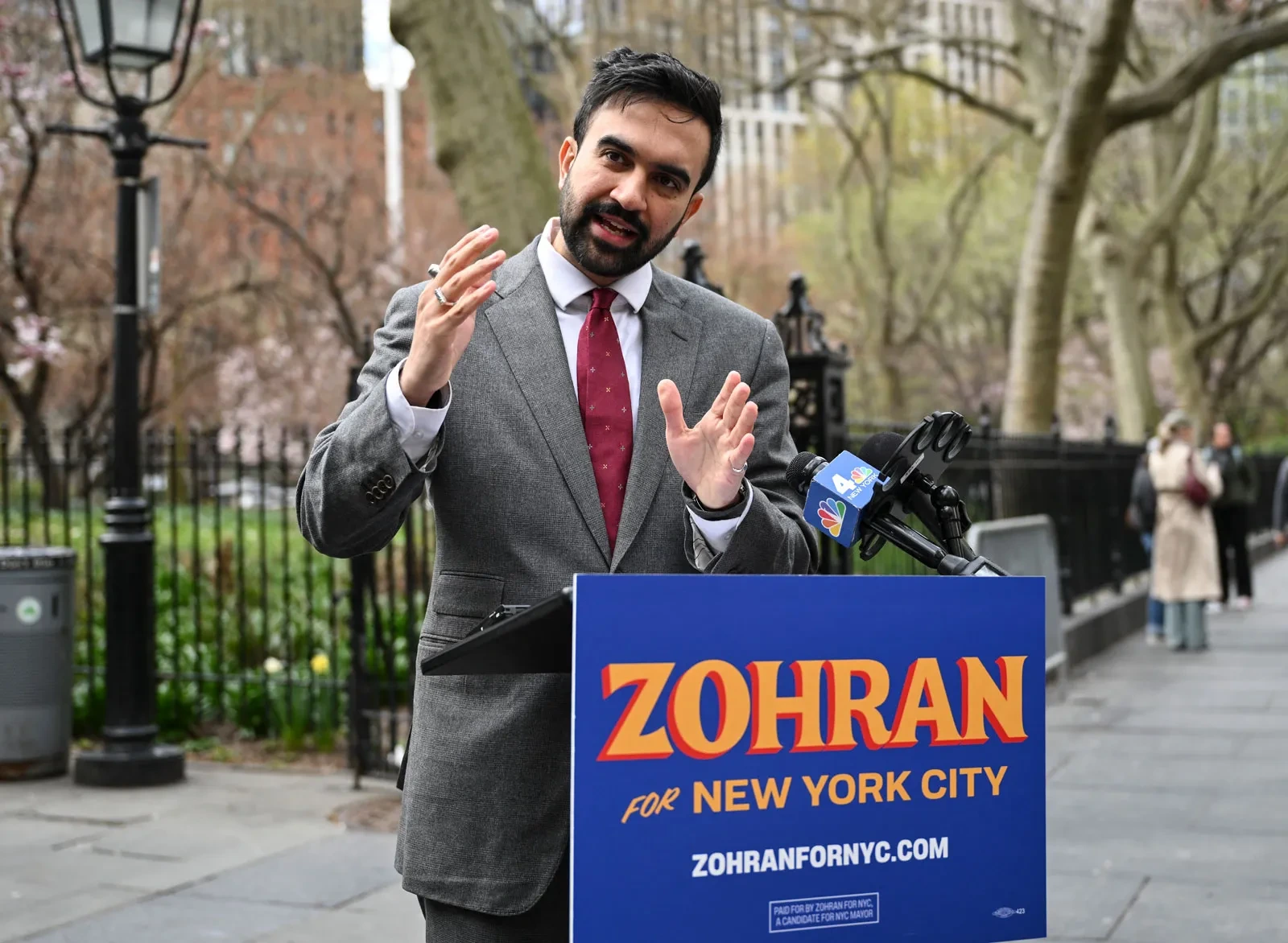
The mayor of New York, Zohran Mamdani, defended his pathetic municipal supermarket project on Tuesday, an initiative that seeks to reduce the price of basic foods in the city but which has generated strong criticism for its cost, its limited reach and its long-term viability.
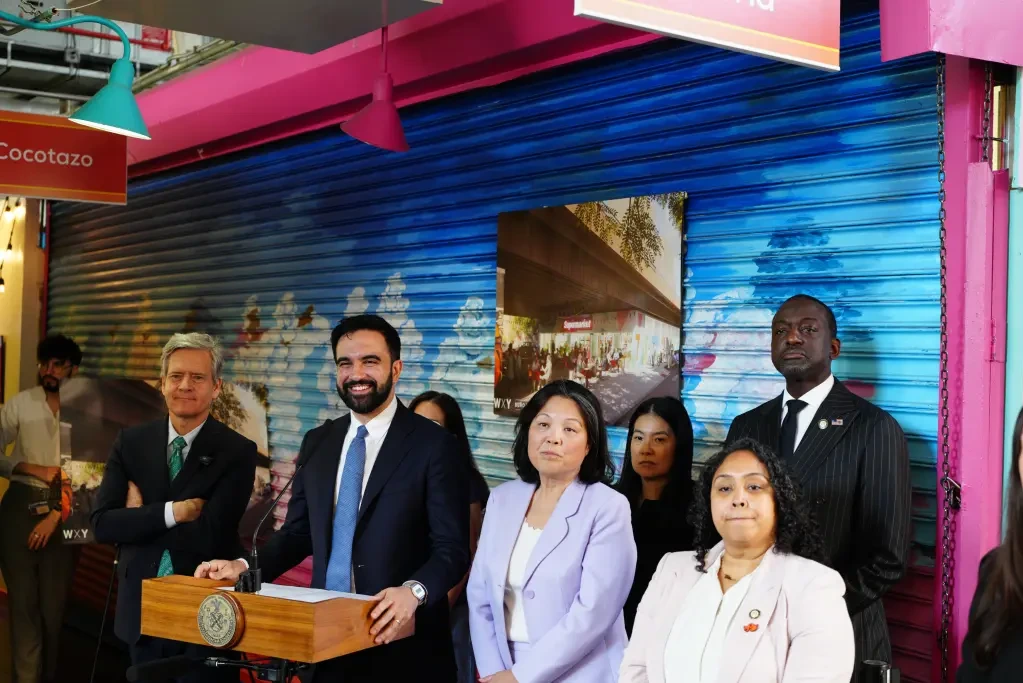
During a presentation at the historic “La Marqueta” market in Harlem, Mamdani explained that stores managed by the city will offer a “basic basket” of products with guaranteed prices below the market. This set of goods will include essential items such as bread, milk and eggs, although the mayor acknowledged that the definitive list has not yet been established. Beyond these products, the rest of the offer will also try to keep prices low, although without permanent discount guarantees
.
The project is part of a larger proposal to open municipal supermarkets in the five districts of the city. The first establishment is scheduled for the end of 2027, while the most emblematic one, located in La Marqueta, will not open
until 2029.
The latter will be built from scratch on empty land and will have about 9,000 square feet (~2800 meters) square, with an estimated cost of 30 million dollars. In total, the initiative could reach 70 million dollars in public investment, pending approval by the City Council
. The jihadist socialist mayor of New York City presented a municipal supermarket project to try to reduce the cost of living
The plan has sparked immediate skepticism among retail experts and business leaders, who question both its cost and its efficiency. Supermarket executives pointed out that the estimated price of the Harlem project is disproportionate compared to the usual cost of building similar private supermarkets, which tend to cost less than 10 million dollars, even with a larger
surface area.
It has also been criticized that there are nearby commercial properties for sale for significantly lower prices, which has fueled great doubts about the financial planning of the project.
The critiques are not limited to the economic aspect. Political analysts warn that Zohran Mamdani's proposal represents an ideological commitment to strong state intervention in the food market, with risks of inefficiency, dependence on subsidies and a possible distortion of
competition.
According to these critics, the direct management of supermarkets by the government could result in an expensive and inflexible bureaucratic structure, unable to respond quickly to market changes and to the real needs of consumers.
Mamdani plans to open stores in all 5 boroughs of New York City and the project has generated harsh criticism.
Another point of controversy is the lack of concrete details about what products will be part of the “basic basket” and how prices will be kept low in a sustainable way. Although the mayor's team assures that there will be community consultations to define the products, opponents argue that the ambiguity of the plan reflects a lack of clear operational planning. In addition, they warn that the promise of permanently reduced prices could be difficult to fulfill without a significant level of ongoing public subsidies
.
The model has also generated debate because of its potential impact on the private sector. Merchants and supermarket associations fear that the government's entry as a direct competitor will distort the local market, affect small businesses and generate publicly funded unfair competition. Some critics argue that, instead of creating a network of state supermarkets, the city should focus on encouraging private competition and improving existing food assistance programs
.
For its part, the socialist municipal administration defends the project as a necessary response to the increase in the cost of living and food insecurity in vulnerable neighborhoods. He argues that municipal supermarkets will guarantee access to basic products at more stable prices, especially in areas where private supply is limited or expensive
. Many merchants have expressed concern about state interference in the food business and warned of unfair measures.