The administration of Donald Trump achieved a new diplomatic breakthrough with the release of 25 prisoners in Belarus, as part of an agreement that includes the lifting of certain U.S. sanctions against companies in the country. The U.S. special envoy for Belarus, John Coale, described the process as successful and indicated that Washington will seek to secure the release of hundreds more people in the coming weeks.
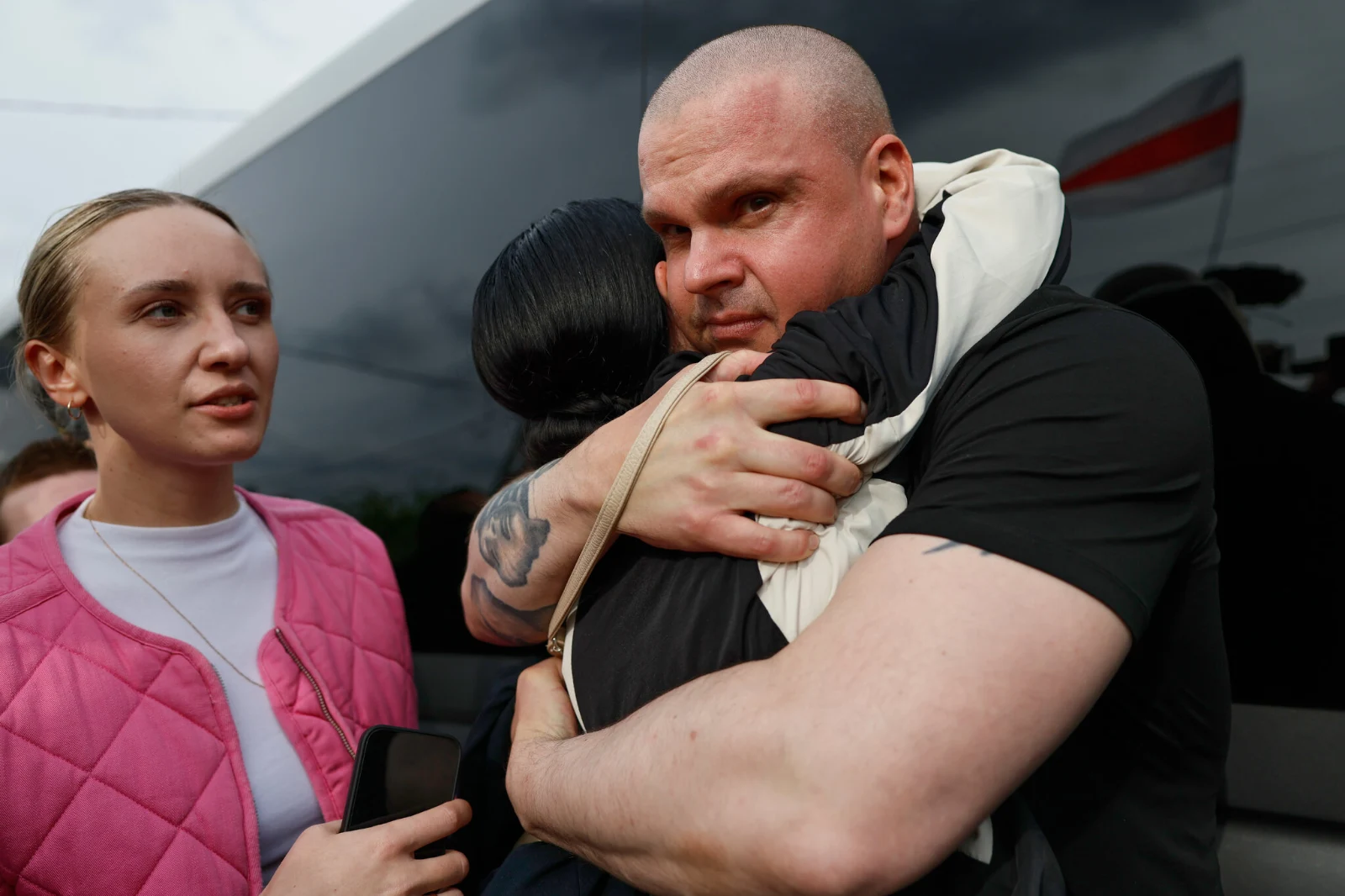
The 25 released arrived in Vilnius on Wednesday, the capital of Lithuania, following negotiations between Coale and Belarusian leader Alexander Lukashenko. Among them are journalists, political activists, human rights defenders, and representatives from the media sector.
Coale, appointed by Trump as special envoy to Minsk, emphasized that the agreement demonstrates the results that direct diplomacy can produce. In a message posted on X, he stated that Trump's commitment to this type of negotiation ''delivers results'' and assured that the United States will continue to work to achieve new releases.
''We will continue to improve relations between the United States and Belarus and are working to ensure the release of more people in the very near future. We are not done!'', Coale wrote.
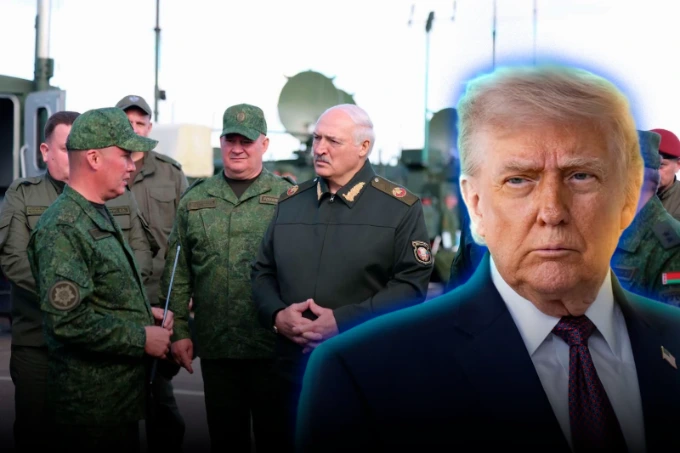
The government of Donald Trump achieved the release of 25 individuals who were in a situation of political prisoners in Belarus
The agreement includes as a counterpart an additional reduction of U.S. sanctions. Washington agreed to lift restrictions against Lakokraska, a Belarusian manufacturer of paints and industrial coatings, and Bellesbumprom, a state-owned company linked to the forestry, pulp, and paper sector. Additionally, Coale committed to working to facilitate the return of tens of millions of dollars in Belarusian assets that remain frozen in U.S. banks.
The negotiation is part of a process that began more than a year ago. In March, another round of talks backed by Washington allowed for the release of 250 prisoners and was accompanied by relief from sanctions on the Belarusian financial sector and potash-producing companies. According to various media, the different agreements reached through U.S. mediation have allowed for the release of around 500 people.
The White House had also previously indicated its interest in expanding the number of releases. Trump appointed Coale as special envoy in November 2025, after he participated in previous negotiations to secure the freedom of detainees. At that time, the U.S. president highlighted that his envoy had already contributed to the release of people held in Belarus and tasked him with continuing that work.
Now, Coale indicated that he could return to Minsk in about a month. His goal, he stated, will be to negotiate a new release that could involve hundreds of political prisoners. The envoy assured that he is confident in achieving new progress, although he acknowledged that he still does not know how many people could be freed.
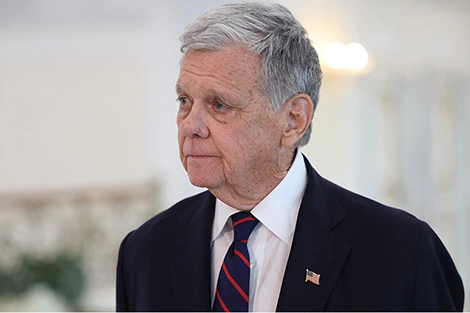
John Coale, special envoy of the Trump administration to Belarus, will return to Minsk to secure the release of hundreds of additional prisoners
The strategy represents a direct negotiation approach with Lukashenko, a close ally of Russian President Vladimir Putin and a leader who has faced Western sanctions for years. Washington has used the easing of economic restrictions as an incentive to obtain concrete concessions, especially the release of prisoners. Since Trump's return to the White House, this mechanism has produced several releases, although human rights organizations maintain that hundreds of political detainees still remain in Belarus.
The Belarusian opposition has welcomed the release of the 25 prisoners, although some of its representatives warn that the process is still far from over. Several human rights organizations estimate that hundreds of people remain imprisoned for political reasons. It has also been reported that some of the released individuals were transferred outside of Belarus and faced restrictions related to their documents.
The upcoming trip of the envoy to Minsk could thus become a new test of this strategy, with the possibility of considerably expanding the number of people released and deepening the diplomatic rapprochement process driven by Trump.
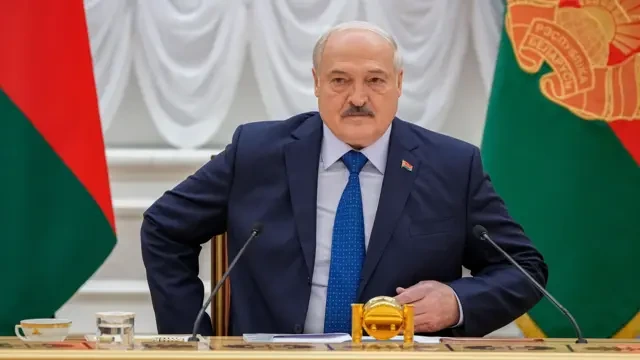
Alexander Lukashenko, the leader of Belarus and a close figure to Putin, has held negotiations with the Trump administration that have helped reduce sanctions against several companies