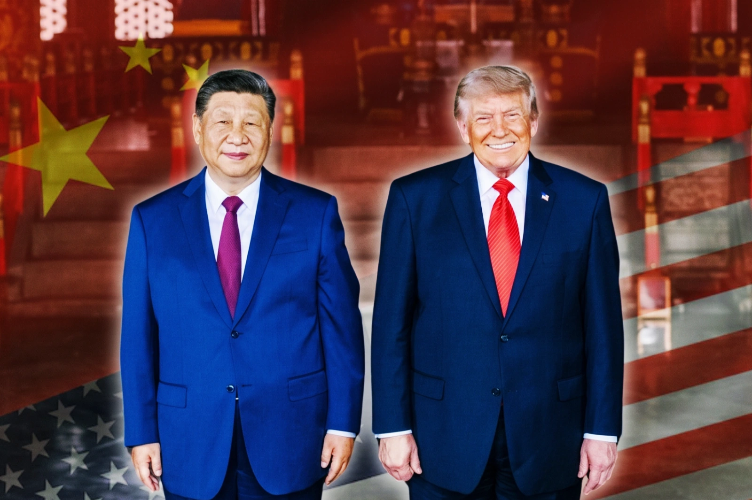
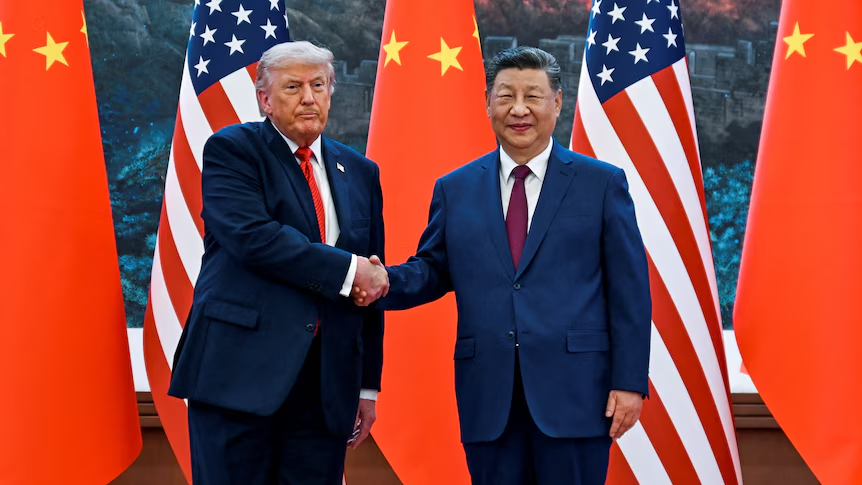
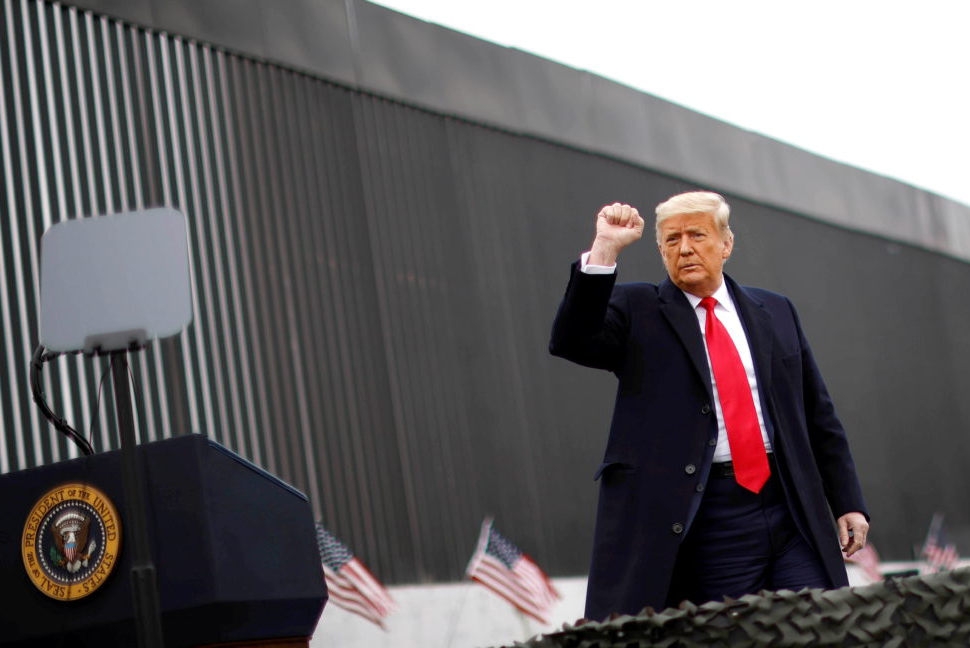
The summit held this week between the President of the United States, Donald Trump, and his Chinese counterpart, Xi Jinping, concluded with significant trade advances that the White House considers a triumph of the economic strategy promoted by Washington in recent years.
Although not all technical details are known yet, both governments confirmed a preliminary agreement to reduce tariffs on certain ''relevant products'' and expand bilateral trade in strategic sectors.
The announcement was made this Saturday by the Chinese Ministry of Commerce, which reported the creation of a new ''Council for Trade and Investments,'' intended to serve as a permanent dialogue mechanism between the two largest economies in the world.
According to Beijing, both parties agreed ''in principle'' to move towards mutual tariff reductions on products that raise concerns for both countries, although specific percentages and effective dates have not yet been specified.
Trump's visit, the first by a U.S. president to China in nearly a decade, was closely followed by international markets and political analysts due to the accumulated trade tension between the two powers in recent years. However, the meeting left clear signs of de-escalation and opened a new phase of negotiations aimed at strengthening economic exchange.
Donald Trump announced that they reached an agreement with China to eliminate mutual tariff restrictions and several purchases of various key products.
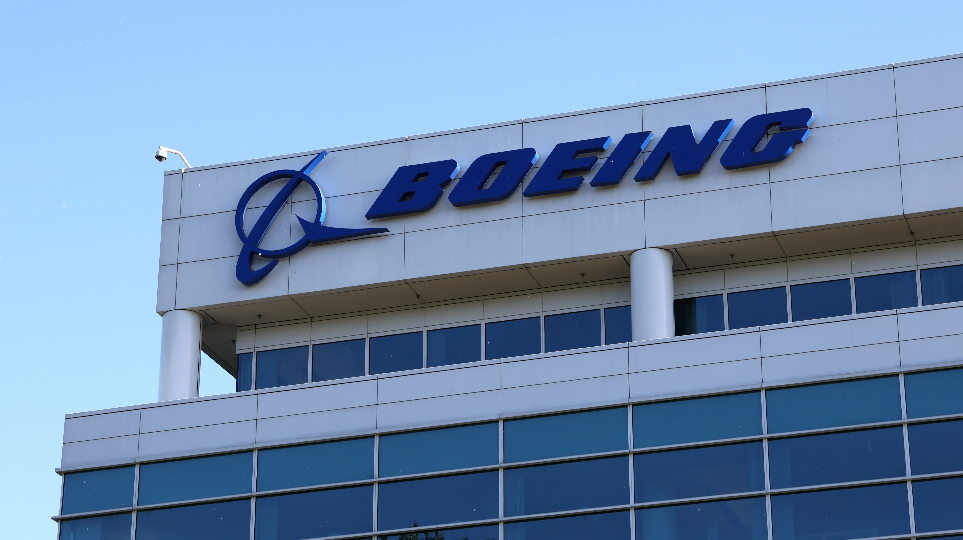
One of the central points of the summit was China's commitment to significantly increase purchases of U.S. products. Trump and his advisors stated that Beijing agreed to purchase 200 aircraft from Boeing, with the possibility of increasing the number in future negotiations. The agreement represents a strong boost for the U.S. aerospace industry and for thousands of jobs linked to the manufacturing sector.
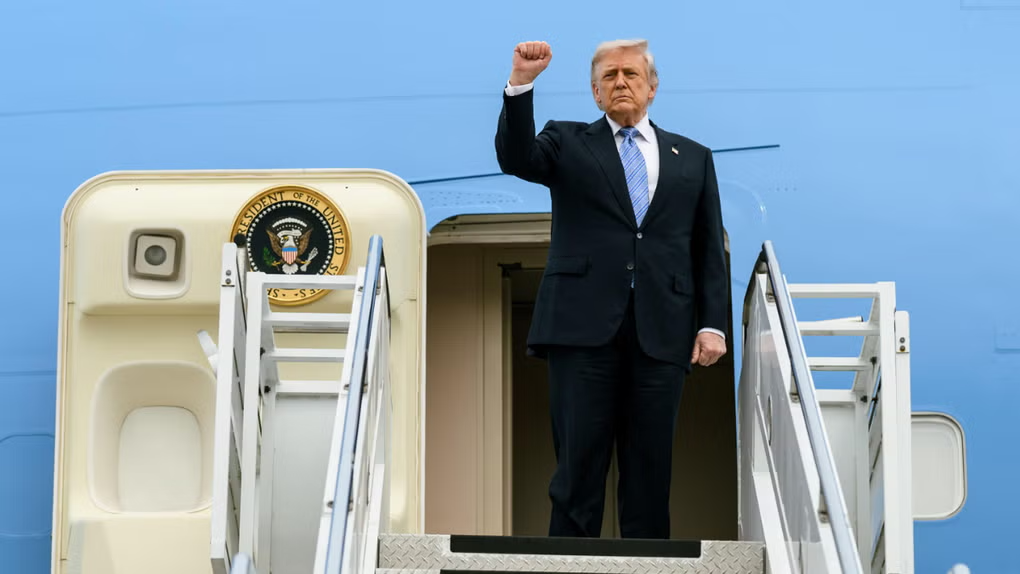
Additionally, the Republican administration announced that China will increase its purchase of U.S. agricultural products by more than $10 billion. The president particularly highlighted this aspect during statements made aboard Air Force One after leaving Beijing. ''Our farmers are going to be very happy,'' Trump said, referring to the positive impact the agreement could have on the U.S. rural sector.
For years, Trump maintained that China engaged in unfair trade practices that harmed the American economy. Since his arrival at the White House, he has pushed a pressure policy based on tariffs and trade renegotiations aimed at reducing the deficit and increasing U.S. exports. The progress made in Beijing is interpreted by his allies as a confirmation that the strategy of firmness towards China has begun to yield concrete results.
One of the highlights of the talks was the agreement for China to acquire more than 200 aircraft from Boeing.
Another of the agreements reached involves the aerospace and technology industries. According to the statement released by the Chinese government, Washington will guarantee the supply of engines and aircraft parts to China, while Beijing will expand its purchases of airplanes manufactured in the United States. It was also revealed that both parties discussed the sale of advanced chips produced by U.S. companies like Nvidia, a sensitive topic due to technological restrictions and strategic competition between the two countries.
While Chinese authorities avoided giving too many details publicly, the White House presented the trip as a diplomatic and economic victory. Trump arrived in Beijing with the goal of obtaining concrete trade commitments and reinforcing the U.S. position in an increasingly complex bilateral relationship. The outcome of the summit allowed for progress to be shown in key sectors such as agriculture, aviation, energy, and medical technology.
International analysts believe that, despite the announced agreements, the structural differences between Washington and Beijing will continue. The United States and China maintain intense geopolitical and technological competition, in addition to disagreements over trade, security, and market access. However, the meeting between Trump and Xi demonstrated that both powers still have an interest in preserving a mutually beneficial economic relationship.
President Trump announced that the trip to China represented a huge victory in diplomatic and trade matters.
For the Trump administration, the main political value of the summit lies in having achieved concrete economic concessions through a tough negotiating stance. While previous governments sought agreements without significant visible results, the U.S. president managed to get China to agree to discuss tariff reductions and increase purchases of U.S. products.
Although the final details of the agreements are still pending, the visit left a clear signal: Washington and Beijing seek to avoid a trade escalation and keep dialogue channels open. For Trump, the meeting in China also represents an opportunity to consolidate his image as an international negotiator and defender of U.S. economic interests.