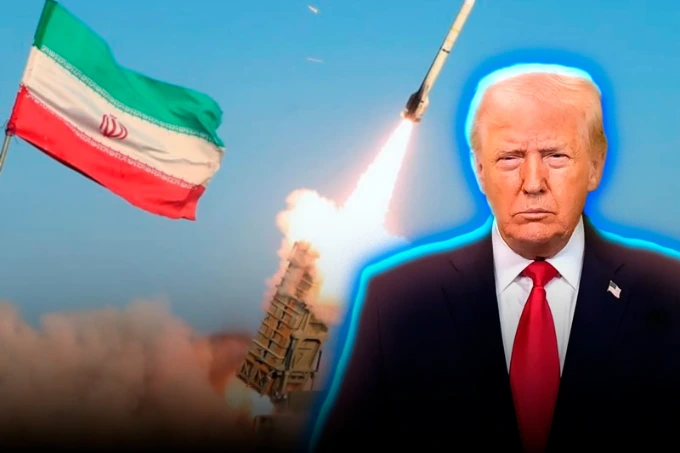
The President of the United States, Donald Trump, stated on Monday that the Iranian regime is interested in reaching an agreement with Washington, although he warned that Tehran would still not be willing to accept the conditions that the U.S. administration considers essential. The statements come as the 60-day deadline outlined in the memorandum of understanding signed on June 17 approaches, which aimed to pave the way for a negotiated resolution to the conflict in the Middle East.
Trump made it clear that, for his administration, the central point of any potential agreement is to prevent Iran from developing a nuclear weapon. "We are there for one reason: Iran cannot have a nuclear weapon," the president stated to reporters in the Oval Office.
The president maintained that Tehran wants to negotiate, but questioned whether the proposals it would be willing to accept are sufficient to guarantee U.S. and regional security. "They want to reach an agreement, but they are not going to close the type of agreement that I consider necessary," he noted.
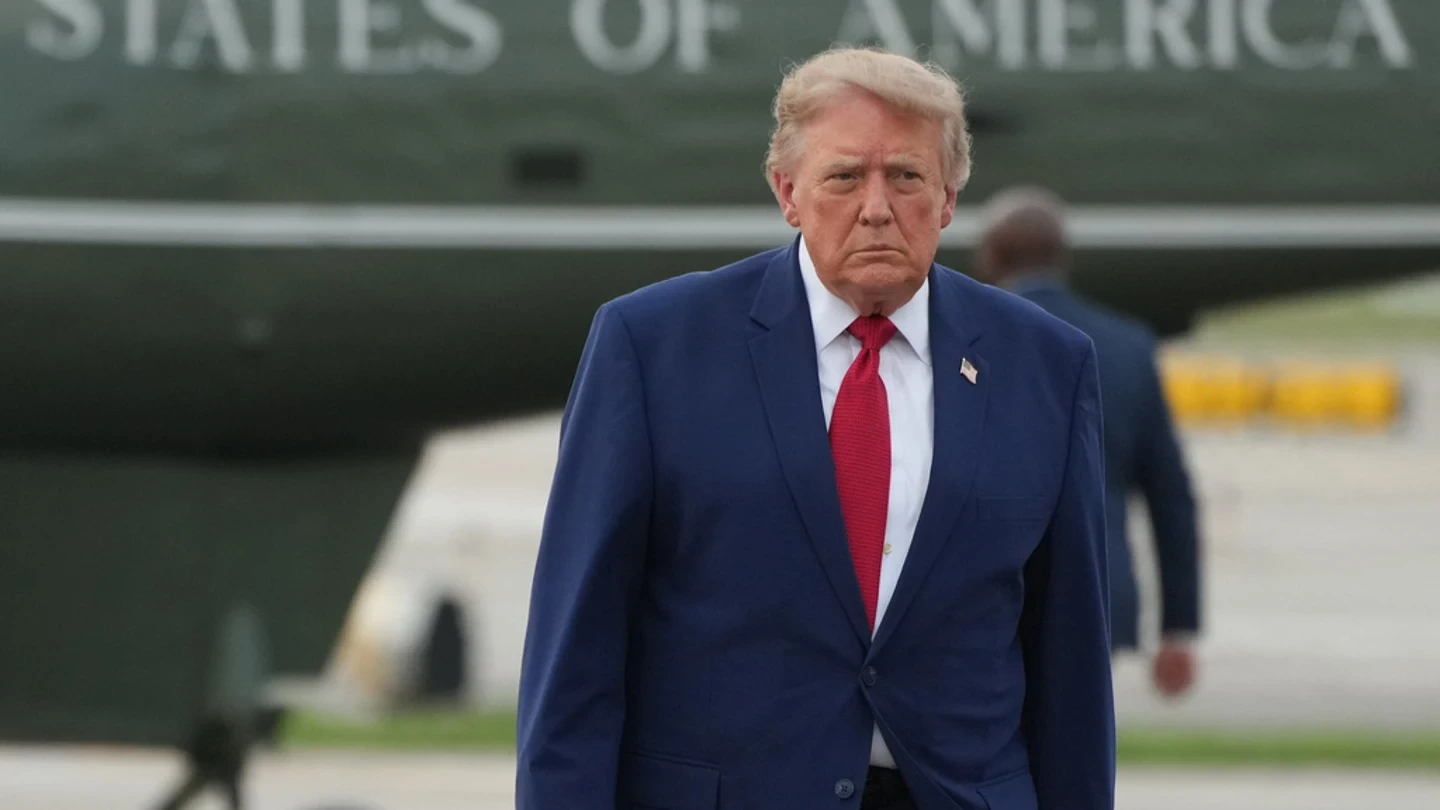
Donald Trump stated that the Iranian regime wants to reach a peace agreement but has not agreed to give up its pursuit of a nuclear weapon
Trump's stance reflects a pressure strategy aimed at preventing Iran from using negotiations to buy time while it maintains or rebuilds its nuclear capability. Although the president left open the possibility of continuing contacts, he also emphasized that Washington will not accept a deal that does not meet its main security demands.
Trump also confirmed that there are indirect talks with Iranian representatives through parallel channels, although the Tehran regime has denied that these contacts are taking place on the terms proposed by Washington. The possibility of keeping the diplomatic channel open allows the U.S. administration to combine pressure with a negotiated alternative, always under the condition of preventing Iran from obtaining a nuclear weapon.
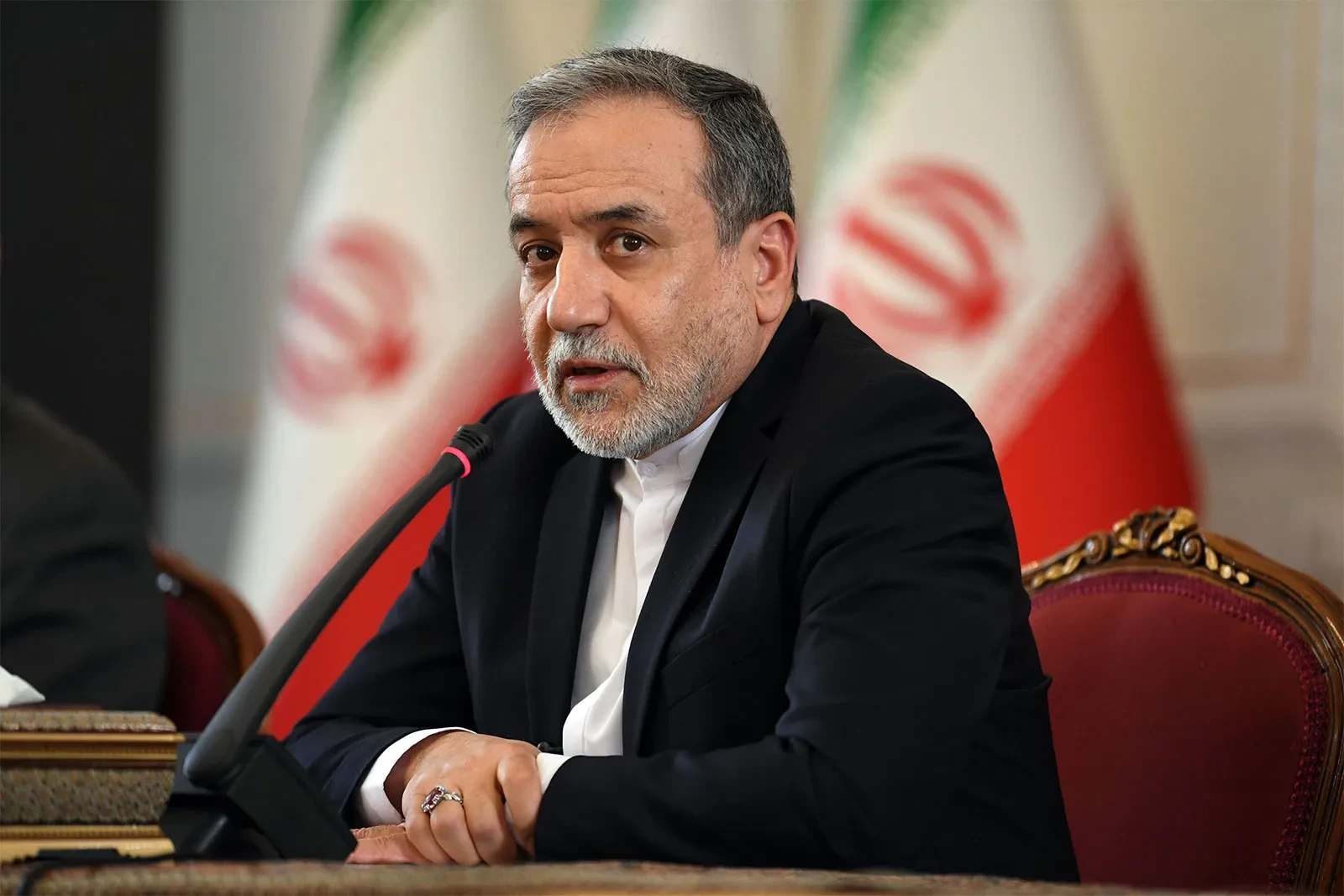
The Iranian regime has denied any negotiations through parallel channels with the U.S. government
Trump warns about the Strait of Hormuz
The situation in the Strait of Hormuz also took center stage in the president's statements. Trump issued a warning to Oman against any attempt to interfere with the talks or navigation in this strategic maritime route.
The president stated that the United States could respond decisively to any action that threatens its interests and questioned Muscat's behavior in the context of diplomatic efforts related to the region.
The Strait of Hormuz is one of the main global routes for the transport of oil and gas, so any significant disruption could affect international energy supply and raise prices. However, Trump assured that the data his administration has indicates that the maritime route remains open to some extent and that oil prices are declining.
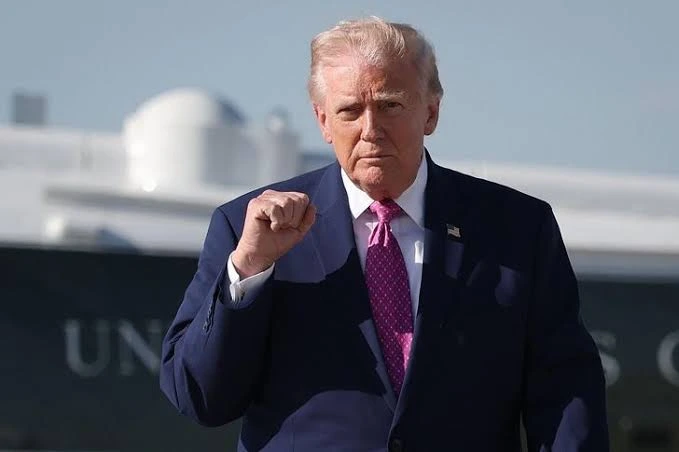
On the other hand, the U.S. president has warned Oman about actions that could hinder negotiations related to the situation in the Strait of Hormuz
Trump resumes dialogue with Kim Jong-un
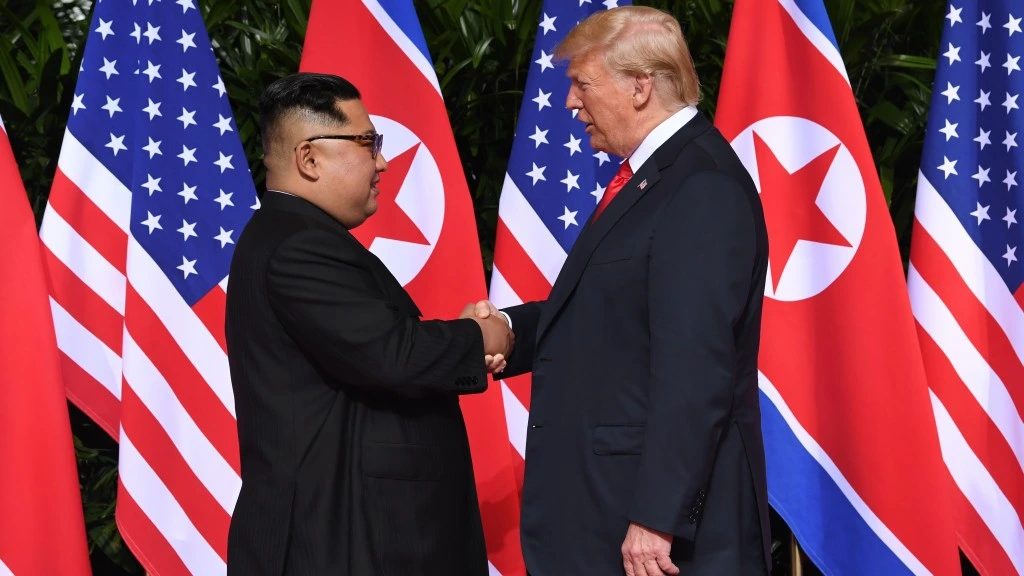
During his statements, Trump also confirmed that he is maintaining exchanges with North Korean leader Kim Jong-un. The president described the communications as "very positive" and confirmed that Kim responded to messages sent recently from Washington, although he avoided revealing details.
Trump and Kim held three meetings during the U.S. president's first term, in an attempt to move towards the denuclearization of North Korea. Although those negotiations ended without an agreement, Trump believes that his personal relationship with the North Korean leader can again serve as a diplomatic tool to reduce tensions.
In this context, the president defended his decision to scale back certain joint military exercises between the United States and South Korea. Trump argued that the exercises could send an unnecessarily hostile signal to Pyongyang and stated that the modifications aim to contribute to a more secure Korean Peninsula.
The President of the United States has reactivated talks with the North Korean regime as he seeks to reduce tensions on the Korean Peninsula
The president also criticized Seoul for not having fully supported Washington during its pressure campaign against the Iranian nuclear program and criticized the decisions made during Joe Biden's administration related to the sharing of defense costs.
Trump insisted that his measures do not represent an abandonment of South Korea or a unilateral concession to North Korea. On the contrary, he presented his strategy as an attempt to use direct diplomacy and his personal relationship with Kim to reduce conflict risks while the United States maintains its deterrent capability.