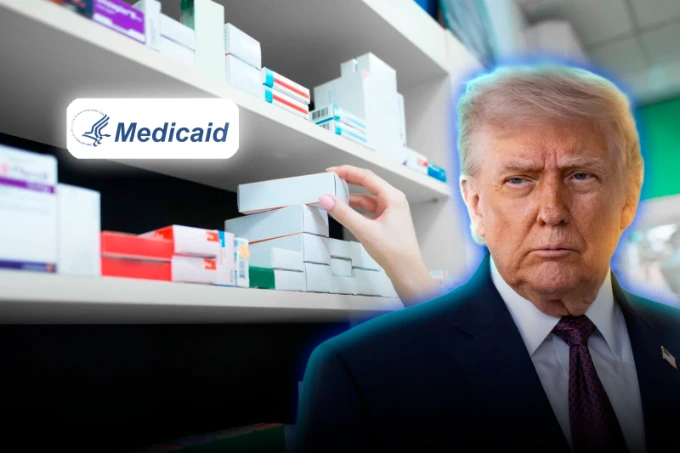

President Donald Trump announced this Friday the extension of drug prices under the ''most favored nation'' (MFN) scheme to Medicaid programs in the 50 states, Washington D.C. and Puerto Rico, expanding one of the main initiatives of his administration to reduce the cost of prescription drugs in the United States.
Trump presented the measure as a step forward to reduce public health spending and allow states to have more resources to improve other services. According to the president, the new agreements will save ''billions and billions of dollars'' each year on medications.
The program establishes that participating pharmaceutical companies will offer Medicaid prices linked to the lowest values paid by other developed countries. Through the model called ''GENEROUS Medicaid Payment Model'', manufacturers will provide reimbursements to state programs to ensure that the final price of certain brand-name drugs does not exceed the MFN price.
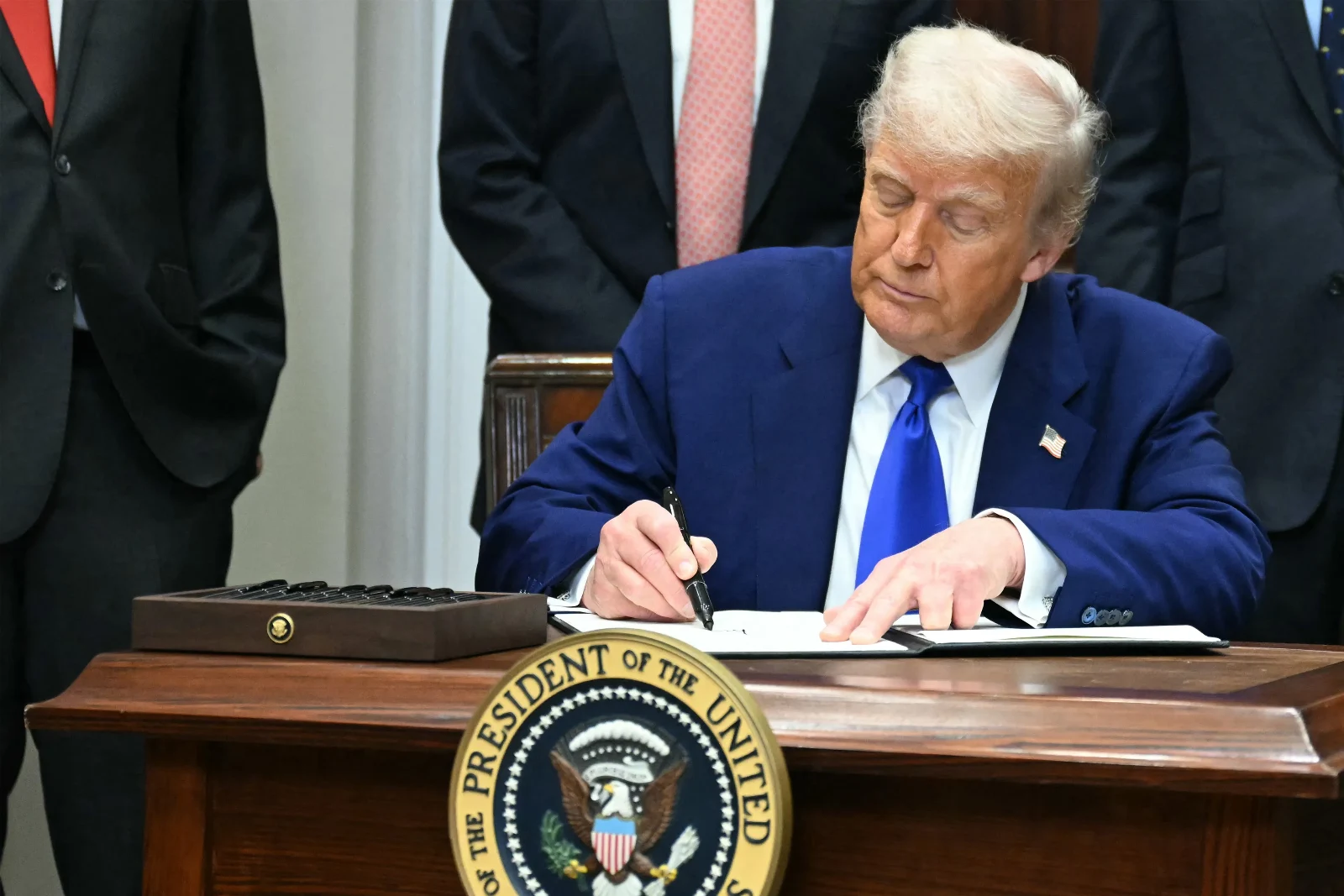
The White House estimates that the initiative will save approximately $64.3 billion over the next decade. Of that amount, about $36.6 billion would correspond to the federal government and $27.6 billion to state governments. The goal is for those resources to be allocated to other health needs and to care for individuals who depend on Medicaid.
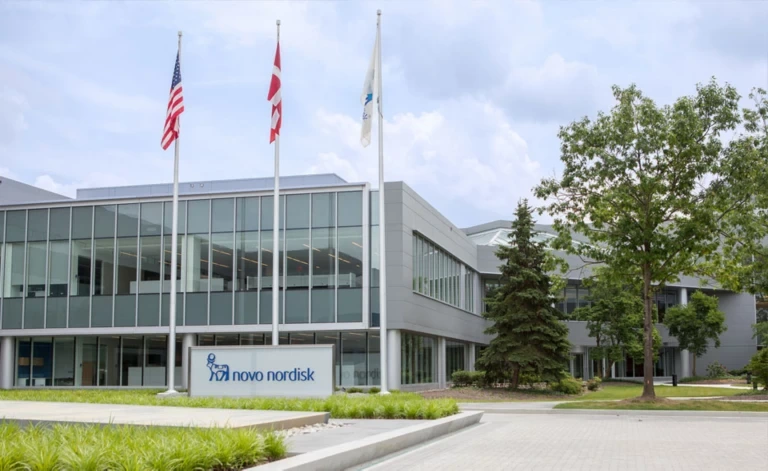
Trump has made reducing drug prices one of the priorities of his health agenda. Since September 2025, his administration has reached voluntary agreements with 26 major pharmaceutical companies, which together cover nearly 90% of the U.S. brand-name drug market, according to the White House. Among them are Eli Lilly, Novo Nordisk, Amgen, Bristol Myers Squibb, GSK, Merck, Novartis, Regeneron, Sanofi, Johnson & Johnson, and Teva Pharmaceuticals.