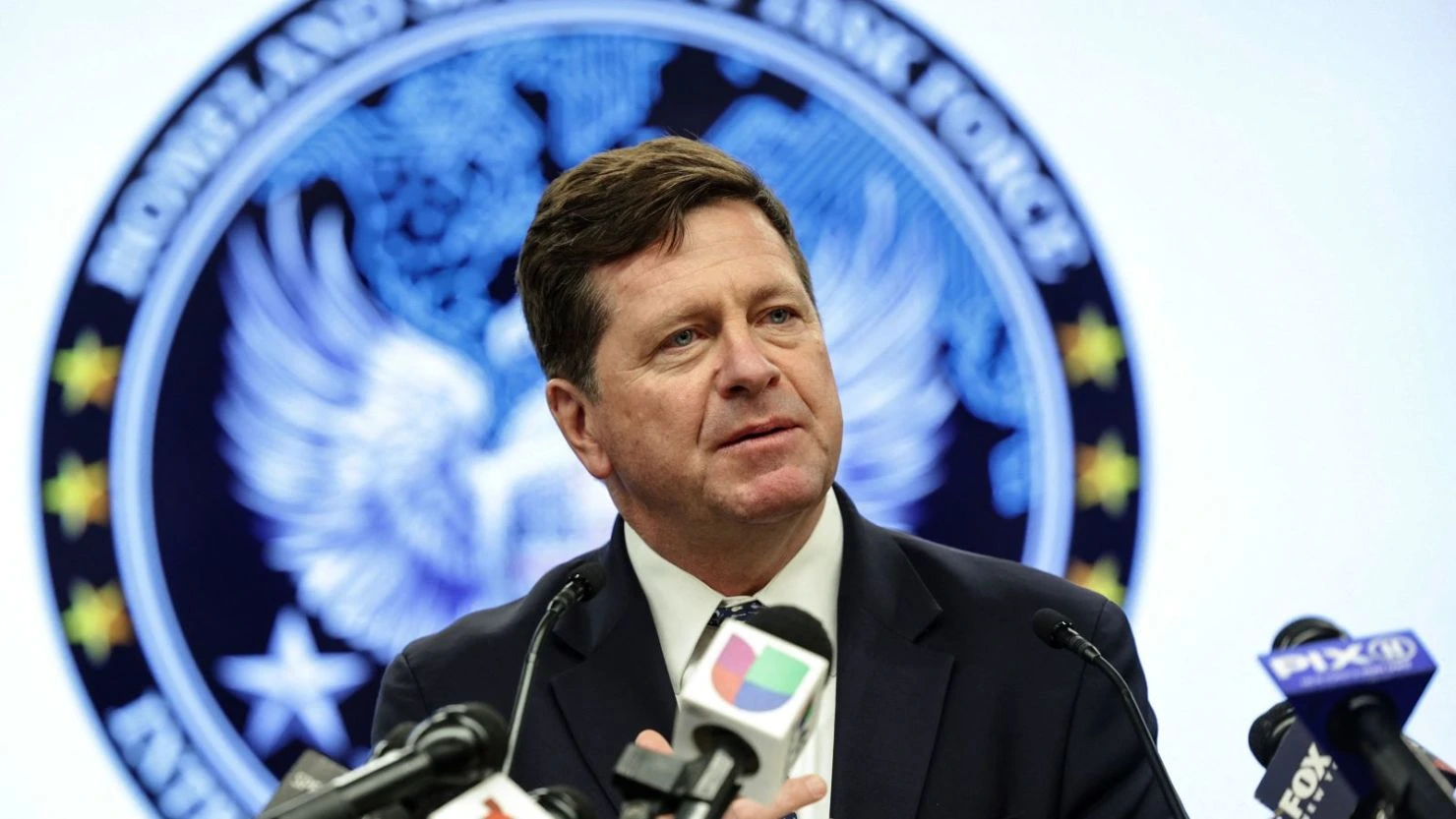
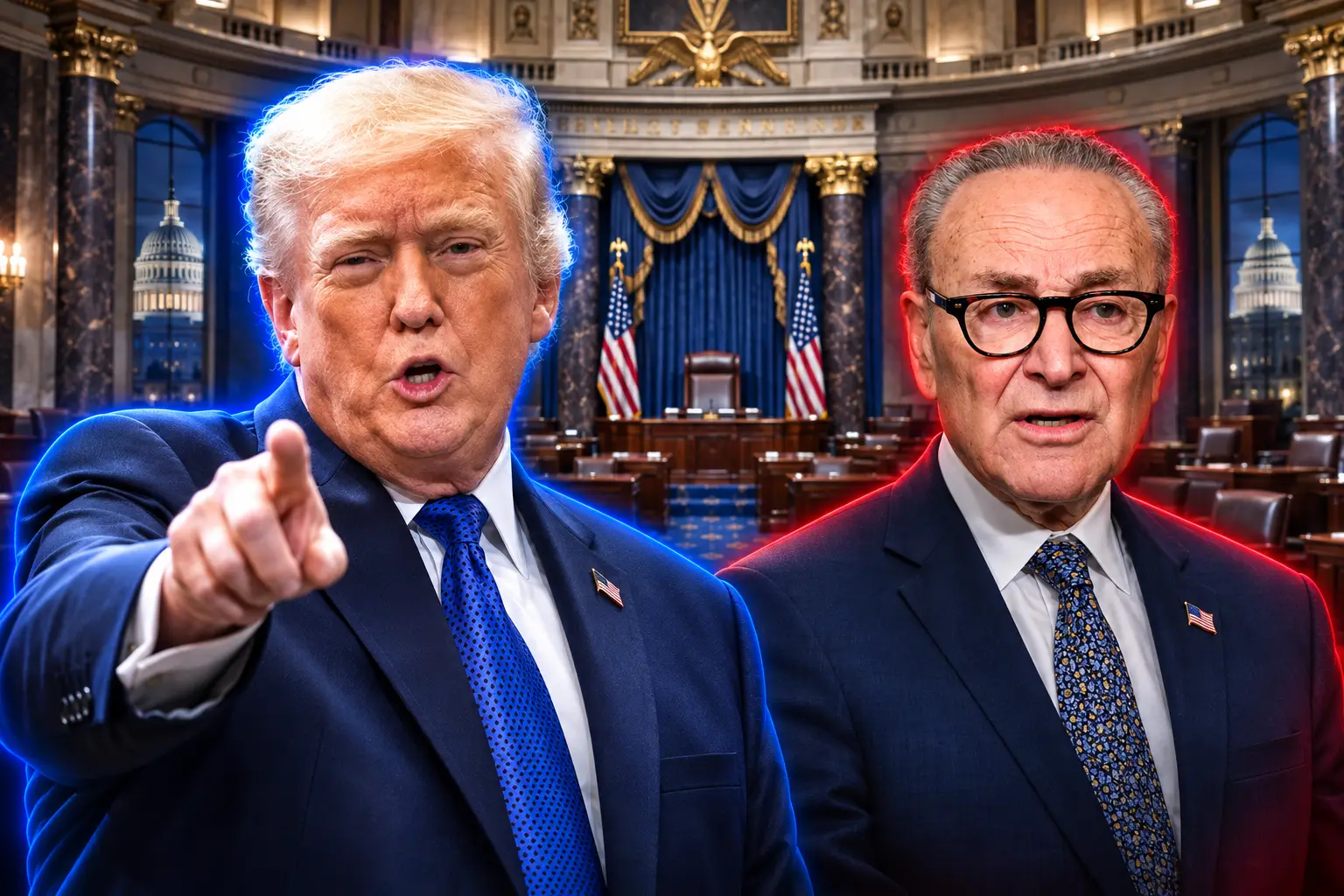
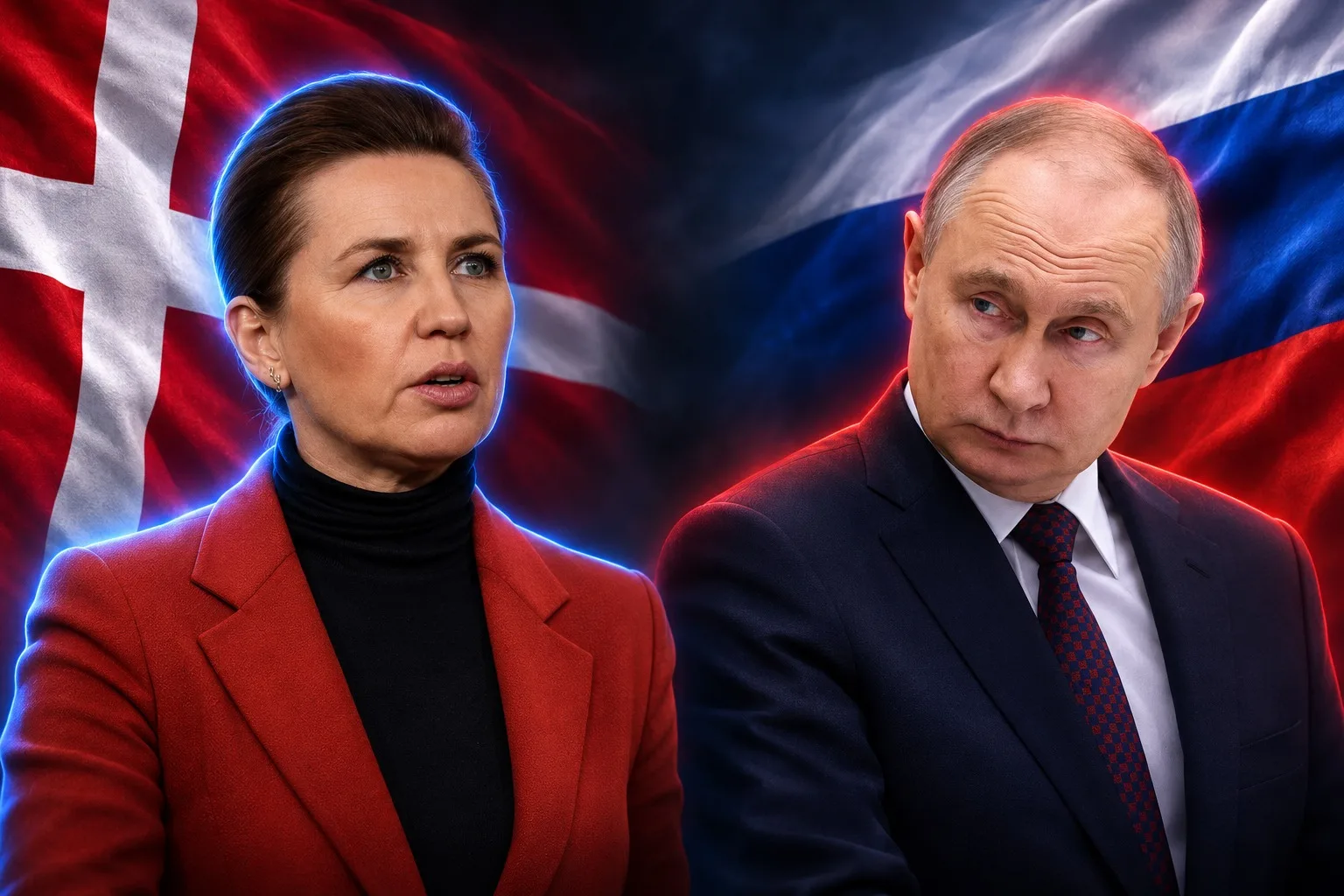
The Director of National Intelligence of the United States, Jay Clayton, stated that the Russian president, Vladimir Putin, is not an ally of Washington in the Ukraine conflict, although he defended that Donald Trumpuses a cordial tone to engage with him in the context of negotiations between the world's major nuclear powers.
''He is not a friend of the United States in Ukraine. Not at all,'' Clayton declared during an interview on Sunday. His statements sought to establish a distinction between the personal diplomacy that Trump promotes and the strategic position of the U.S. government regarding Moscow's actions.
When asked about the recent expressions from the president, who described Putin as a friend, the official considered that such characterization was appropriate within the context of the conversations held between the leaders of the United States, Russia, and China during the summit held last week on Chinese territory.
The director of National Intelligence, Jay Clayton, assured that the United States and Russia are not friends in Ukraine
Clayton's explanation aims to show that maintaining a constructive diplomatic link with a strategic adversary does not mean sharing its goals or endorsing its decisions. On the contrary, direct contact between the leaders of the three major nuclear powers may be necessary to manage international tensions and prevent an escalation that jeopardizes global security.
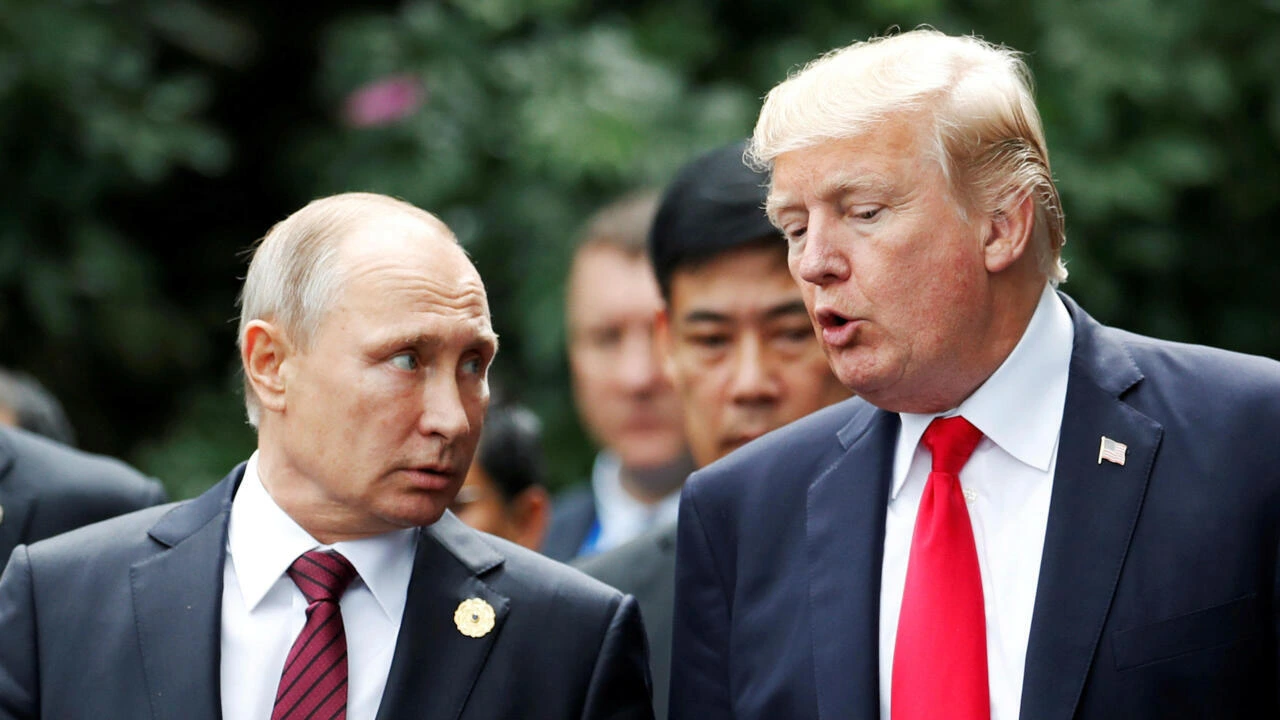
Trump defended on Thursday his decision to refer to Putin in friendly terms, highlighting the importance of maintaining a cooperative relationship with a country that possesses a huge nuclear arsenal.
''It's nice to have people who have 4,000 nuclear weapons as friends instead of enemies,'' the president stated. The phrase reflected his pragmatic approach to international relations, based on the need to keep communication channels open even with governments that have deep differences with Washington.
The American president stressed the importance of maintaining a cordial strategy within the diplomatic framework.
The war in Ukraine remains the main point of conflict
Clayton's statements come as the large-scale Russian invasion of Ukraine continues, which began in February 2022. Since then, Moscow's forces have occupied approximately one-fifth of Ukrainian territory, and the Kremlin has shown no signs of abandoning its main territorial demands.
One of the biggest obstacles to reaching a peace agreement is Putin's insistence that Ukraine cede the entire eastern region of Donbas. This condition represents a central point of disagreement with Kiev and complicates the diplomatic efforts promoted by Washington.
The position expressed by the Director of National Intelligence makes it clear that the Trump administration does not confuse the need to negotiate with Russia with an acceptance of its military objectives. The U.S. government maintains the assessment that Moscow represents a strategic challenge in Ukraine, regardless of the tone used in presidential conversations.
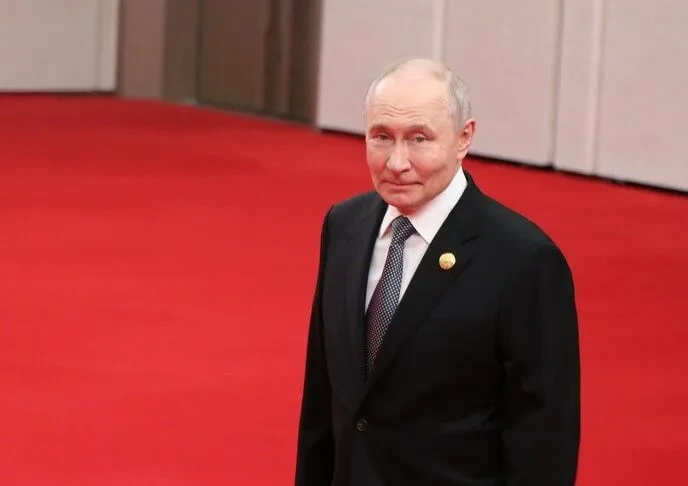
Vladimir Putin continues to claim the eastern Donbas region as a concession to advance a peaceful solution to the war in Ukraine