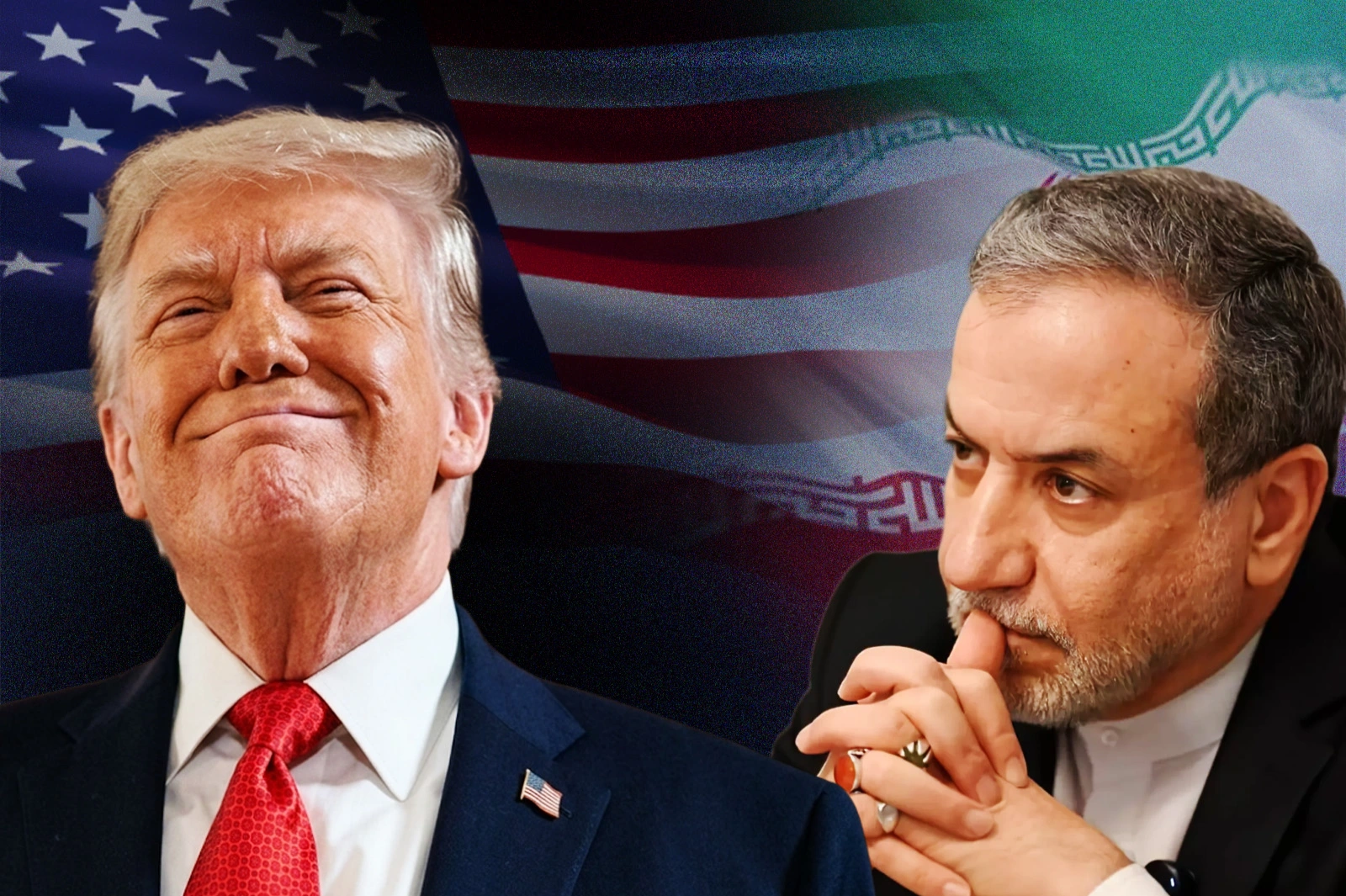

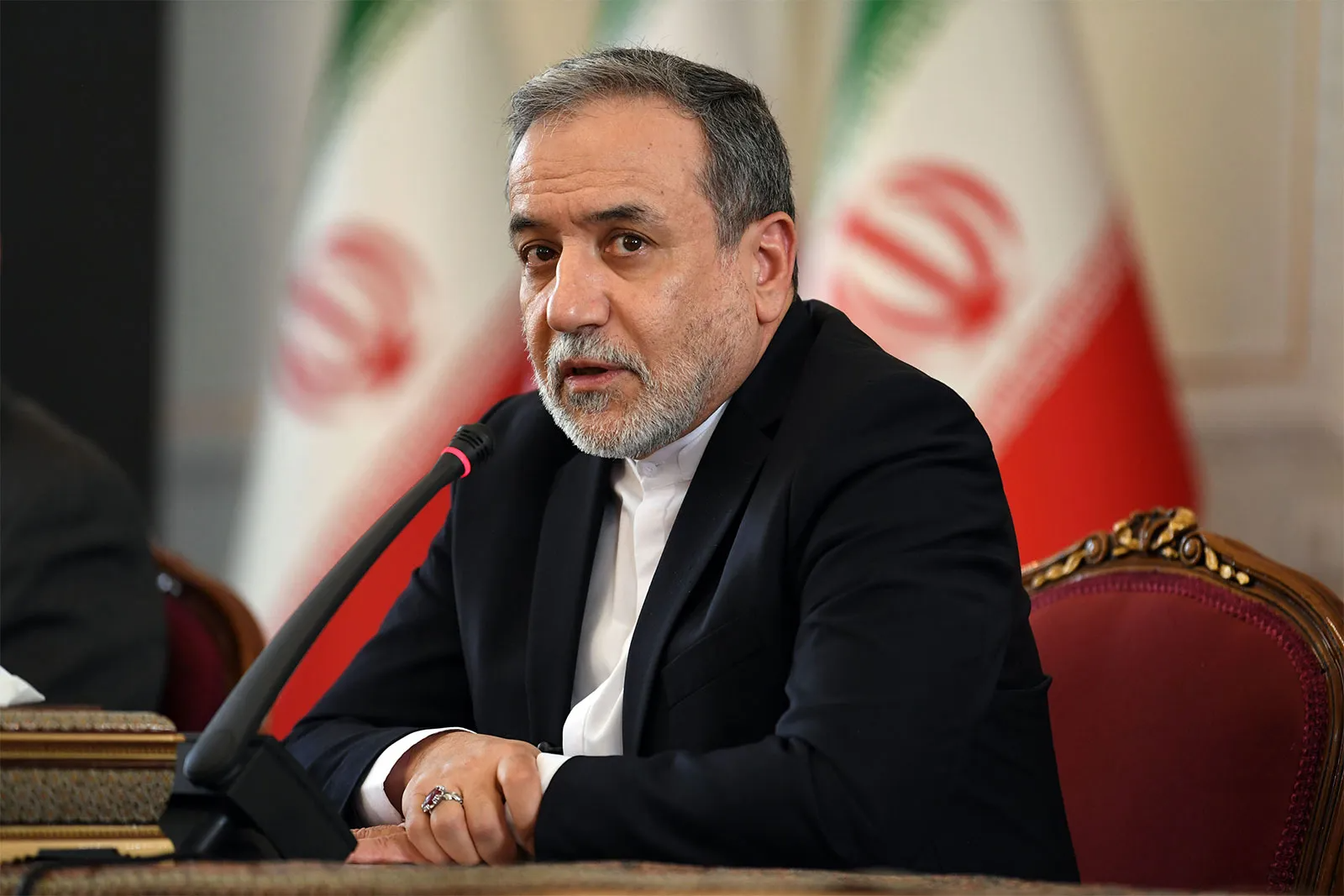
Iran continues its defiant stance vis-a-vis the United States, refusing to enter into direct negotiations to end the war in the Persian Gulf, although it has shown a certain willingness to consider proposals through mediators, Iranian Foreign Minister Abbas Araqchi said on Wednesday. The refusal persists despite international pressure and the damage suffered by the US and Israeli military campaign on Iranian territory
.Araqchi clarified on state television that message exchanges through intermediaries “do not mean negotiations with the United States.” He noted that ideas transmitted through third parties were reviewed by Iran's senior authorities and that, if necessary, an official position would be announced. In addition, Iran has conditioned any ceasefire on the inclusion of Lebanon in talks with Washington and Israel, further complicating any agreement
.US President Donald Trump said that Iranian leaders “desperately want an agreement, but are afraid to say so out of fear of retaliation from their own people or the United States.” The US proposal, sent through Pakistan, contemplates 15 points that include the elimination of highly enriched uranium, the suspension of nuclear production, restrictions on the ballistic missile program and the interruption of funding to regional allies, according to Israeli cabinet sources. The White House, however, declined to provide details and warned that it will intensify attacks if Iran does not recognize its military defeat
.
Israel remains skeptical of the Iranian willingness to accept the terms and has expressed concern that the United States will make concessions. The country demands that any agreement preserve its right to carry out preventive attacks. This mistrust reflects the regional perception that Iran operates in an unpredictable and aggressive manner, increasing pressure on Washington and Tel Aviv to maintain military response capacity