
La Derecha Diario logo
ESX logoInstagram logoYouTube logoTikTok logoFacebook
ARGENTINABOLIVIAECUADORISRAELMEXICODERECHA DIARIO TV
  • ES
    XInstagramYouTubeTikTokFacebook
  • DERECHA DIARIO TV
  • Secciones
  • ARGENTINA
  • BOLIVIA
  • ECUADOR
  • ISRAEL
  • MEXICO
  • URUGUAY
  • Países
  • La Derecha Diario logoLA DERECHA DIARIO
  • La Derecha Diario México logoLA DERECHA DIARIO MÉXICO
  • La Derecha Diario Uruguay logoLA DERECHA DIARIO URUGUAY
  • La Derecha Diario Ecuador logoLA DERECHA DIARIO ECUADOR
  • La Derecha Diario Israel logoLA DERECHA DIARIO ISRAEL
  • La Derecha Diario Estados Unidos logoLA DERECHA DIARIO ESTADOS UNIDOS
  • Temas
  • GUERRA EN IRÁN
  • El Diario
  • QUIENES SOMOS
  • AUTORES
  • PUBLICIDAD
  • DONAR

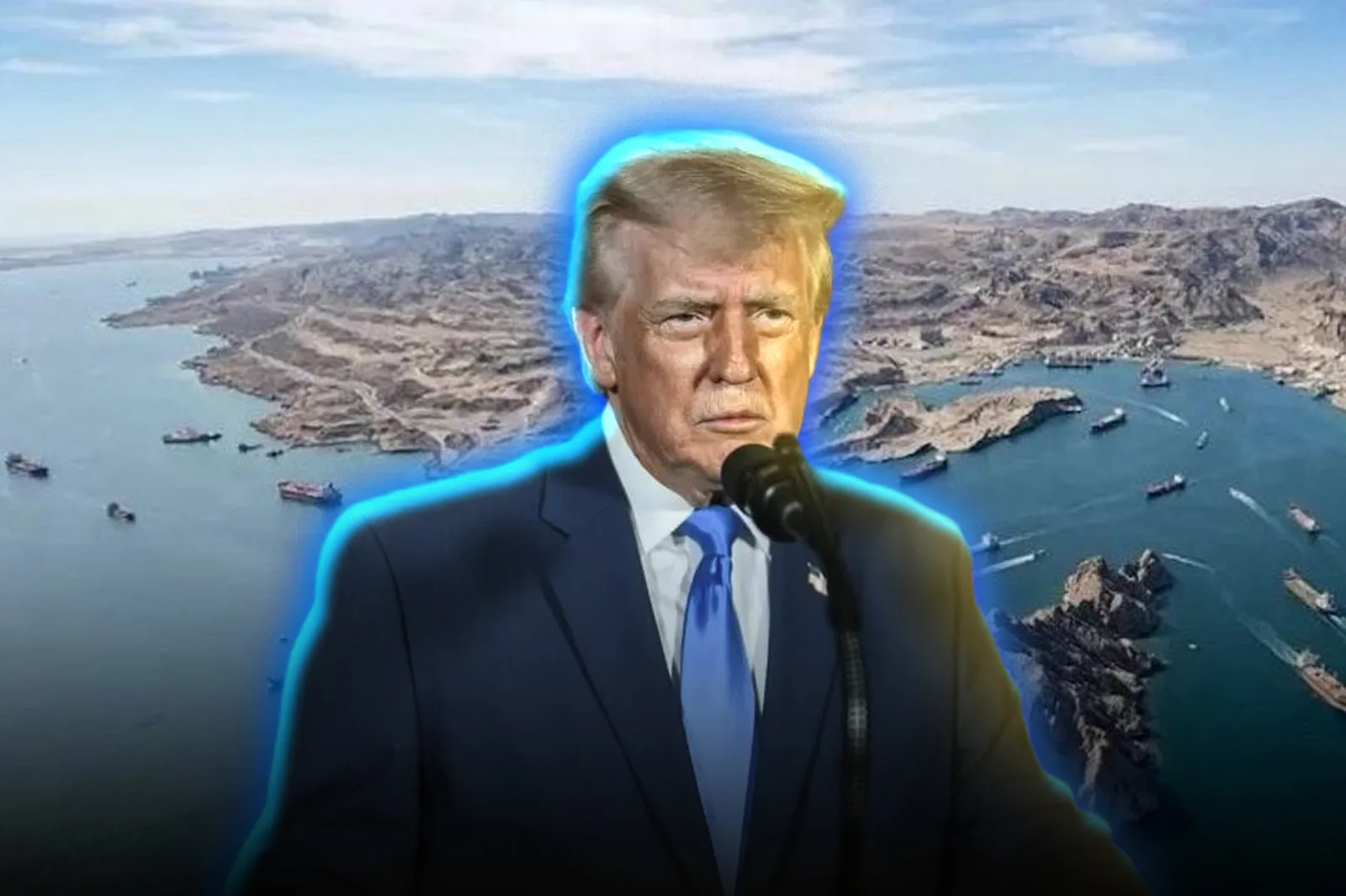
Trump's success: maritime traffic in Hormuz quadrupled thanks to the alternative route under US military control

Trump's success: maritime traffic in Hormuz quadrupled thanks to the alternative route under US military control
Imagen de Editorial Team
porEditorial Team
Estados Unidos

The U.S. president's plan has managed to stabilize oil supply and has caused crude prices to fall

NuevoAgregar La Derecha Diario en
Compartir:

President Donald Trump's plan to reopen the Strait of Hormuz is yielding results, with commercial navigation showing clear signs of a return to normal operations.

Maritime data reveals that ship traffic through this strategic waterway has more than quadrupled over the past week, as shipping companies cautiously resume their voyages through the Persian Gulf and rely on the military escort and surveillance plan implemented by Trump.

According to Signal, a maritime intelligence platform, the number of traceable routes entering and exiting the Gulf increased from just one or two ships for most of the conflict to eight vessels by July 1, based on a seven-day moving average. However, it is believed that up to 40 ships per day are transiting with their transponders turned off and are being escorted by the U.S. military to protect them from any Iranian attack.
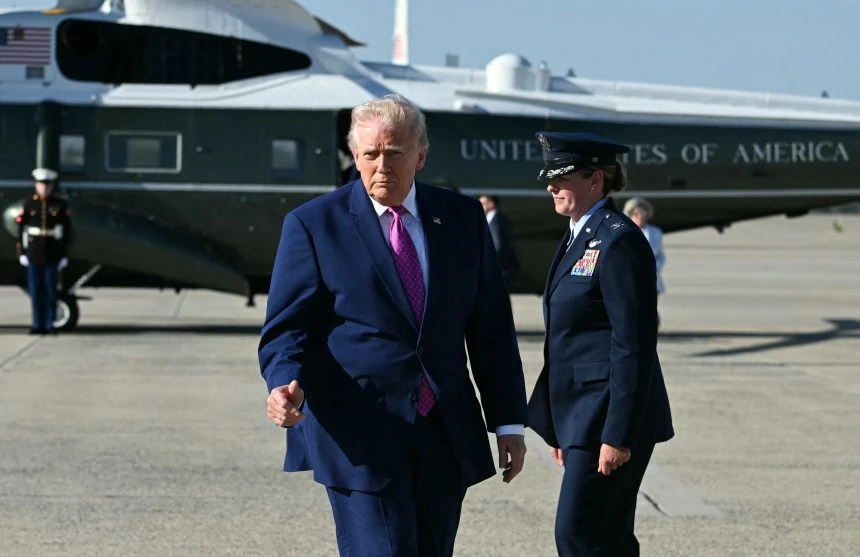
Trump's success: maritime traffic in Hormuz quadrupled thanks to the alternative route under US military control

Positive signals in the markets

The increase in navigation is having an immediate impact on global energy markets. The price of Brent crude has returned to pre-war levels, and market experts now believe that the worst supply shortage scenarios have been avoided. Additionally, most of the tankers that were stranded offshore due to the war have now managed to leave this waterway.

Another immediate effect of this reopening of the strait is that the cost of marine insurance has drastically decreased, meaning that for shipping companies, the cost of transporting oil through the Gulf no longer involves astronomical expenses that would then be passed on to consumers. Thus, war risk premiums have dropped to about 2% of the vessel's value, down from 7% recorded before the ceasefire took effect.

Meanwhile, spot freight rates for very large crude carriers (VLCCs) transiting the Hormuz route, which reached as high as $500,000 per day during the peak of military tension, now cost approximately $294,000 per day as more ships become available and operators perceive that everything is returning to normal.
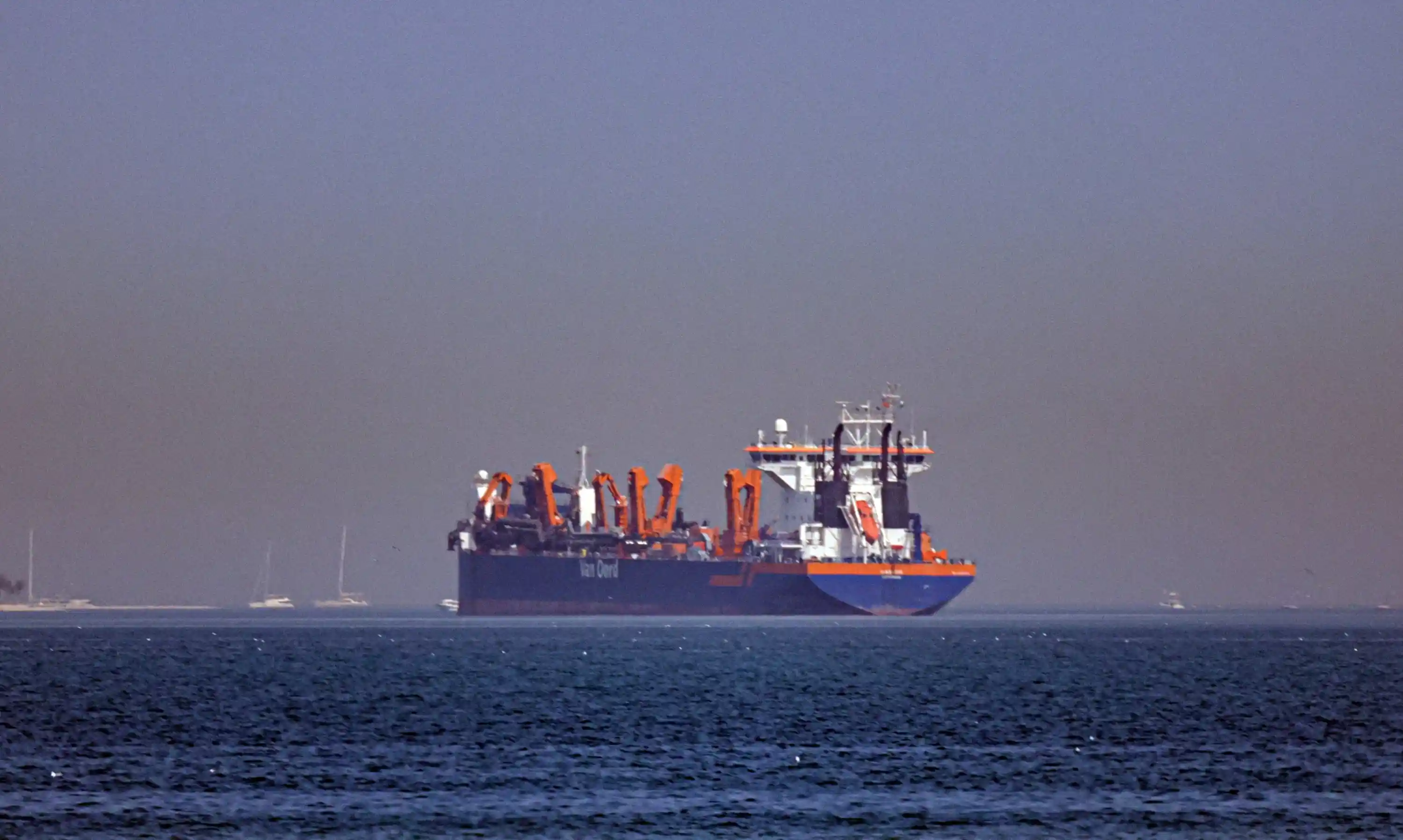
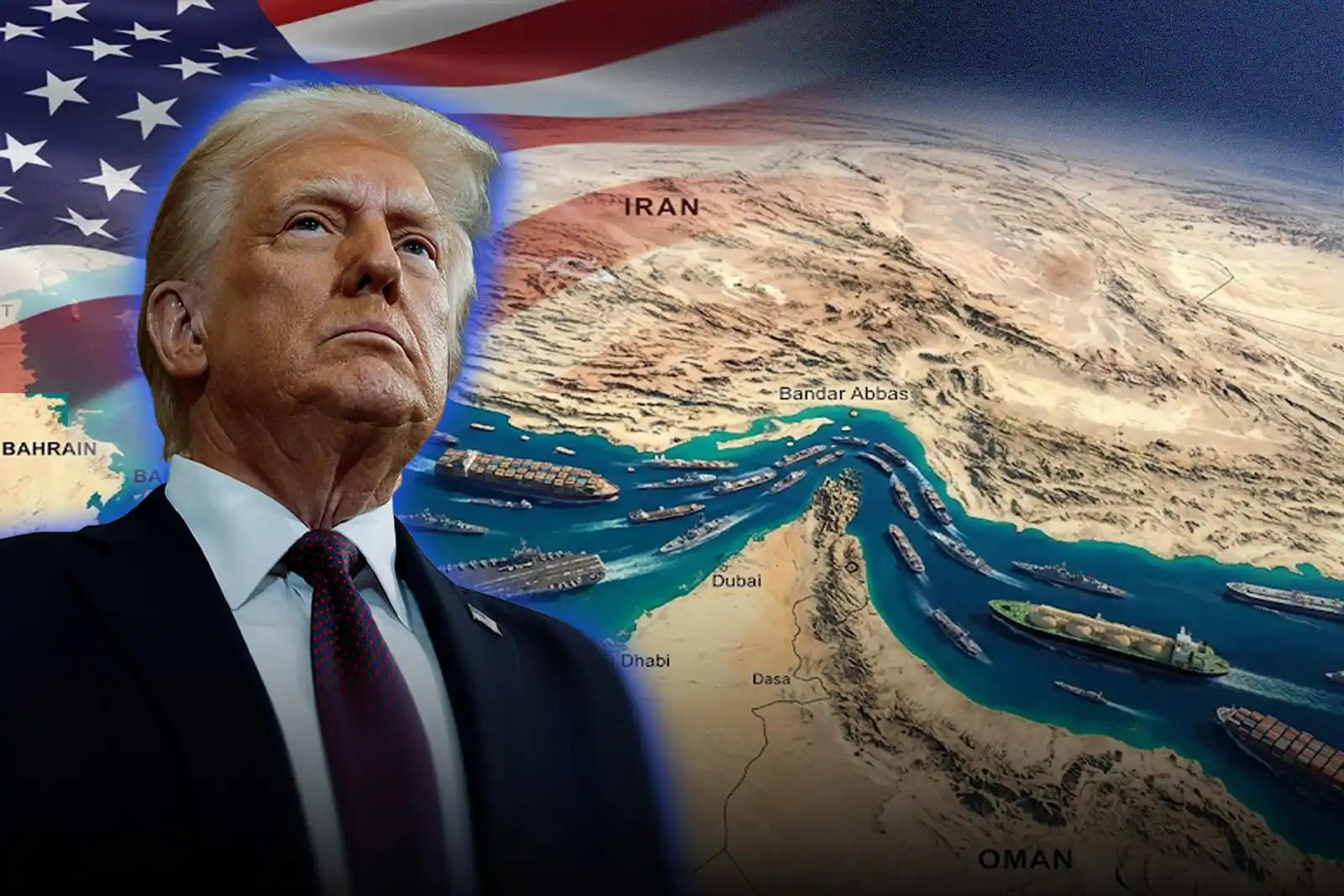
Most ships transit through the U.S. route

The Iranian threat persists

Despite these improvements, significant dangers persist in the region. The International Maritime Organization estimated that, during the conflict, the Iranian regime placed about 80 naval mines in the strait that have not been fully removed, preventing the complete reopening of the two main international navigation routes.

Instead, commercial vessels are relying on alternative routes. Some ships—mainly those flying Chinese and Russian flags—are using a route that requires approval from the Islamic Revolutionary Guard Corps, while most navigate closer to Oman's territorial waters under U.S. surveillance and control.

Iran is using the truce to accelerate its exports and intends to finance the country's reconstruction by charging a kind of toll to any vessel that uses its designated route in the Hormuz area, a measure that Trump has firmly rejected and reiterated on several occasions that he will not allow to be implemented.

Trump implemented a military escort and surveillance plan within Hormuz


La Derecha Diario logo
TwitterInstagramYouTubeTikTokFacebook
Derecha Diario TV

Nosotros

  • Quienes Somos
  • Autores
  • Donar

Privacidad

  • Protección de datos
  • Canales
  • Sitemap
  • RSS

Contacto

  • info@derechadiario.com.ar
PUBLICIDAD

Noticias relacionadas

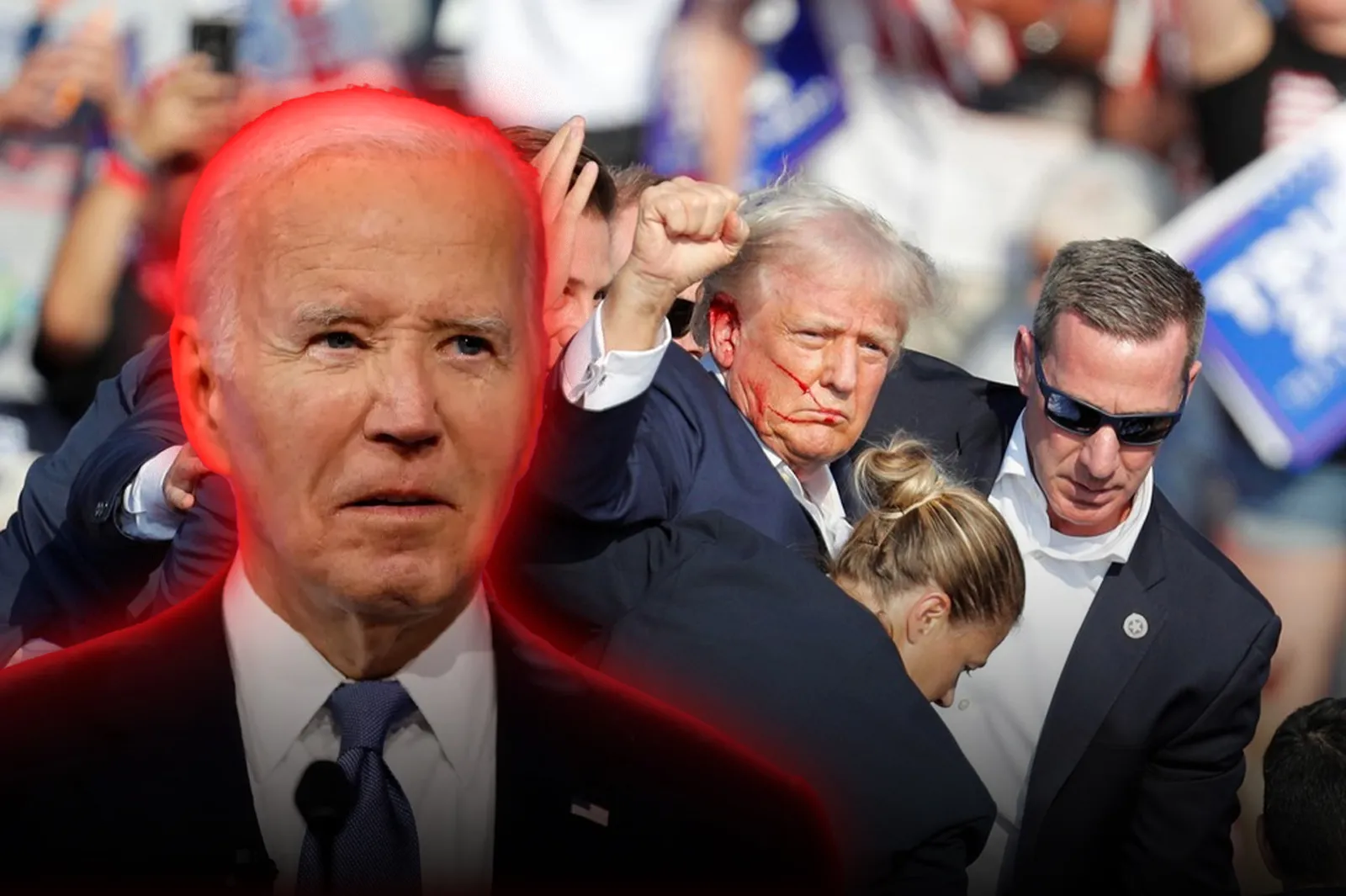
A report revealed that Biden's Secret Service ignored 102 police alerts before the attack on Trump in 2024

A report revealed that Biden's Secret Service ignored 102 police alerts before the attack on Trump in 2024

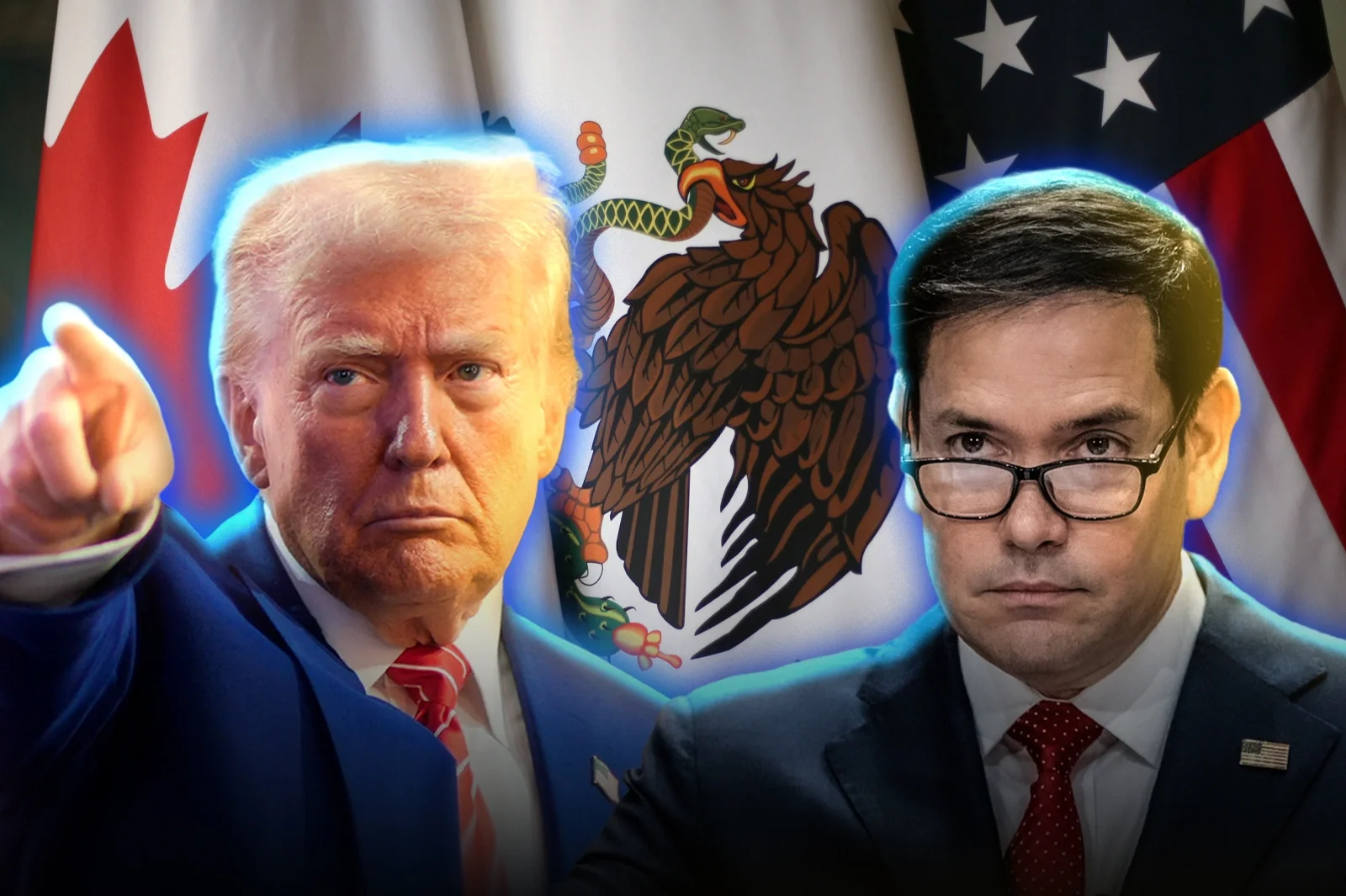
The government of Donald Trump announced that it will not renew the historic trade agreement with Mexico and Canada

The government of Donald Trump announced that it will not renew the historic trade agreement with Mexico and Canada

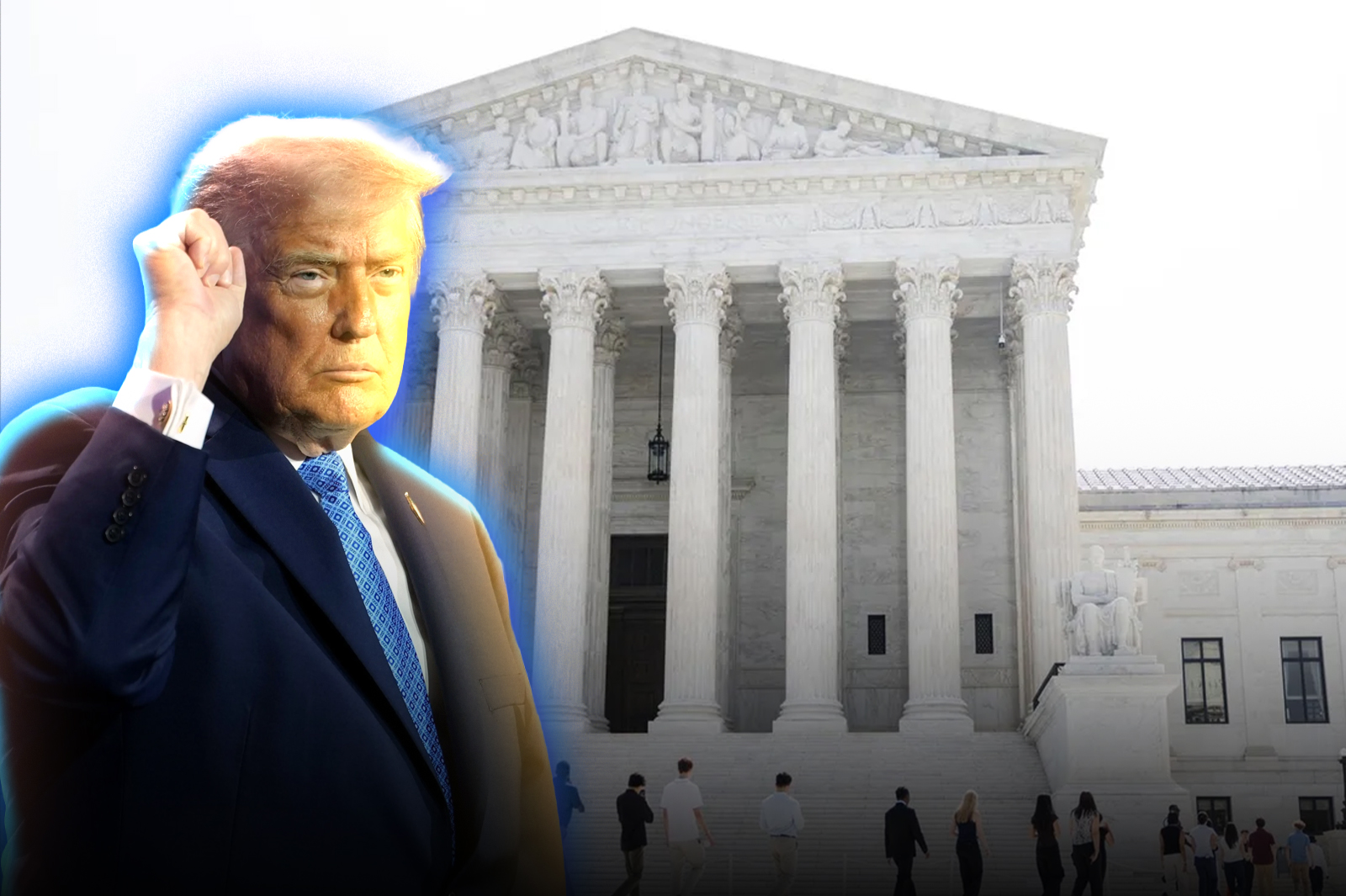
Trump already has a list of pre-selected judges for the Supreme Court in case a vacancy opens up

Trump already has a list of pre-selected judges for the Supreme Court in case a vacancy opens up

The Central Bank acquired USD 100 million for its reserves

The Central Bank acquired USD 100 million for its reserves

Attentive Scaloni: Egypt defeated Australia on penalties and will be the possible rival of the Argentine National Team in the round of 16

Attentive Scaloni: Egypt defeated Australia on penalties and will be the possible rival of the Argentine National Team in the round of 16

The JNE officially proclaimed Keiko Fujimori as the elected president of Peru

The JNE officially proclaimed Keiko Fujimori as the elected president of Peru