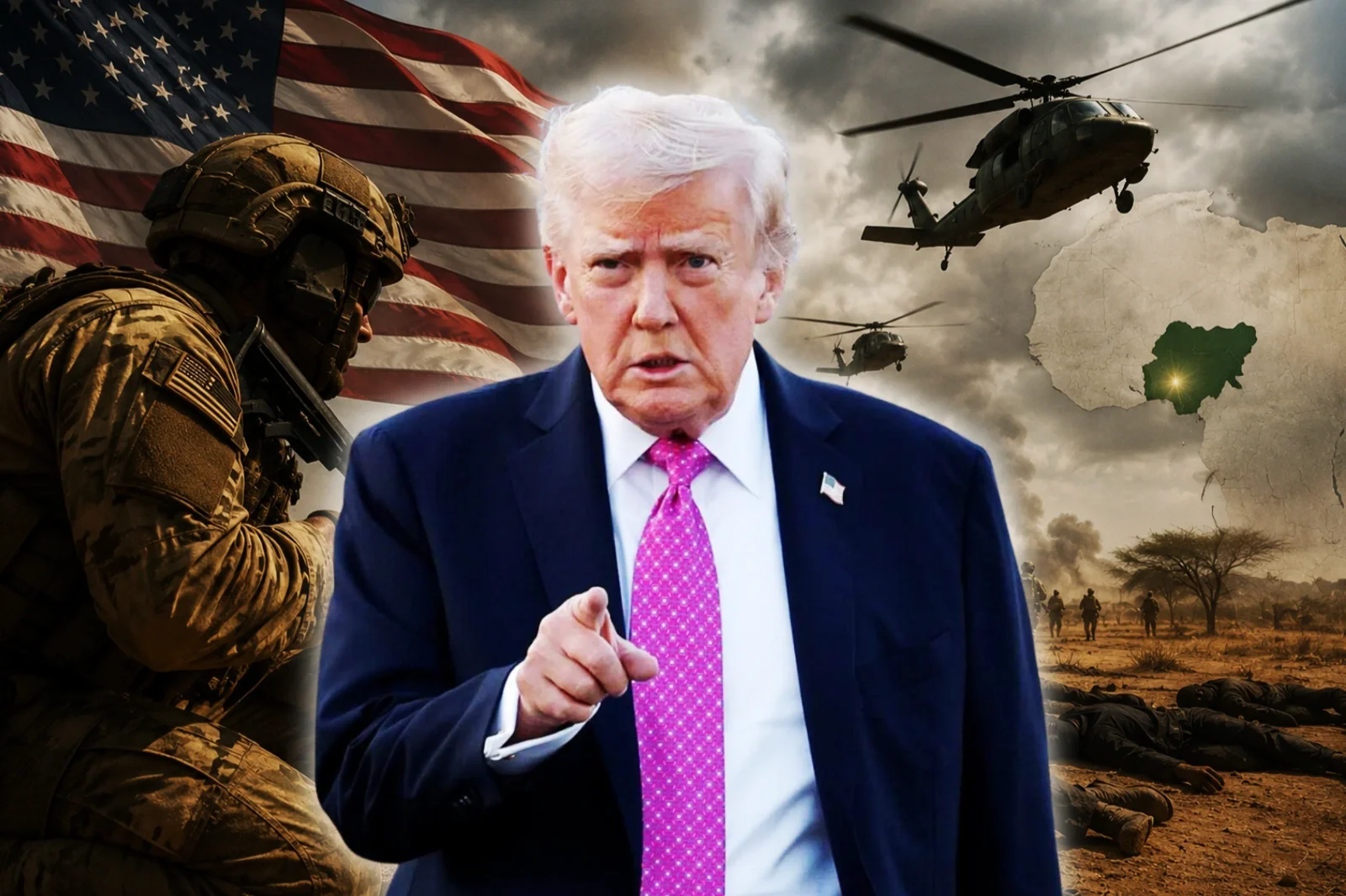
A joint military offensive between forces from Nigeria and the United States, driven by the anti-terrorism policy of the government of Donald Trump, successfully eliminated 175 members of the Islamic State in the northeast of the African country, a significant blow against the structure of the extremist group.
The Defense Headquarters of Nigeria (DHQ) confirmed the results of the airstrikes through a statement released this Tuesday.
There, the Director of Defense Information, Major General Samaila Uba, detailed that the operations were conducted in coordination with the United States Africa Command and were aimed at strategic positions of ISIS and its regional affiliate, the Islamic State West Africa Province (ISWAP).
President Donald Trump.
According to military authorities, the bombings took place over several days and allowed for the dismantling of key infrastructure of the terrorist group.
Among the destroyed targets were checkpoints, weapons depots, logistics centers, military equipment, and financial networks used to sustain insurgent operations in the region.
The operation takes place following the visit of Pope Leo to Africa, where he visited Algeria, Cameroon, Angola, and Equatorial Guinea, touring numerous Islamic communities, but without offering any support to Christians persecuted by terrorism in the region.
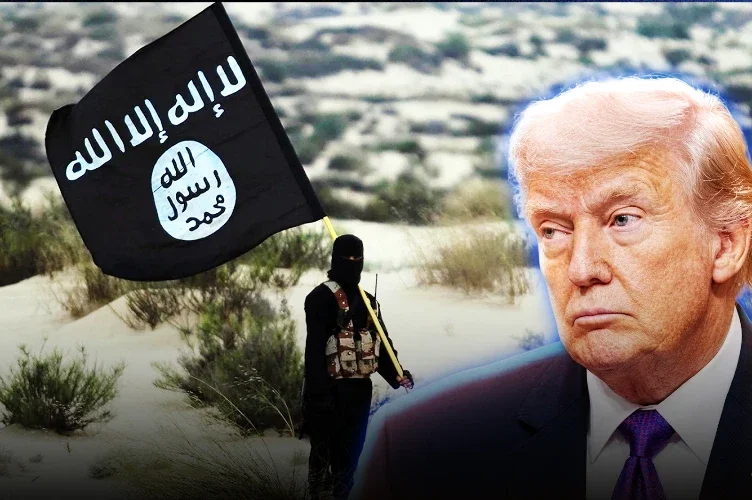
Trump and ISIS.
Elimination of high-ranking ISIS leaders
The official report also highlighted the elimination of high-ranking figures within the organization. Among them is Abu-Bilal al-Minuki, one of the main operatives of ISIS globally. According to the statement, al-Minuki played a central role in the international structure of the group, with responsibilities in financing, recruitment, logistics, and attack planning.
“His death severely disrupts ISIS command, operational coordination, and external attack networks,” stated the Defense Headquarters, emphasizing the strategic impact of the operation on the terrorist organization.
In addition to al-Minuki, military forces reported the neutralization of other relevant ISWAP leaders. Among them are Abd-al Wahhab, identified as the coordinator of attacks and responsible for the group's propaganda; Abu Musa al-Mangawi, another prominent member; and Abu al-Muthanna al-Muhajir, who held a key role in the production of media content and maintained a close relationship with ISIS leadership.
The Nigerian government emphasized that the results of these actions reflect the sustained commitment of the Armed Forces to combat terrorism throughout the national territory.
In this regard, the DHQ assured that operations will continue with the aim of locating and eliminating all groups and individuals that pose a threat to the country's security and regional stability.
The offensive is part of a broader strategy of international cooperation promoted by Trump to confront extremist organizations in Africa, where ISIS maintains an active presence through various affiliates.