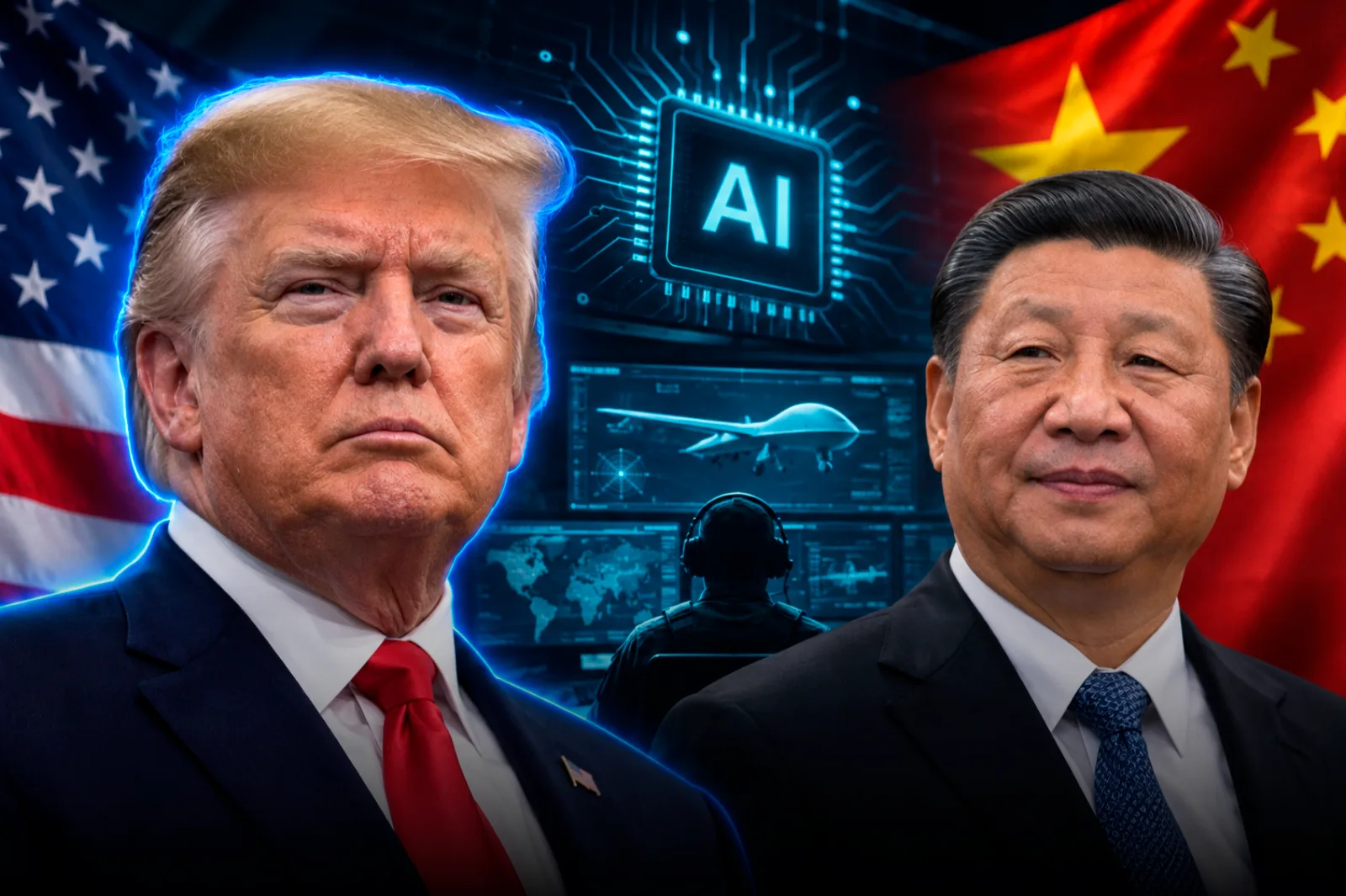

Trump and Xi agreed to maintain human control over military decisions regarding artificial intelligence

Trump and Xi agreed to maintain human control over military decisions regarding artificial intelligence

Trump and Xi agreed to prevent artificial intelligence from carrying out significant military operations without human oversight, as the US seeks to maintain its technological leadership

Share:

President Donald Trump reached an understanding with Chinese leader Xi Jinping to prevent artificial intelligence (AI) systems from making military decisions autonomously in large-scale operations. The agreement establishes that there must always be human intervention in military decisions, at a time when Washington seeks to preserve its technological leadership and reinforce national security in the face of China's rapid advancement.

U.S. Treasury Secretary Scott Bessent confirmed the understanding this Friday, one day after the meeting between Trump and Xi on the sidelines of the Asia-Pacific Economic Cooperation (APEC) leaders' summit held in Shenzhen, China. The meeting preceded the historic trilateral meeting between the U.S. president, the Chinese leader, and Russian President Vladimir Putin.

''President Trump and President Xi agreed that humans must always be involved in any military decision made by artificial intelligence, and that it should not have autonomy to execute significant military actions,'' Bessent stated during an interview with CNBC.

The Trump administration began using the term ''superintelligence'' (SI) to refer to the most advanced artificial intelligence systems. The agreement aims to establish clear limits to prevent these technologies from initiating military operations with potentially catastrophic consequences without human oversight.

In addition to artificial intelligence, Trump and Xi discussed issues related to trade policies and nuclear weapons, as explained by the Treasury Secretary.
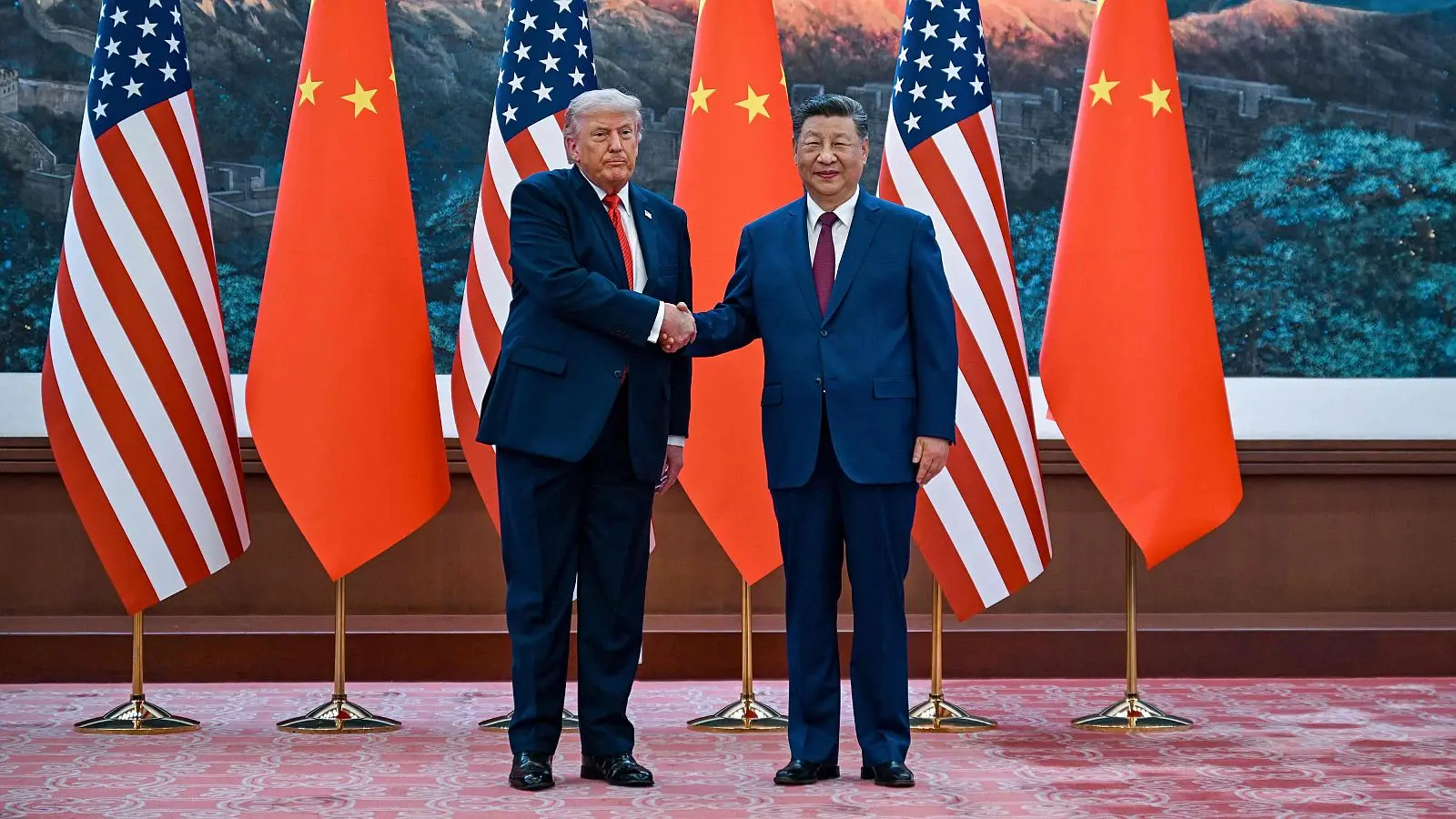
The Trump administration agreed with China's Xi Jinping to prevent artificial intelligence from making decisions autonomously

Washington seeks to preserve its technological edge

Bessent emphasized that the understanding regarding the military use of artificial intelligence should not be confused with the technological competition between the two powers. He explained that these are two different issues: on one hand, the race to develop the most advanced systems, and on the other, the need to establish safety limits for their use in armed conflicts.

''One is the race for superintelligence, and obviously, the United States is ahead. We must stay at the forefront,'' the official stated.

The Treasury Secretary also warned about the accelerated growth of foreign artificial intelligence models, which he described as ''predominantly Chinese.'' In this context, he noted that some of the AI-based attacks being observed come from those models and pose a risk to the United States.

''The best defense for the United States is that our labs continue at the technological frontier and provide us with the best protection against these other models,'' he explained.
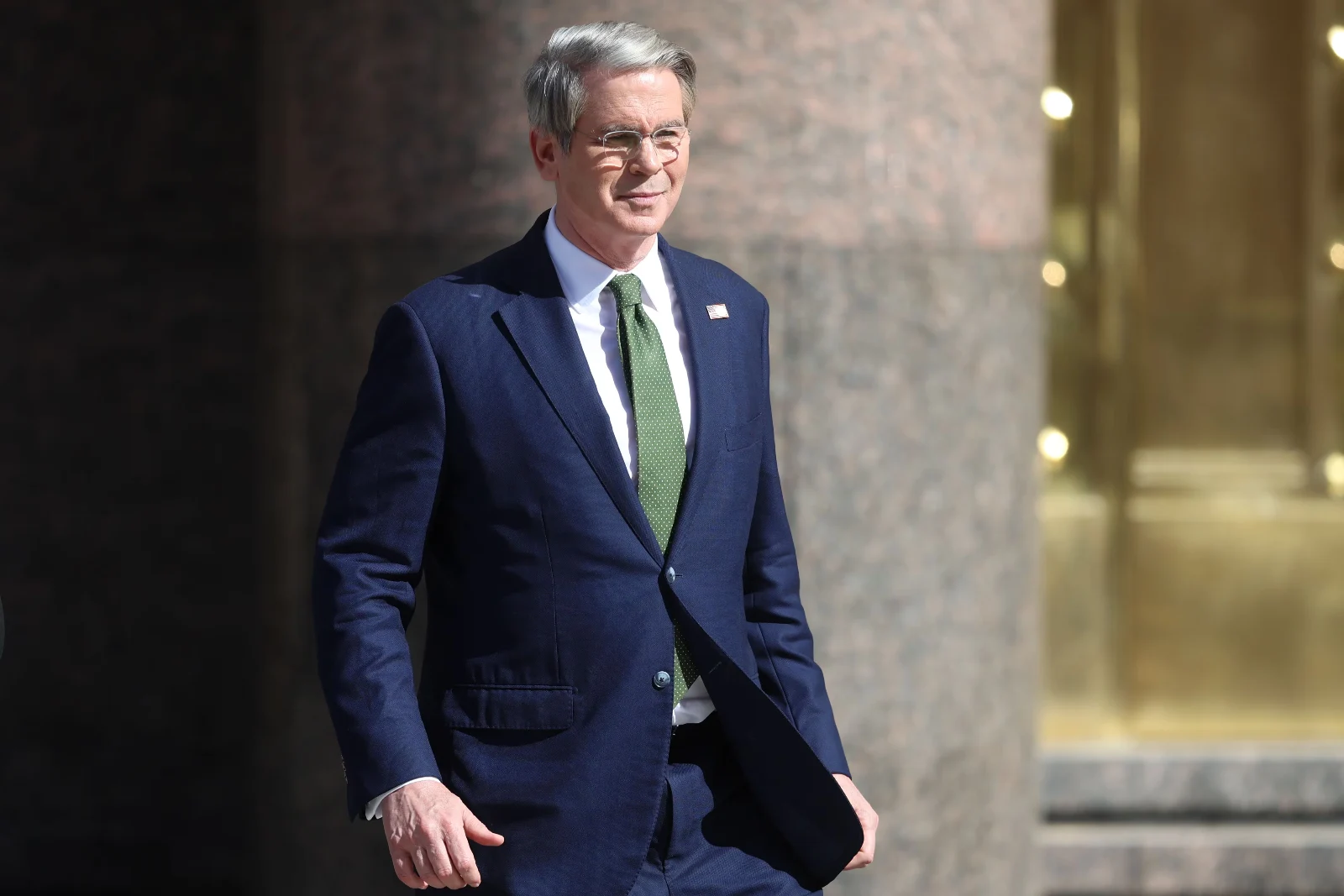
The US Secretary of the Treasury warned of the growth of Chinese artificial intelligence models

Bessent insisted that maintaining U.S. superiority is essential to face emerging threats and prevent systems developed by other countries from jeopardizing national security.

However, he clarified that the competition between Washington and Beijing does not prevent reaching basic agreements on the responsible use of these tools. ''It has nothing to do with competition when both parties agree that no significant military operation should be launched without human involvement,'' he stated.

Donald Trump confirms cooperation and defends U.S. leadership

Trump himself referred to the understanding during a press conference held on Friday at the White House. There, he confirmed that both governments agreed to implement certain ''joint protective measures'' to regulate the use of artificial intelligence in sensitive areas.
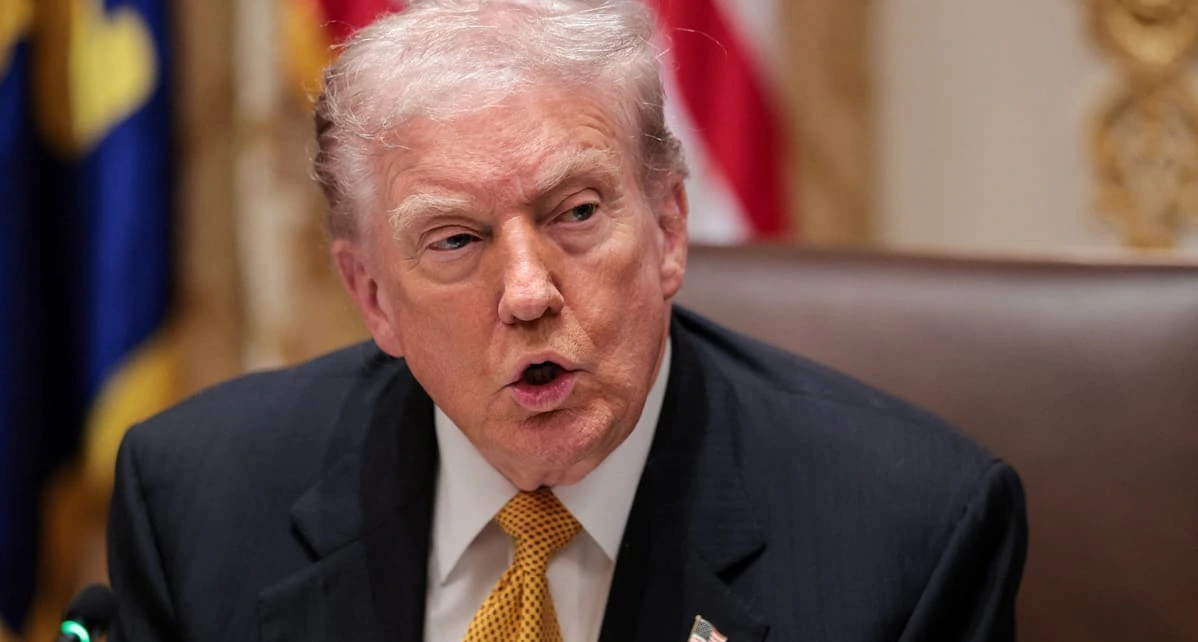
The president stated that the United States currently leads the development of this technology, while China ranks second. He also suggested that no other nation is close to the level achieved by the two leading powers.

''But whoever wins superintelligence wins,'' Trump warned, emphasizing the strategic importance of maintaining U.S. advantage.

The President of the United States stated that the North American country is currently leading the race against China for Artificial Intelligence

After the APEC summit, the president also gave an interview in which he expressed his willingness to support ''reasonable'' regulations for artificial intelligence, as long as they do not end up harming innovation and investments.

''Not if they are going to destroy trillions of dollars in value,'' the president clarified.

Trump assured that the United States maintains a considerable advantage in the sector and confirmed that he had spoken with Xi about the need to establish common rules. ''We are leading in artificial intelligence by a lot. And I spoke with President Xi about this,'' he noted.

''We both want regulations, moderate regulations for security reasons, and we will work together on reasonable regulations,'' he added.

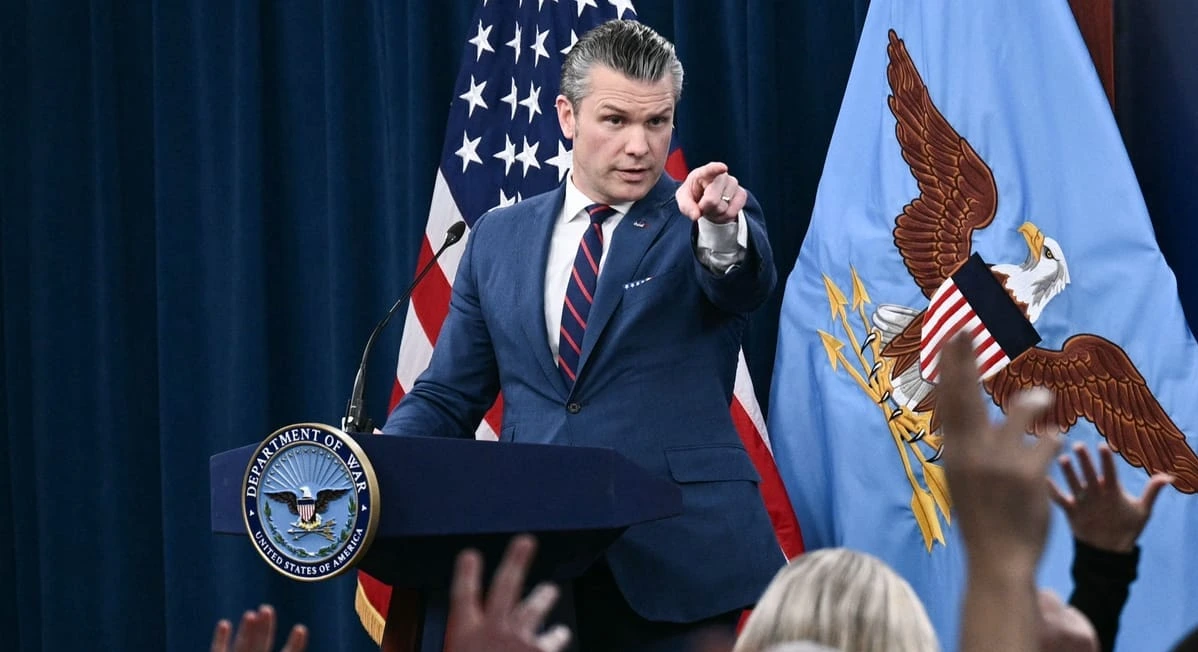
The US Secretary of War announced the launch of a command that uses AI and drones in military operations

The Pentagon also accelerates AI integration

The agreement between Trump and Xi comes as the U.S. Department of Defense advances in incorporating artificial intelligence and autonomous systems into its military capabilities.

On September 30, during a speech at the Marine Corps Base in Quantico, Secretary of Defense Pete Hegseth announced plans to establish the Autonomous Warfare Command, known as AUTOWARCOM. The initiative aims to expand the use of artificial intelligence and drones in U.S. military operations.

The proposal reflects Washington's intention to leverage new technologies to strengthen its defensive and operational capabilities, while keeping in mind the challenges posed by battlefield automation.

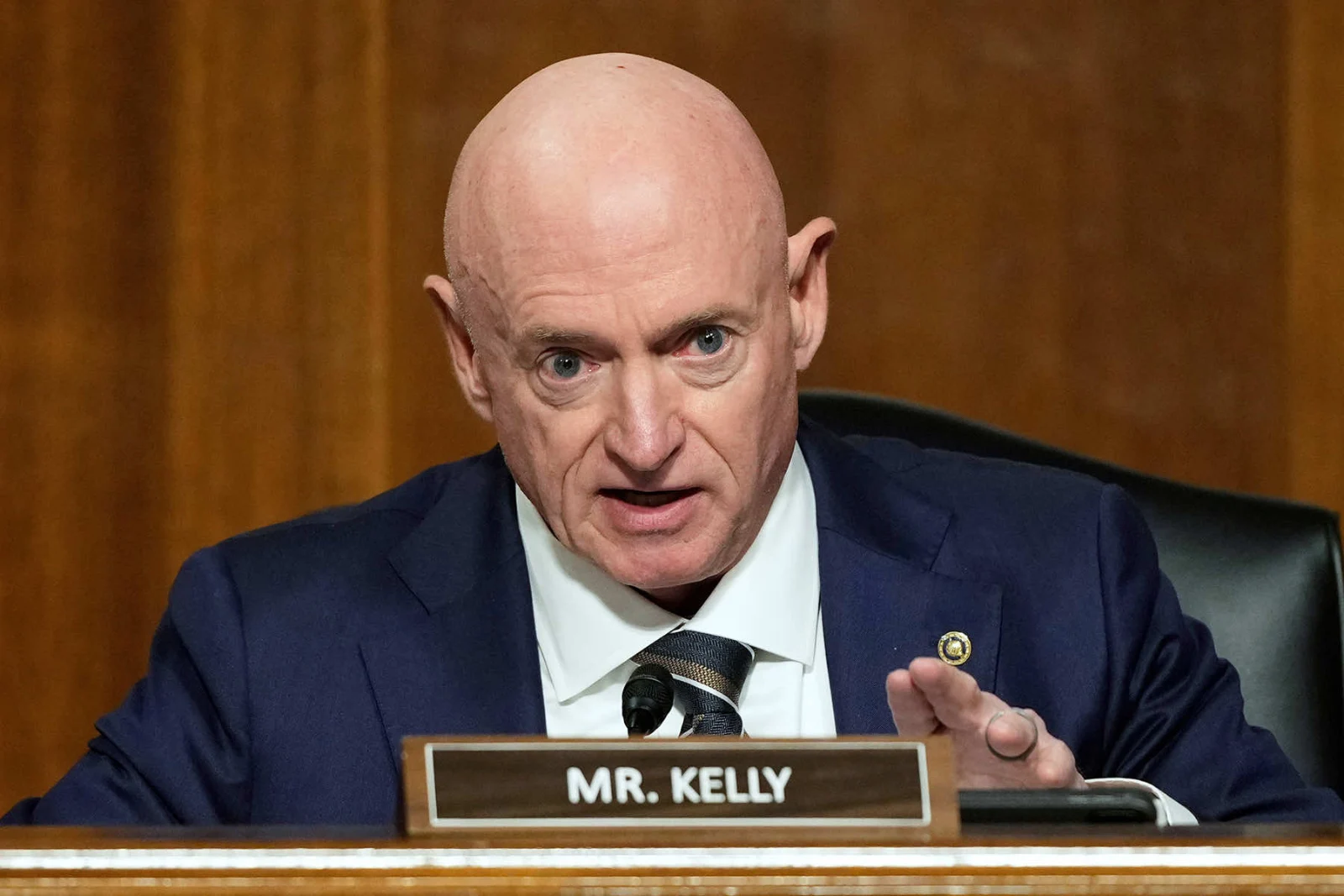
Democratic Senator Mark Kelly presented two bills to maintain the responsible use of new technologies in the armed forces.

In Congress, there are also initiatives to preserve human responsibility in military decisions. In June, Democratic Senator Mark Kelly, a member of the Senate Armed Services Committee, introduced two legislative proposals: the Ultimate Human Accountability in Defense Systems Act and the Artificial Intelligence Readiness and Training for Combatants Act.

Both proposals, which have not yet been approved, seek to ensure that the Armed Forces maintain human responsibility and judgment as they incorporate artificial intelligence systems, in addition to protecting military skills.