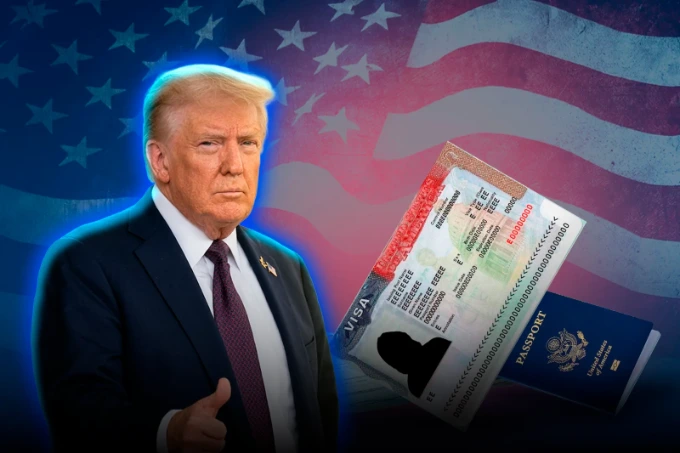
The U.S. State Department will make permanent the visa bond program that requires certain foreign citizens to deposit up to $20,000 to obtain business or tourist visas. The measure, pushed during the administration of President Donald Trump, aims to reduce the number of people who enter the country legally and subsequently remain beyond the authorized period.
The decision represents the consolidation of a 12-month pilot program that began in August 2025 and which, according to the State Department, produced compelling results in terms of immigration compliance. During the experimental phase, the maximum bond amount was set at $15,000. With the new regulation, the limit will be raised to $20,000.
The draft of the rule was published on July 31 in the Official Bulletin and is expected to be formally released on August 3. The regulation states that the deposited money can be recovered by visitors when their visa expires, provided they have complied with the established conditions and left the United States within the corresponding timeframe.
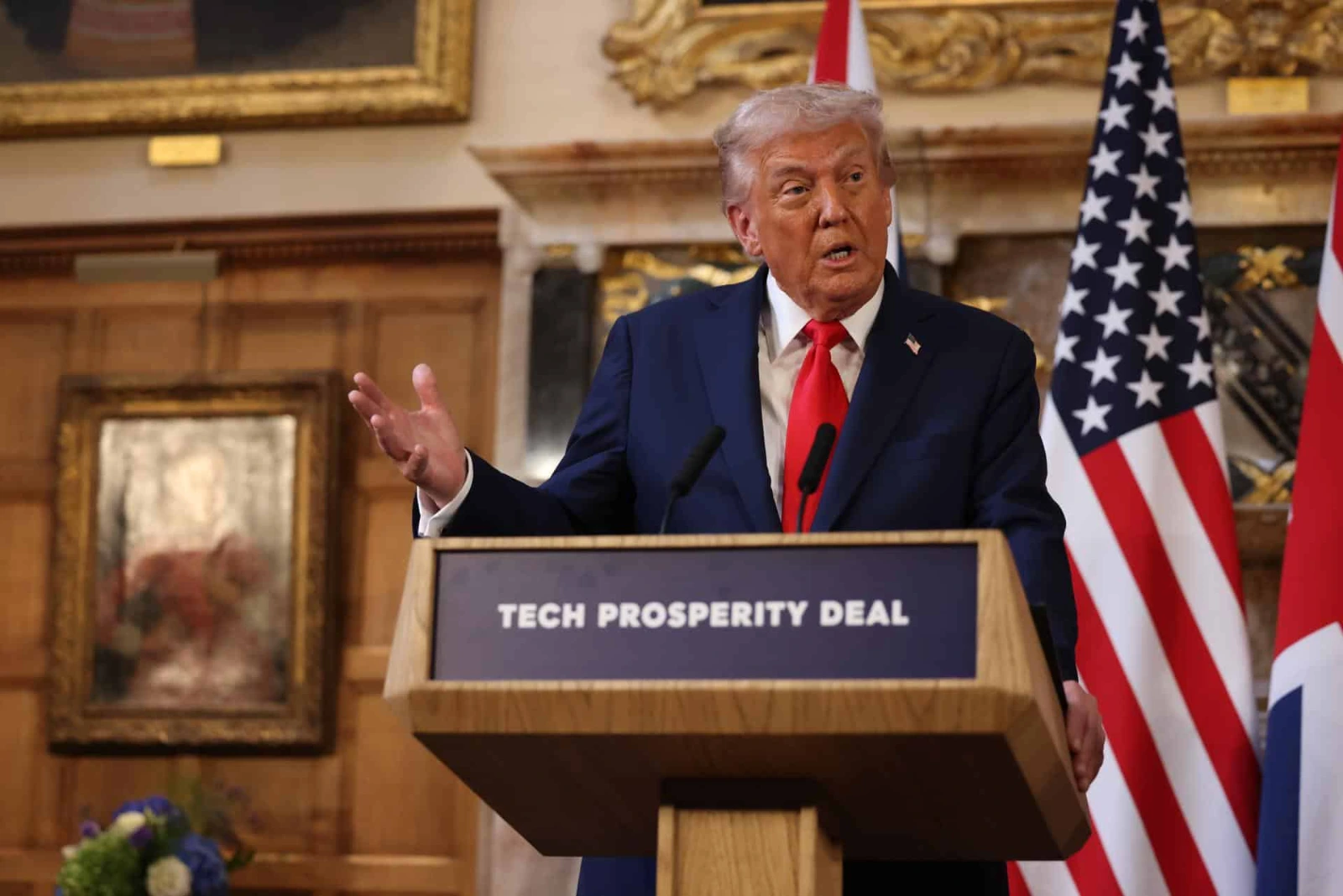
The Donald Trump administration will make the bail program permanent so that immigrants do not exceed legal stay limits in the country
One of the main arguments from the State Department for making the system permanent is the results recorded during the pilot program. Nearly 20,000 visa applicants were required to post a bond, a figure significantly higher than the approximately 2,000 people who were initially estimated to be subject to the requirement.
Additionally, nearly half of the applicants chose not to pay the bond. As a result, during the first ten months of the program, there was an 83% drop in the number of B1/B2 visas, primarily for business visitors and tourists, issued to citizens of the countries included in the initiative.
For the Trump administration, the reduction in applications and, especially, the decrease in cases of illegal stay reinforce the justification for the policy. The State Department noted that the program's data demonstrated its effectiveness in ensuring that bond-required visa holders complied with entry and exit conditions.
The State Department presented the results obtained from the pilot program as extremely positive
The results regarding so-called ''overstays'' are particularly significant. In 2024, around 45,488 citizens from the countries included in the program remained in the United States after their visas expired. In contrast, during the first ten months of the pilot program, fewer than 50 cases of people from those nationalities exceeding the authorized period were recorded, according to the official notification.
The list of affected countries includes 50 nations, including Algeria, Angola, Antigua and Barbuda, Bangladesh, Bhutan, Botswana, Cape Verde, Cambodia, Central African Republic, Cuba, Djibouti, Dominica, Ethiopia, Fiji, Mauritius, Nepal, Nicaragua, Nigeria, Tunisia, Turkmenistan, Uganda, Venezuela, Zambia, and Zimbabwe.
The U.S. government maintains that the mechanism does not constitute a ban on entry, but rather a tool to encourage compliance with visa conditions. Those who follow the rules and leave the United States on time will be able to recover their money.
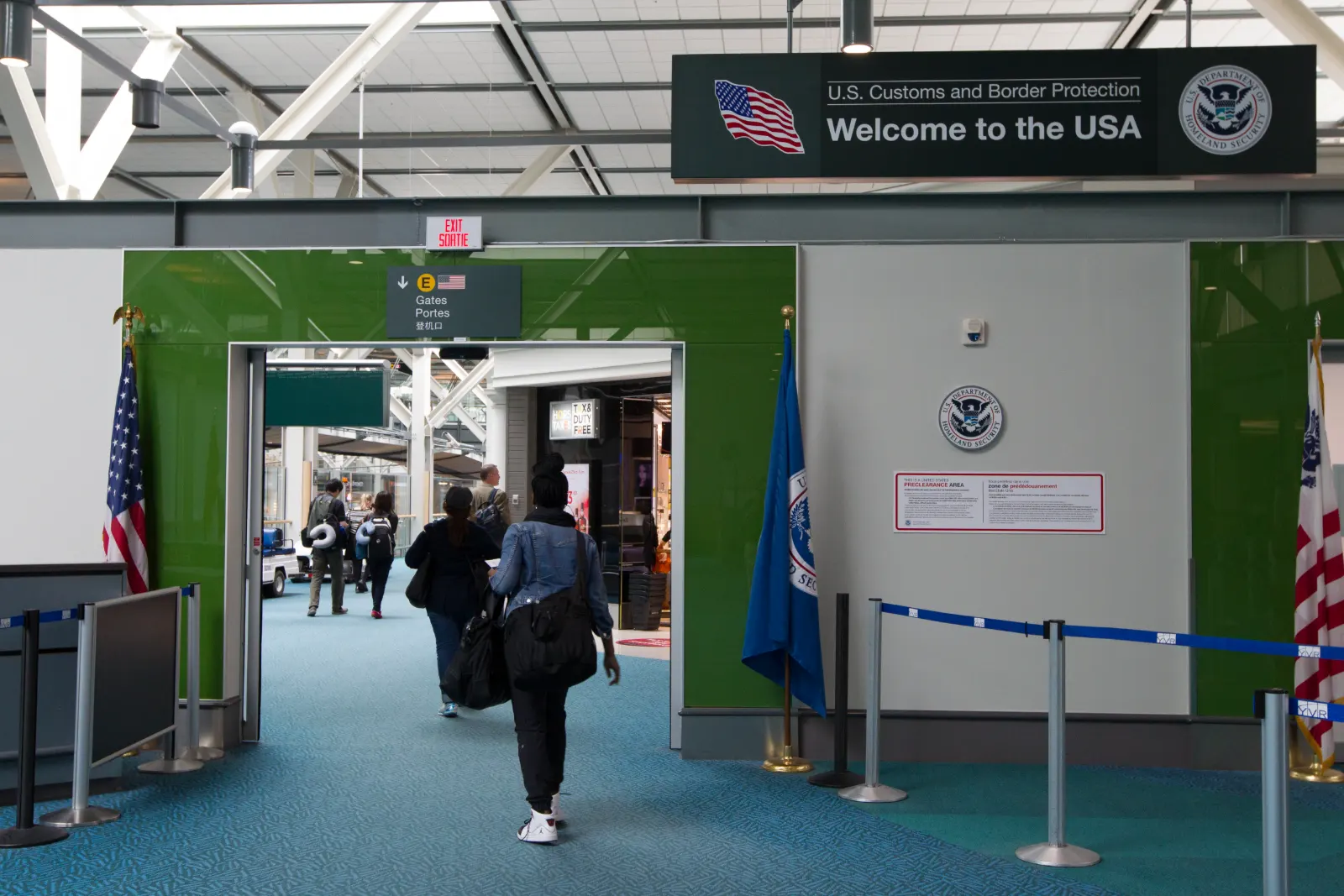
The mechanism driven by the republican government does not constitute a ban on entry to the United States
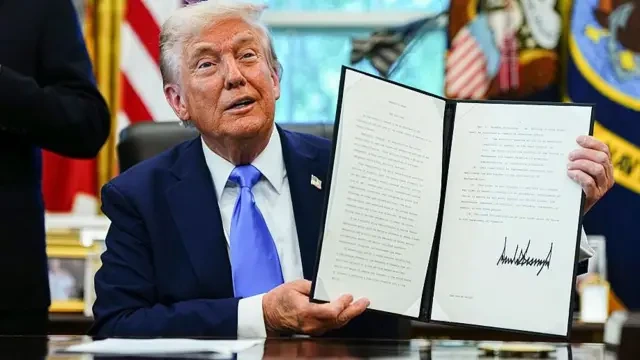
The measure is part of the broader immigration strategy promoted by Trump since his return to the White House. On January 20, 2025, the president signed an executive order instructing the Department of Homeland Security, the Department of Justice, and the State Department to take all necessary measures to enforce immigration laws and remove those who remain illegally in the country.
Trump then justified a stricter policy by stating that millions of foreigners had illegally crossed U.S. borders or had entered the country and subsequently settled in American communities despite existing federal laws.
The data from the pilot program, especially the significant reduction in cases of irregular stay, are presented by the State Department as evidence that deterrent measures can produce concrete results without preventing compliant visitors from recovering their money.
The strategy driven by the Trump administration is the most ambitious series of immigration measures in recent decades