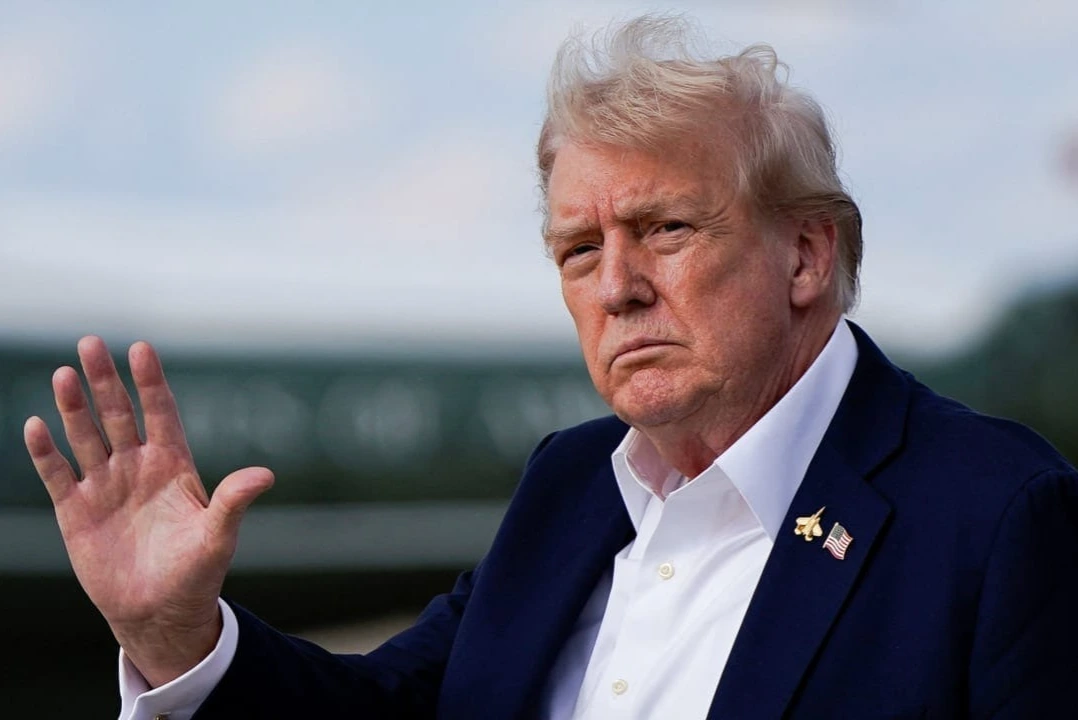
In a telephone interview with Fox News, Trump raised his tone again, warning: “If they don't make a deal, and quickly, I'm considering blowing everything up and taking control of oil.” Even so, the president maintained that he still believes it is possible to reach an understanding in the
short term.
In parallel, Iran has warned that any attack on its energy infrastructure will be met with “devastating” blows against installations in Gulf countries, increasing the risk of regional escalation.
Meanwhile, Oman confirmed the holding of talks with Iran to explore options to ensure free navigation in the strait. However, no significant progress has been reported so far
.
The situation remains highly volatile. With maritime traffic affected, cross-attacks underway and negotiations stalled, the next few hours will be decisive in determining if the crisis leads to a larger-scale direct confrontation or if there is still room
The crisis surrounding the Strait of Hormuz intensified this Sunday after new and strong warnings from the President of the United States, Donald Trump, who threatened to attack key infrastructure in Iran if Tehran does not reopen the strategic maritime route in the coming days.
In a message posted on his Truth Social network, Trump set a clear ultimatum: “Tuesday will be the day of power plants and the day of bridges, all in one, in Iran. There will be nothing like it. Open the damn strait, crazy, or you're going to live in hell — you'll see! —. Praise Allah!” . The president thus made it clear that, in the absence of progress, Washington could launch direct attacks against Iranian energy and transport infrastructure
.
The warning comes after repeated threats in recent days. On Saturday, Trump had already anticipated that he would unleash “hell” on Iran if a ceasefire was not reached or if the strait was not reopened within the established deadline, which had been extended twice before amid diplomatic attempts that, according to various sources, have
not achieved concrete progress. Strait of Hormuz
The Strait of Hormuz, about 33 kilometers at its narrowest point, is one of the most important maritime passages in the world: approximately one fifth of global oil transits through it. Since late February, Iran has restricted passage through attacks on vessels, in response to a joint military offensive by the United States and Israel aimed at weakening its nuclear and ballistic capabilities