The tensions between Israel and Iran escalated again after Israel significantly increased its military preparedness in anticipation of a possible resumption of direct confrontations with the Islamic Republic.
The defense system raised its alert status to the highest operational level, amid new intelligence assessments warning that an attack on Iranian targets could occur at any moment.
The measure reflects the growing strategic coordination between Jerusalem and Washington, as the administration of U.S. President Donald Trump maintains strong pressure on Tehran to curb its military and nuclear activities.
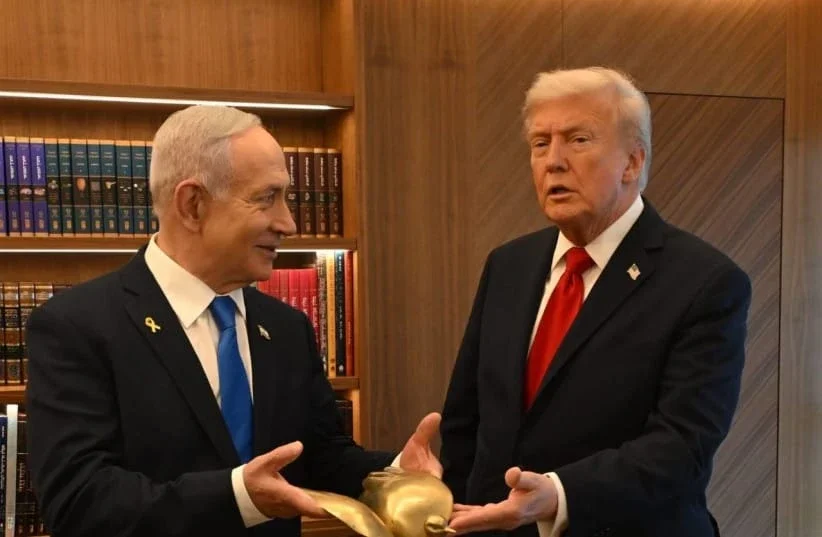
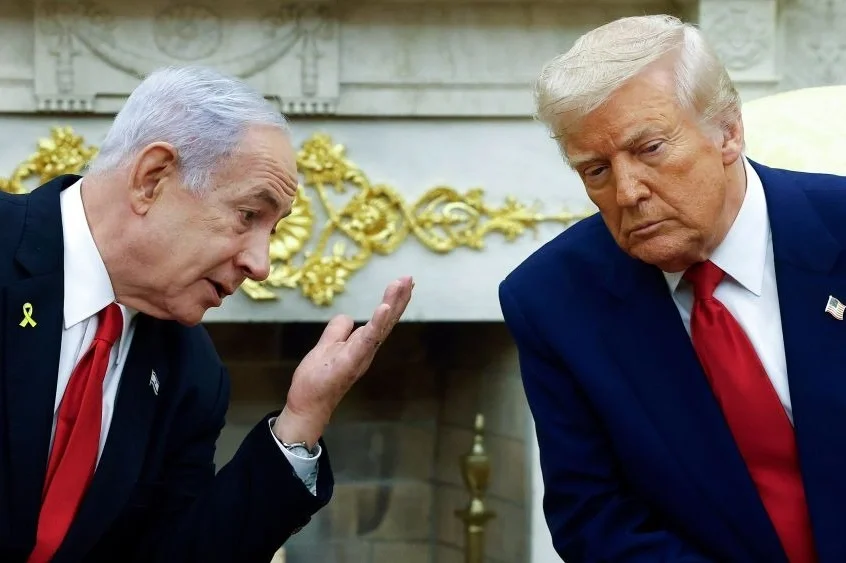
The President of the United States, Donald Trump, alongside the Prime Minister of Israel, Benjamin Netanyahu.
According to Israeli officials, Trump is inclined to approve a military offensive against Iran if the latest diplomatic opportunities currently on the table fail.
“He is leaving a very short final window for negotiations,” noted a senior Israeli official quoted by Kan News, making it clear that the United States continues to prioritize a diplomatic solution, although not ruling out the use of force.
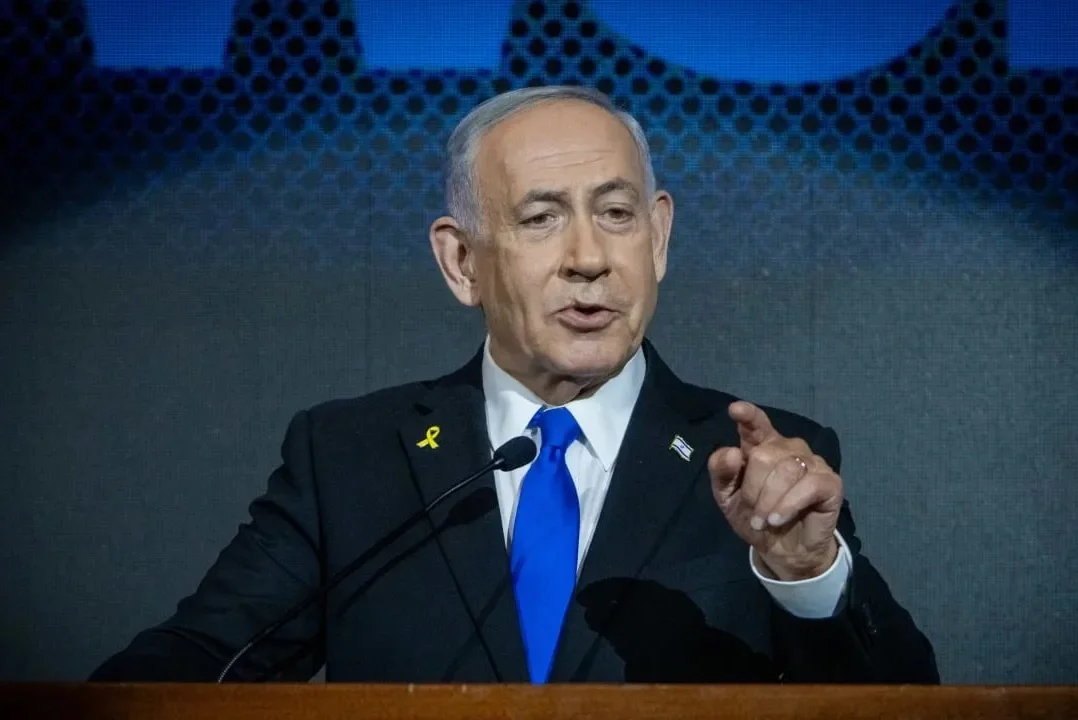
Trump himself referred to Israeli Prime Minister Benjamin Netanyahu in flattering terms, stating that “he will do what I want him to do,” and describing him as “a great leader” in times of war.
The statements reflect the close alignment between both governments in the face of the Iranian threat, especially after months of increasing regional instability.
Meanwhile, fear is spreading among the Gulf countries. Several Arab nations have initiated an intense round of diplomatic contacts to avoid a military escalation that could affect strategic oil and energy facilities in the region.
In parallel, Pakistan is trying to position itself as a mediator. The head of the Pakistani army, Asim Munir, will travel to Tehran as part of diplomatic efforts aimed at bridging positions between Iran and the United States. Additionally, the Pakistani Interior Minister has already visited the Iranian capital for the second time in less than a week, amid delicate negotiations taking place after more than a month of fragile ceasefire.
Despite the diplomatic initiatives, in Israel, the perception is growing that Iran continues to pose a direct threat to regional stability. Israeli authorities have long maintained that allowing Tehran to strengthen its military capacity would have serious consequences not only for Israel but also for its Western allies and for moderate states in the Middle East.
In this context, both Jerusalem and Washington seek to project a posture of strategic firmness, combining diplomatic pressure with military preparedness, while the region watches with concern the possibility of a new large-scale confrontation.