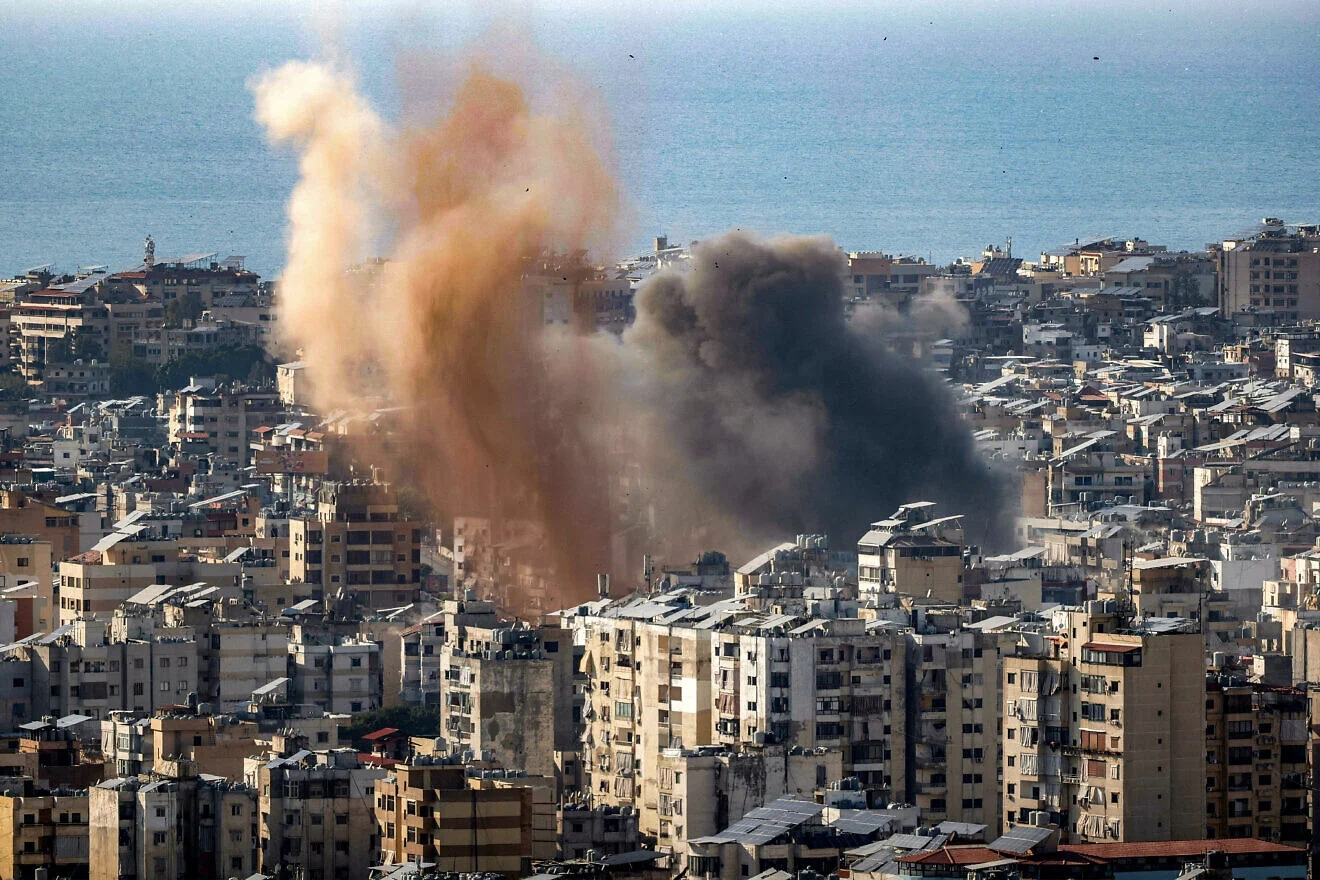
Amid a sustained escalation on the northern border, the Israel Defense Forces this week intensified their operations against Hezbollah in southern Lebanon, combining selective attacks with direct warnings to the civilian population.
On Thursday afternoon, the Israeli military issued an urgent evacuation order for residents located south of the Zahrani River, in an attempt to reduce risks to civilians while expanding the offensive against the Iranian-backed group's infrastructure.
According to the military side, more than twenty Hezbollah fighters were killed in the last 24 hours, along with the destruction of dozens of operational positions.
In one of the most recent episodes, Golani Brigade troops identified a group that was preparing to launch anti-tank missiles. The response was immediate: five militants died in the initial exchange, and another three in a subsequent airstrike
.
Israeli forces also seized significant weapons, including RPG rocket launchers, anti-tank missiles and ammunition, underscoring Hezbollah's persistent militarization of civilian areas.
For Israel, this point is central: the group not only operates in close proximity to populations, but it deliberately integrates its offensive capacity into civilian environments.
In parallel, the army announced the elimination of Hassan Ali Marwan, commander of the so-called Imam Hussein Division, in Beirut. Marwan had taken office after the death of his predecessor in a similar operation days earlier, and was responsible for coordinating missile, drone and rocket launches into
Israeli territory.
“The IDF will continue to act with determination,” the official statement said, framing the operations as a necessary response to an organization that, under Iranian sponsorship, has chosen to expand the conflict. For Israel, the equation is clear: neutralize threats before they reach its civilian population
.