The Secretary of State, Marco Rubio, was even more categorical and called the Iranian proposal “unacceptable”. His statements came after reports that Iran was seeking a limited agreement focused on the reopening of the Strait of Hormuz and the end of the war, leaving any discussion about the nuclear program for later
.
The US position reflects growing Western concern about the Iranian nuclear advance. Although Tehran insists that it does not seek to develop atomic weapons, the regime has enriched uranium to levels with no known civil application and has hampered international monitoring of its nuclear facilities
.
Meanwhile, economic pressure on Iran continues to increase. Reports cited by the Wall Street Journal indicate that the naval blockade imposed by the United States on April 13 is severely hitting Iranian oil exports. At least six ships loaded with crude oil have been forced to return to Iran in recent days, as the country accumulates oil reserves at an alarming rate
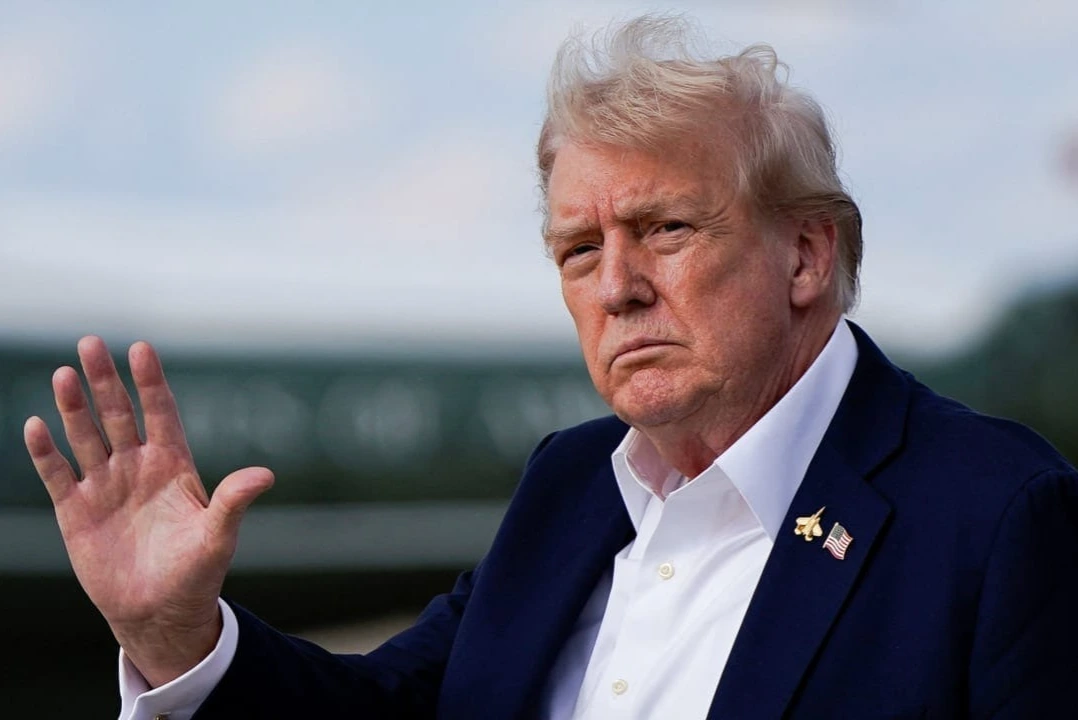
The President of the United States, Donald Trump, expressed his dissatisfaction with the latest ceasefire proposal presented by Iran, considering that the Iranian regime avoids addressing the point that Washington considers non-negotiable: the future of its nuclear program.
Trump did not outright reject the Iranian initiative during a meeting with his advisors on Monday, but he made it clear that the White House suspects that Tehran is negotiating in bad faith.
The president considers any proposal that does not include an explicit commitment to abandon uranium enrichment and permanently renounce the search for nuclear weapons to be insufficient.
The Strait of Hormuz
From Washington, they also indicated that the US administration is preparing a counterproposal that could be presented in the coming days. White House spokeswoman Olivia Wales avoided going into details and maintained that the United States “will not negotiate through the press,” although she noted that Washington's “red lines” have already been clearly communicated.