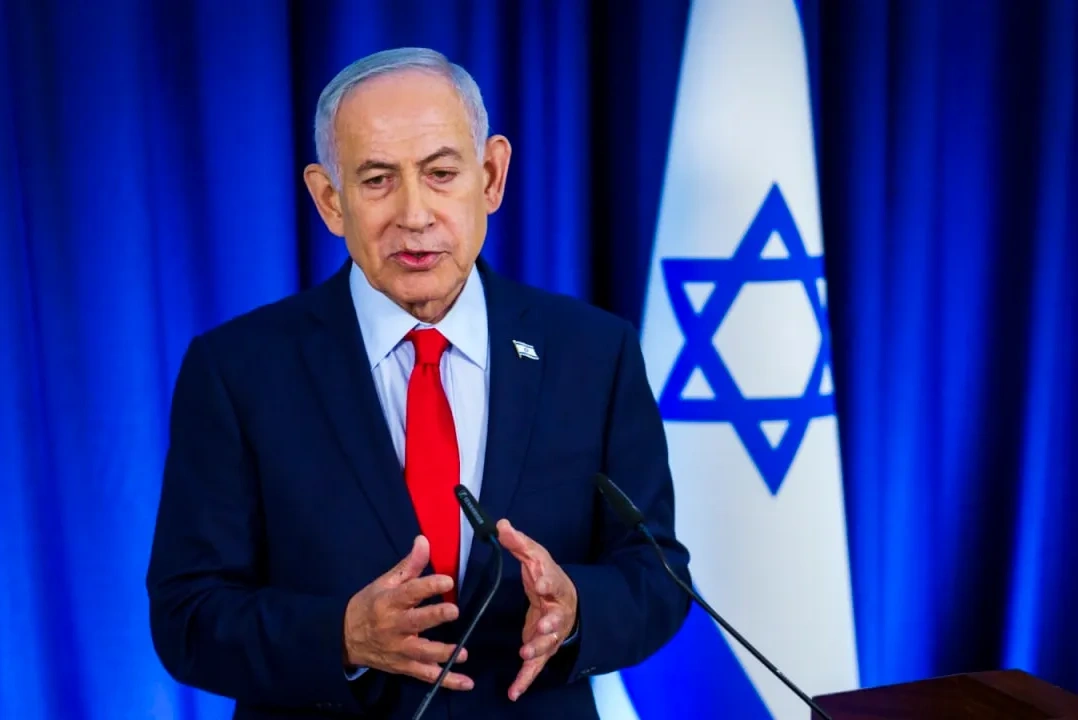
The Prime Minister of Israel, Benjamin Netanyahu, said that the campaign against Iran “is not yet over”, in a context of indirect negotiations between Washington and Tehran to reach a possible ceasefire in Islamabad.
His statements reflect a firm position on the part of Jerusalem, which insists on consolidating the strategic achievements achieved in recent months.
“Iran wanted to eliminate us. Now it is struggling to survive. We still have more to do,” Netanyahu said, underlining what he described as a profound change in
regional dynamics.
According to the president, Israel was “the first to break the barrier of fear” by acting directly against Iranian objectives, in operations that, he said, significantly weakened the regime.
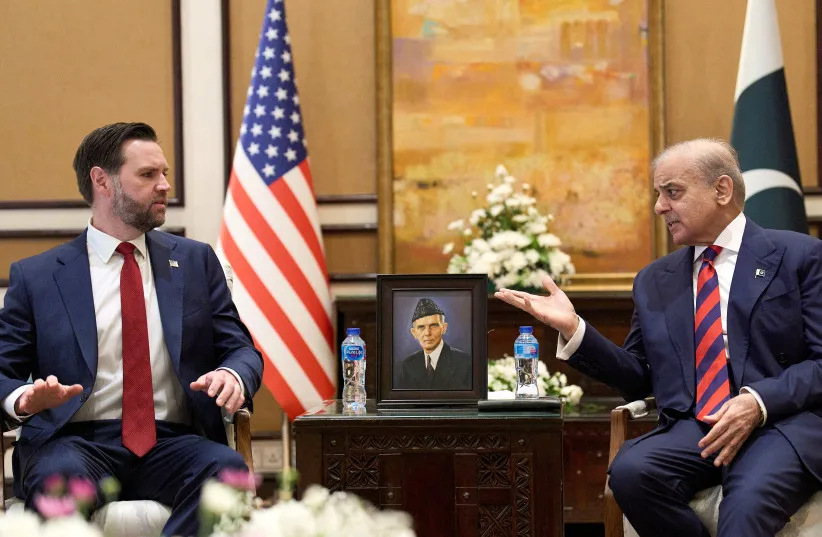
US VP JD Vance in talks with Pakistani leader Shehbaz Sharif
Netanyahu assured that military pressure has generated internal tensions in Tehran, while steadily reducing its offensive capacity. “The Iranian regime is begging for a ceasefire; there are internal conflicts between its leaders,” he said.
He also highlighted that Iranian missile arsenals are in decline and that key infrastructures — including industrial, energy and logistics sectors — have been the target of precise attacks.
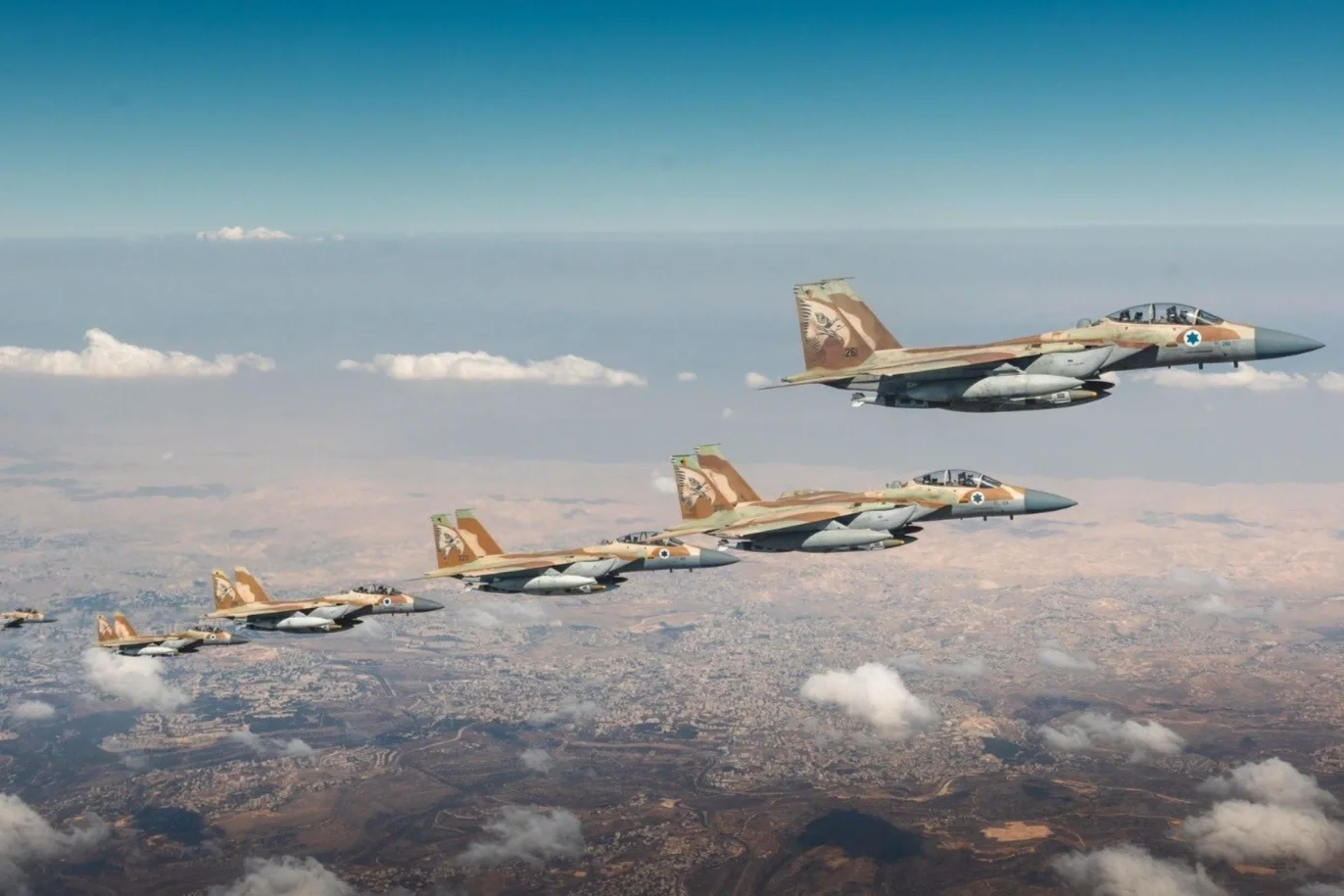
The Prime Minister attributed to Israeli operations, called “Rising Lion” and “Roaring Lion”, a decisive role in curbing the Iranian nuclear advance. In his words, these actions prevented Iran from achieving the capacity to produce nuclear weapons. “We eliminated key nuclear scientists and attacked critical facilities,” he said, adding that Iran currently “has no active enrichment facilities
.”
In his speech, Netanyahu also highlighted the regional impact of these operations. In his view, Israel has consolidated an unprecedented position of strength. “Israel, small in territory but immense in spirit and determination, has become the strongest power in the region and even a global power,” he said
.
This strengthening, he said, has begun to translate into diplomatic opportunities. He revealed that Lebanon recently approached to enter into direct negotiations—an unprecedented fact—although he conditioned any progress on the disarmament of Hezbollah and the signing of a real peace agreement
.
The Prime Minister's statements come at a key moment, as the international community is cautiously watching the talks in Islamabad. For Israel, however, the message is clear: the pressure will continue to ensure that Iran does not pose an existential threat