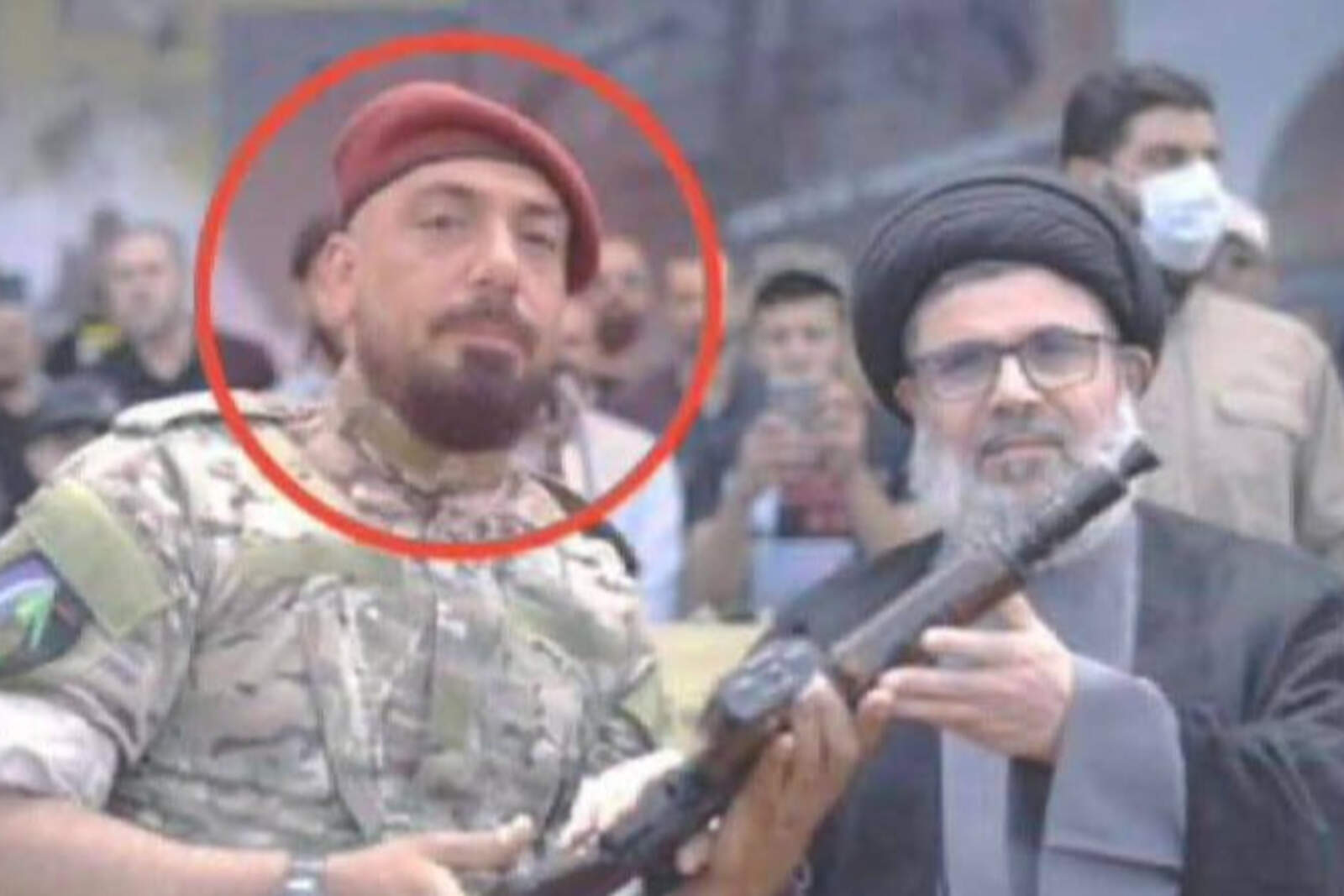
The White House expressed its firm support for Israel's right to defend itself following the targeted attack in Beirut that claimed the life of Haytham Ali Tabatabai, Hezbollah's Chief of Military Staff and one of the most prominent figures within the Iran-backed terrorist organization.
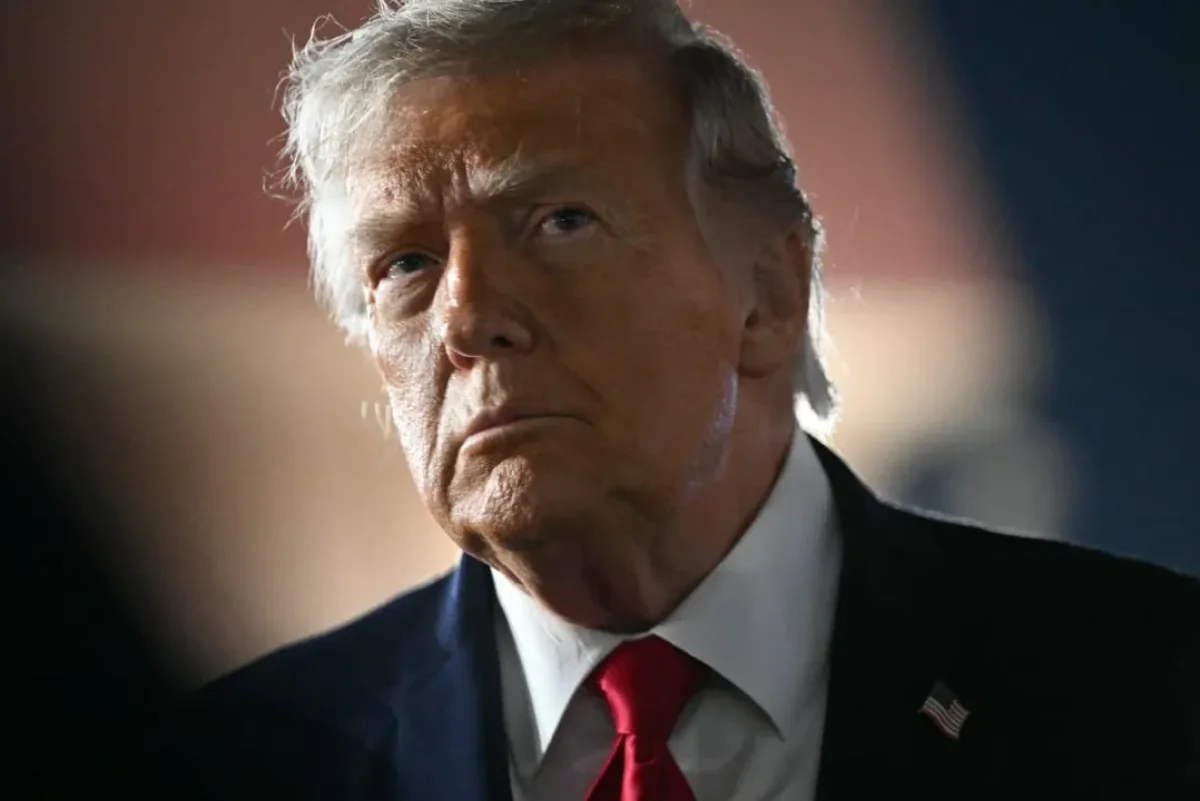
When asked whether U.S. President Donald Trump specifically supported the operation that neutralized Tabatabai, spokeswoman Karoline Leavitt indicated that she hadn't spoken with him about that specific point.
However, she emphasized that "of course, the president supports Israel's right to defend itself and to eliminate any terrorist threat in the region".
The United States had been aware for days of Israel's intention to intensify its operations against Hezbollah in Lebanese territory, although it wasn't informed in advance about the precise attack on Tabatabai.
Washington had designated the Hezbollah high command as a terrorist in 2016, imposing sanctions and offering a five-million-dollar reward for information leading to his location.
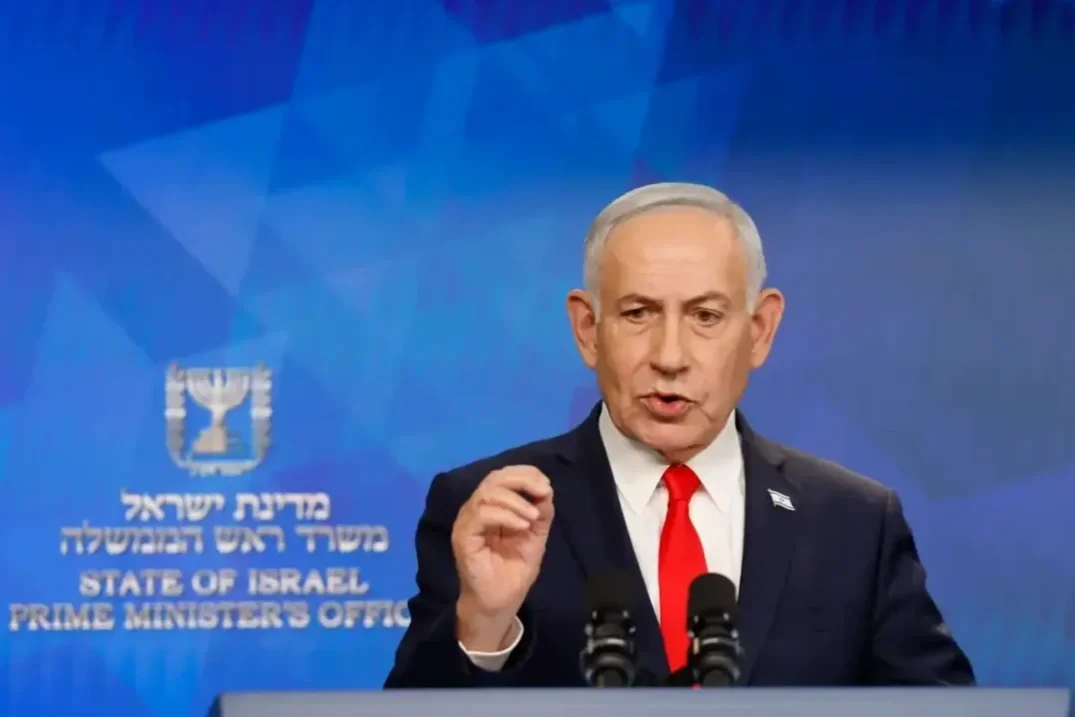
Prime Minister Benjamin Netanyahu stated after the operation that Tabatabai was leading Hezbollah's efforts to rearm, systematically violating UN Security Council Resolution 1701 and the 2024 ceasefire understandings.
"Israel won't allow Hezbollah to rebuild its strength", he declared, describing the terrorist as a "mass murderer" responsible for the deaths of numerous Israelis and Americans.
Netanyahu also reiterated that he expects the Lebanese government to fulfill its international commitment to disarm Hezbollah.
"Only then will the citizens of Lebanon be able to aspire to a better future, and only then can peaceful and secure neighborly relations exist between Israel and Lebanon," he stated.
The Israeli Army indicated that Tabatabai, considered the organization's number two after Naim Qassem, was a "veteran and central operative", with a career dating back to the 1980s and a record of key positions, including commander of the Radwan Force and head of Hezbollah operations in Syria.
During the war, he had been assigned to lead the operations division, responsible for building capabilities and the group's strategic coordination.
The Israeli operation comes after weeks of increased attacks on Hezbollah positions, in response to ongoing ceasefire violations and the group's attempts to rebuild its arsenal.
Israel has denounced the Lebanese government's passivity, while Hezbollah seeks to "restore and expand" its military power.
In a statement following the attack, Israel's Ministry of Foreign Affairs emphasized that the elimination of Tabatabai was a direct response to Hezbollah's repeated violations and the danger he posed to Israeli security and regional stability.
Israel, it added, remains committed to full compliance with the ceasefire and has reported hundreds of violations through the international mechanism led by the United States.