Although there were tensions during the war in Gaza, Germany reaffirmed its alliance with Israel
Nuevo
Agregar La Derecha Diario en
Compartir:
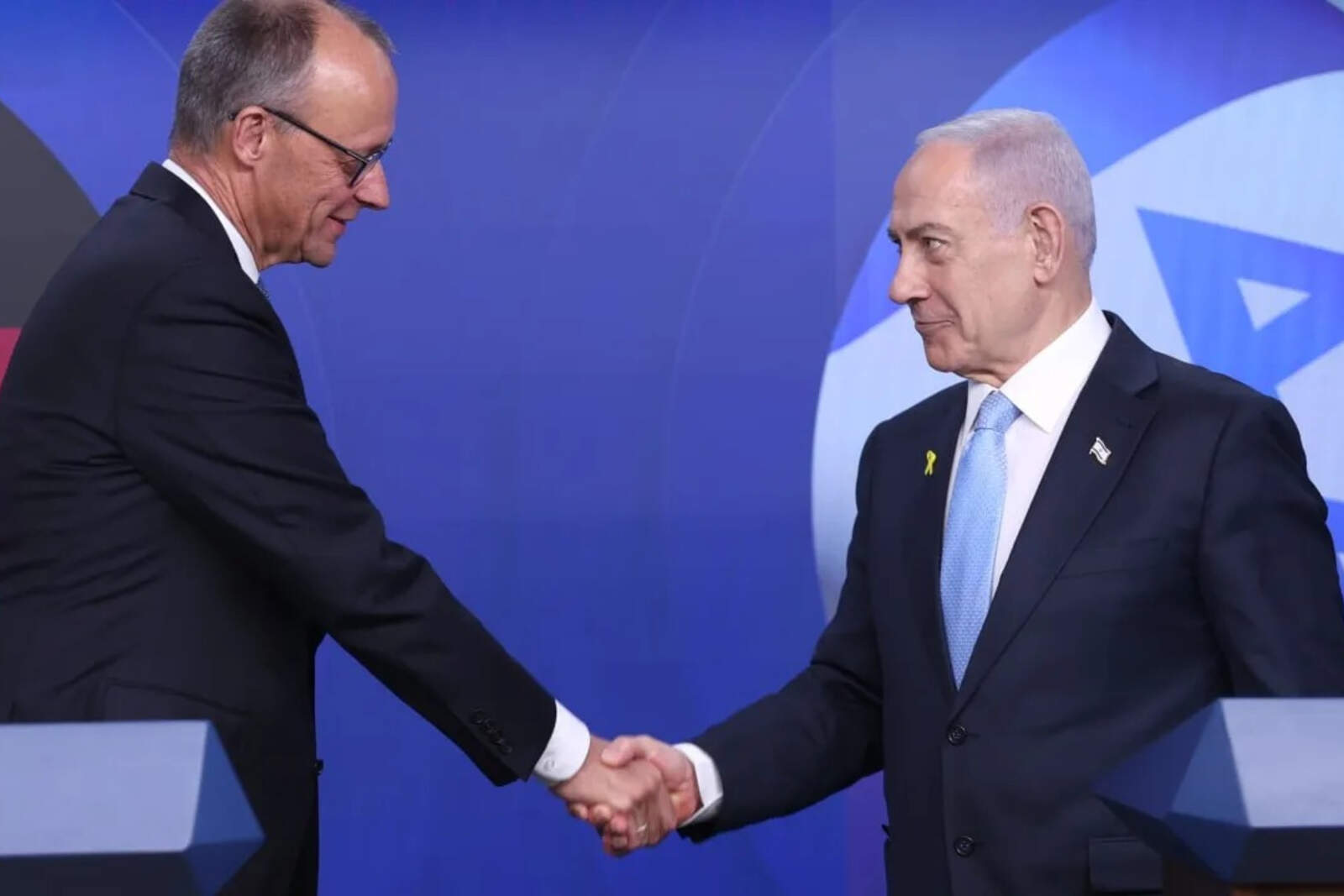
During his official visit to Jerusalem, German Chancellor Friedrich Merz offered an unusual explanation—and a highly anticipated one—regarding the brief and partial suspension of military exports to Israel that Berlin implemented at the end of August, which was lifted as soon as the war in Gaza ended in mid-November.
His message was twofold: Germany will continue to support Israel unwaveringly, partly for historical reasons, but also expects Jerusalem to uphold the highest standards of international humanitarian law.
Merz acknowledged without hesitation that Germany's commitment to Israel is "permanent" and is closely linked to the historical responsibility for the Holocaust.
However, he indicated that Berlin felt the need to send a political signal regarding certain aspects of the campaign in Gaza. Even so, Germany was among the last powers in Europe to impose—limited—restrictions on arms sales, and one of the few that flatly refused to recognize a Palestinian state in September.
Likewise, Germany was also the first among Western European countries to quickly lift those restrictions once the ceasefire in Gaza stabilized.
This gesture once again underscored, according to various diplomatic sources, the strength of the strategic bond between both countries.
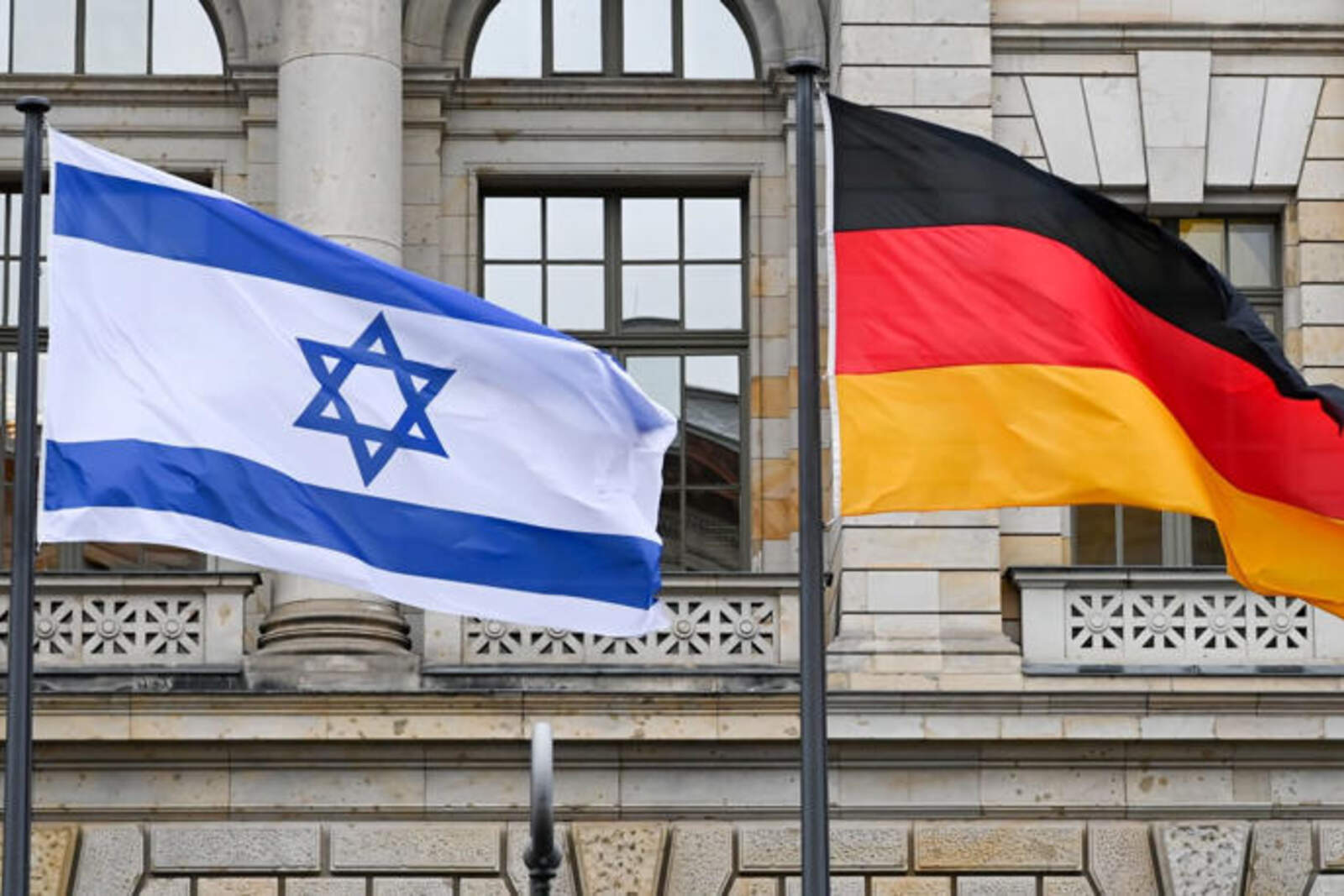
Flags of Israel and Germany
Defense cooperation: from Arrow 3 to a world in transformation
Prime Minister Benjamin Netanyahu and Merz also addressed the recent delivery of the Arrow 3 missile defense system to Germany. Manufactured in Israel, Arrow 3 represents a crucial advancement for German defense against potential ballistic attacks from Russia.
Berlin considers it an essential component of its security architecture and a symbol of trust in Israeli technology.
Both leaders also discussed how to further deepen cooperation in an international landscape marked by emerging threats and accelerated technological transformations.
Netanyahu emphasized that Israel and Germany, "two of the world's most advanced economies," are expanding their joint projects in high technology, deep tech, artificial intelligence, and quantum computing. These are sectors that, he said, "will change the face of the planet and humanity," and in which bilateral collaboration can strengthen international stability.
Despite the cordial tone, Merz used the visit to reiterate his call for a two-state solution and asked Netanyahu not to move forward with an annexation of the West Bank.
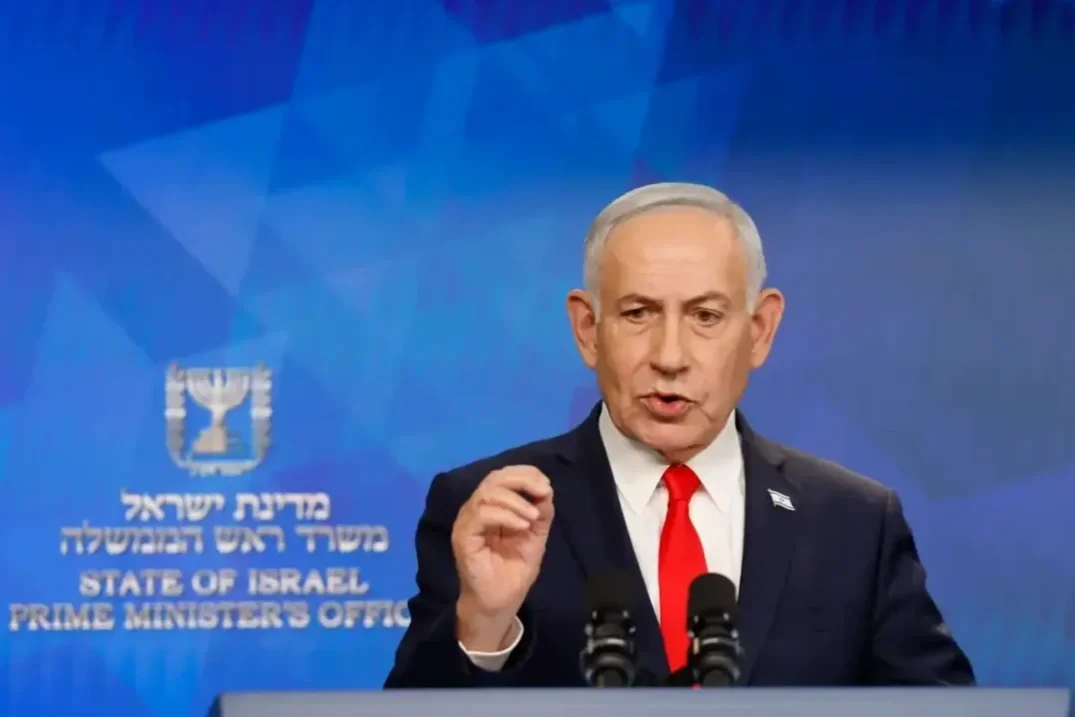
The prime minister's response was clear: after the October 7 attack, the vast majority of Israelis are firmly opposed to the creation of a Palestinian state. Even so, Netanyahu emphasized that Israel has no intention of annexing the West Bank in the immediate future.
The Israeli leader indicated that any territorial debate is postponed, since the current priority is to move forward toward Phase II of the ceasefire agreement between Israel, the United States, and Hamas.
Netanyahu stated that he expects progress during his upcoming meetings with U.S. President Joe Biden, especially regarding the International Stabilization Force (ISF). Washington, he said, is fine-tuning its position on the timing of deployment, the mandate, and the participation of this force in the demilitarization of Hamas.
Merz's visit left a clear message: beyond occasional tensions, Germany remains one of Israel's strongest and most consistent allies in Europe.