The murdered activist was a staunch defender of Israel and gave recommendations to the Prime Minister before his death
Nuevo
Agregar La Derecha Diario en
Compartir:
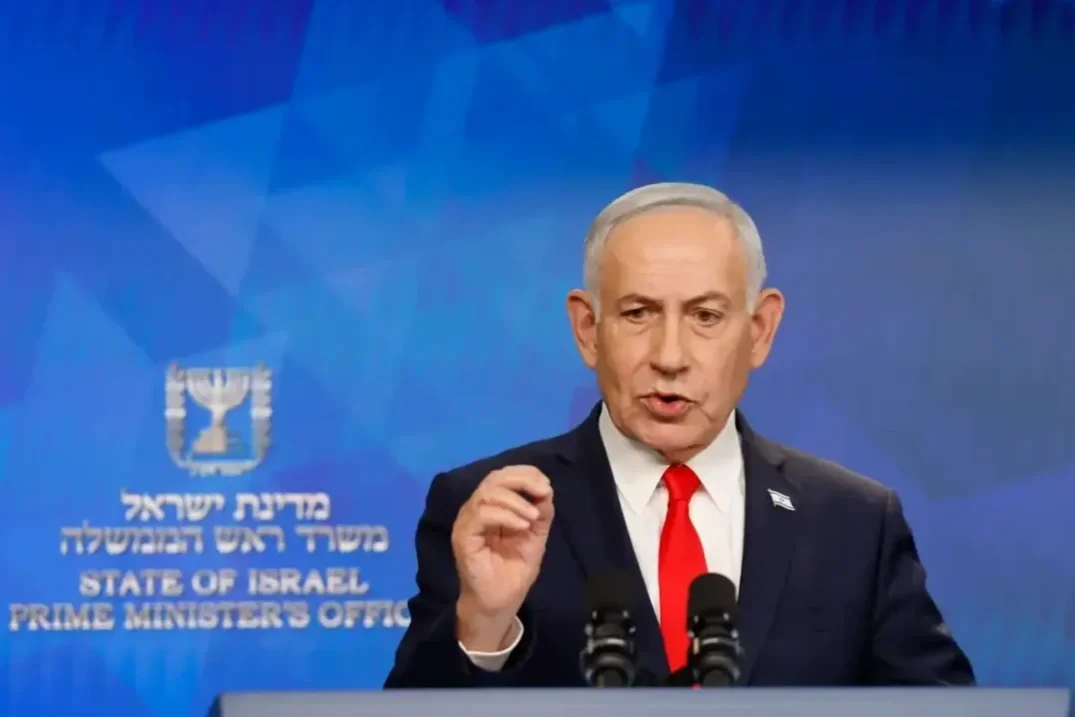
Israel is making a significant shift in its global communication strategy, driven by the recommendations left in a final letter by influential American conservative activist Charlie Kirk, who warned Prime Minister Benjamin Netanyahu that the country was "losing the information war" among young Americans.
His observations, sent shortly before his death, triggered a warning signal in Jerusalem.
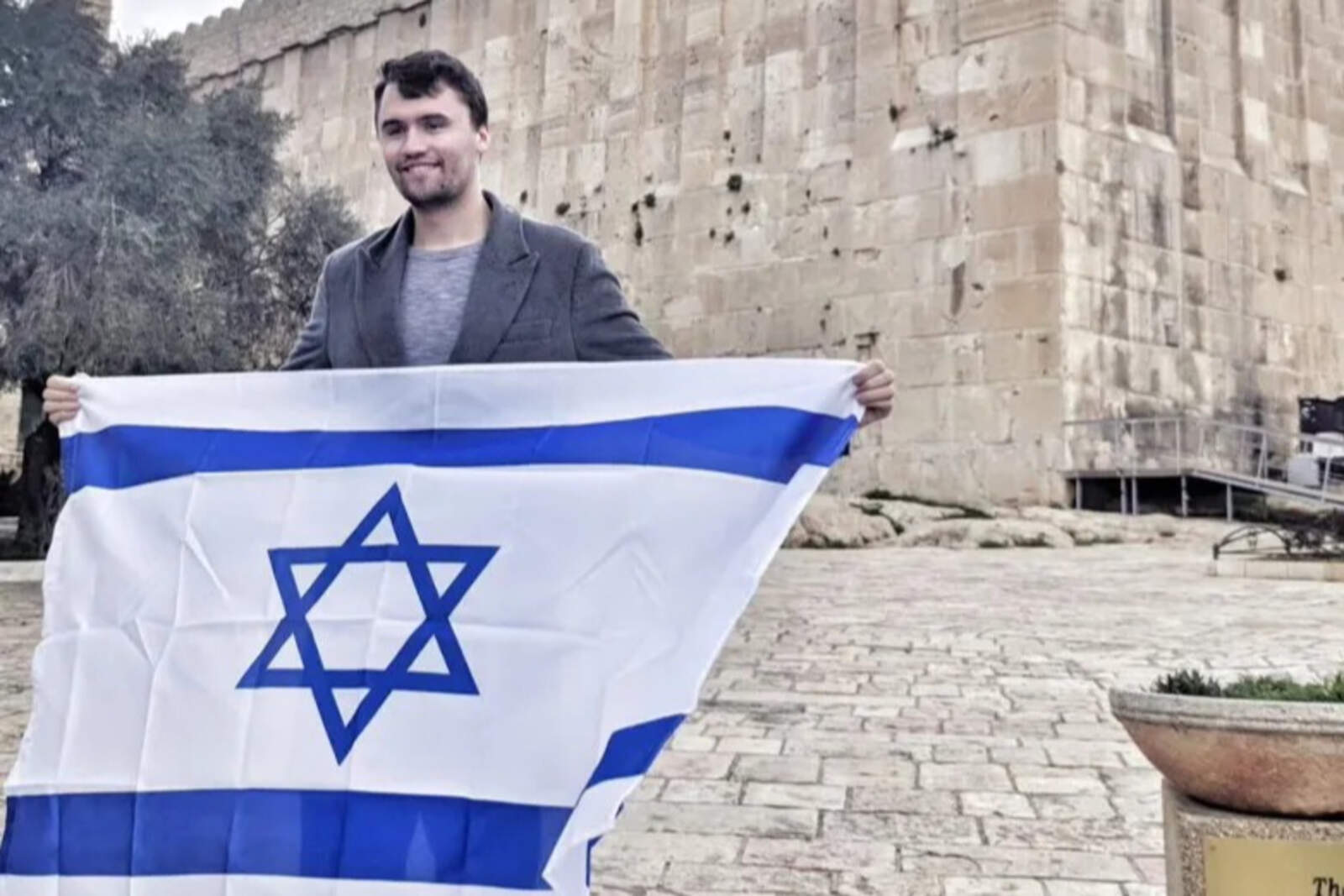
Kirk, known for his strong support of Israel within the evangelical and conservative movement, alerted about the deterioration of the country's image among Americans aged 18 to 24, influenced—according to him—by openly anti-Israel narratives circulating on university campuses.
He cited surveys showing that almost 50% of young people express sympathy for Hamas, a figure that deeply concerned Israeli authorities.
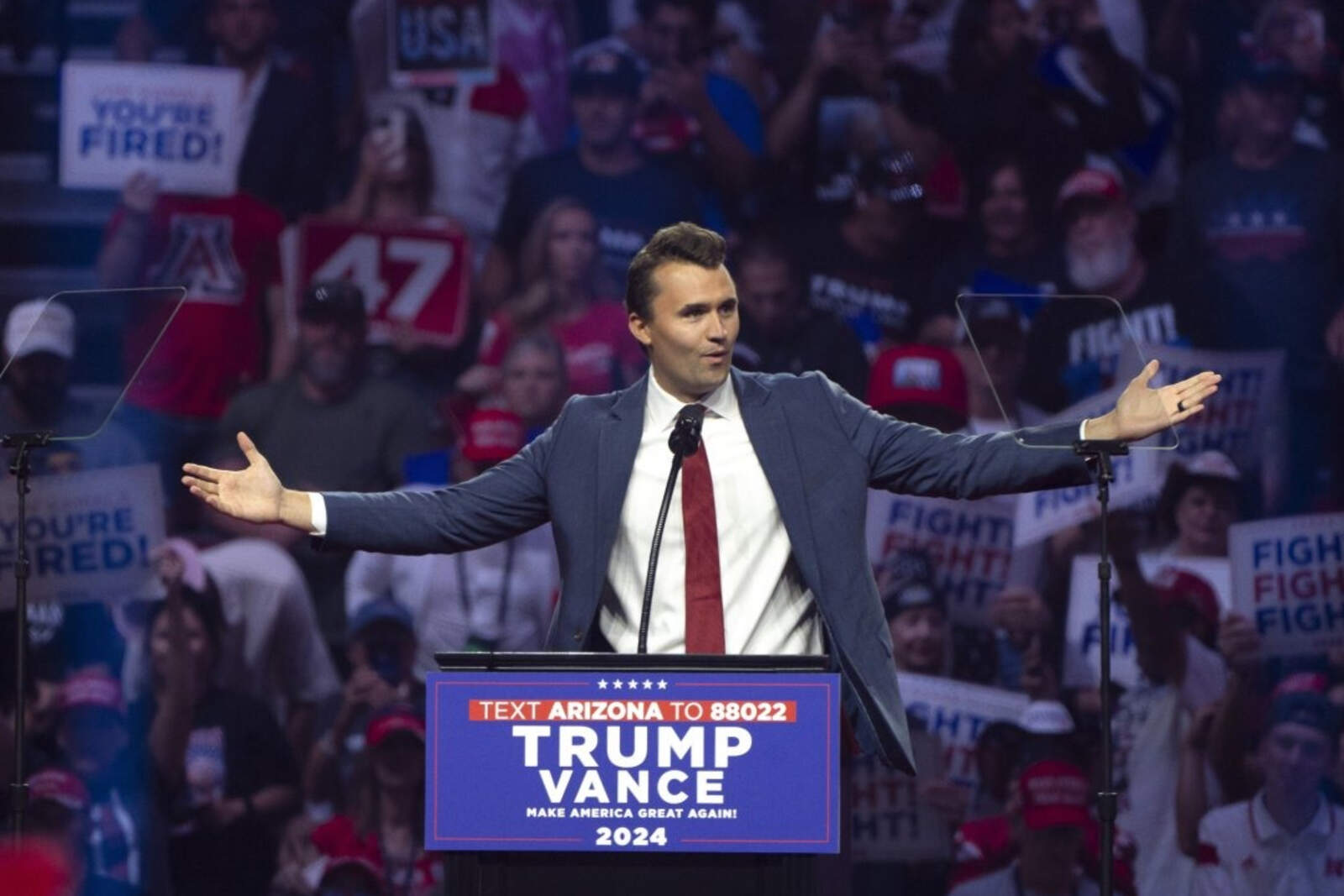
Charlie Kirk at a Donald Trump campaign event
The letter highlighted another critical failure: the defeatist perception within some Israeli communication sectors that "everyone already hates us", which would have led to a reactive and insufficiently proactive approach.
Kirk called on Israel to stop relying exclusively on its American defenders and to build its own direct and modern voice for global audiences.
In response, the Israeli government has begun to adopt a renewed strategy that combines speed, professionalism, and an emphasis on authentically Israeli voices.
One of the first steps was the creation of a rapid response team tasked with monitoring social networks in real time, detecting negative trends, and producing agile content to counter misinformation.
The team uses techniques applied in American digital campaigns, aiming to speak the same language as young internet users.
Meanwhile, Israel launched a centralized "facts and context" site, which brings together historical, legal, and territorial information about the conflict.
This portal serves as a base for a network of digital platforms aimed at different segments: university students, evangelical Christians, Latinos, liberals, African Americans, and Jewish diaspora communities.
The plan calls for expansion in the coming months with multilingual content, shorter pieces, and first-person testimonies.
A central pillar of this approach is the "first voice" model: allowing Israelis themselves to tell their stories.
Civilians affected by attacks, reservists, evacuees, and members of minorities are participating in videos and interviews that seek to show the human dimension of the conflict.
To this end, the government has made available audiovisual production tools and editing and subtitling services to ensure high-quality materials.
Recent delegations to the United States—including survivors of kidnappings and those wounded in combat—have reinforced this message, appearing in American media and recounting their firsthand experiences, just as Kirk had recommended.
Finally, Israel has adopted a unified communication model for foreign media. Now, a single spokesperson, Shosh Bedrosian, concentrates official messages and offers daily reports, avoiding the previous dispersion among government, Army, and Foreign Ministry spokespersons.
The goal is clear: to regain clarity, coherence, and presence in the global conversation, especially among young people, and to ensure that the Israeli narrative is heard with strength and humanity.