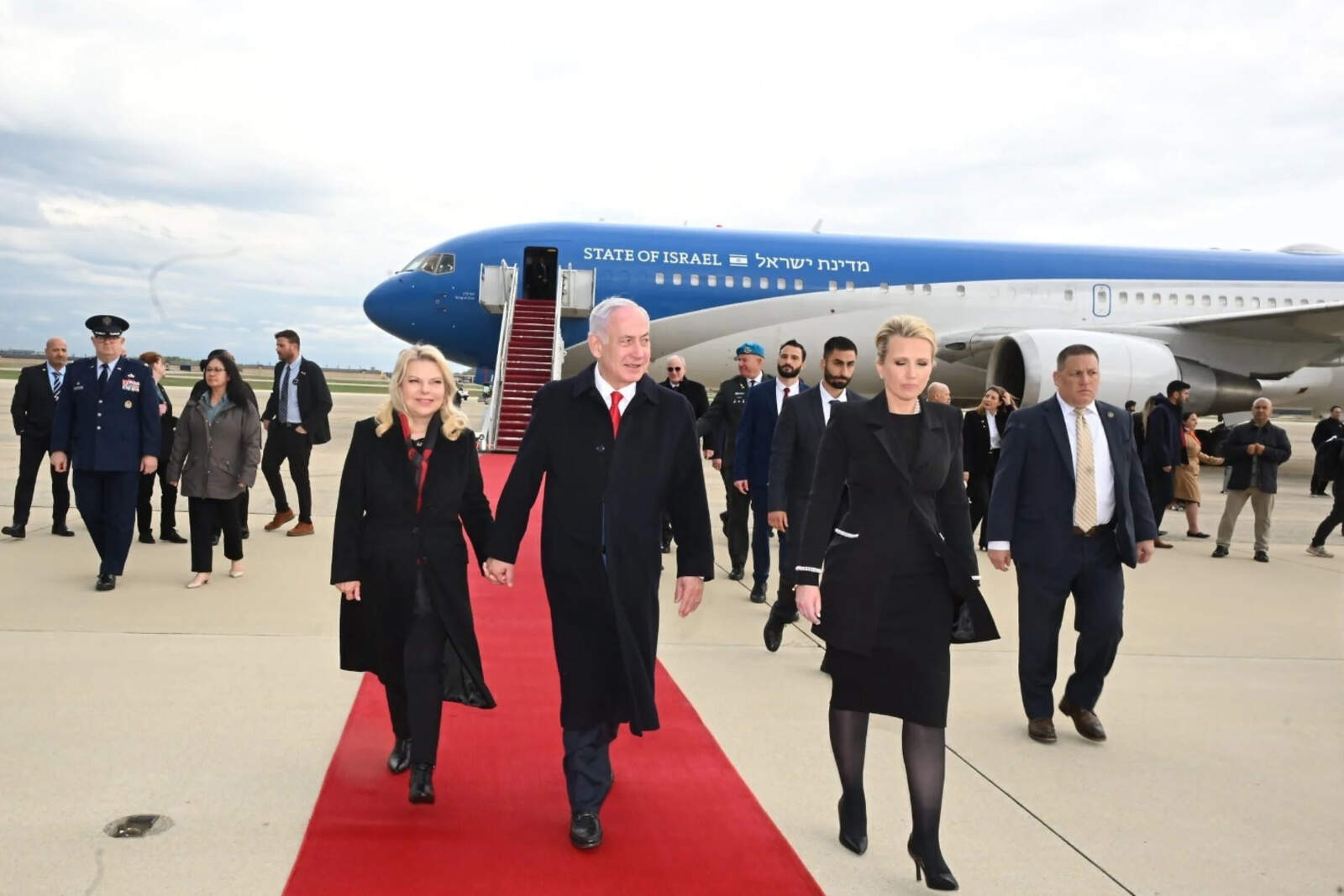
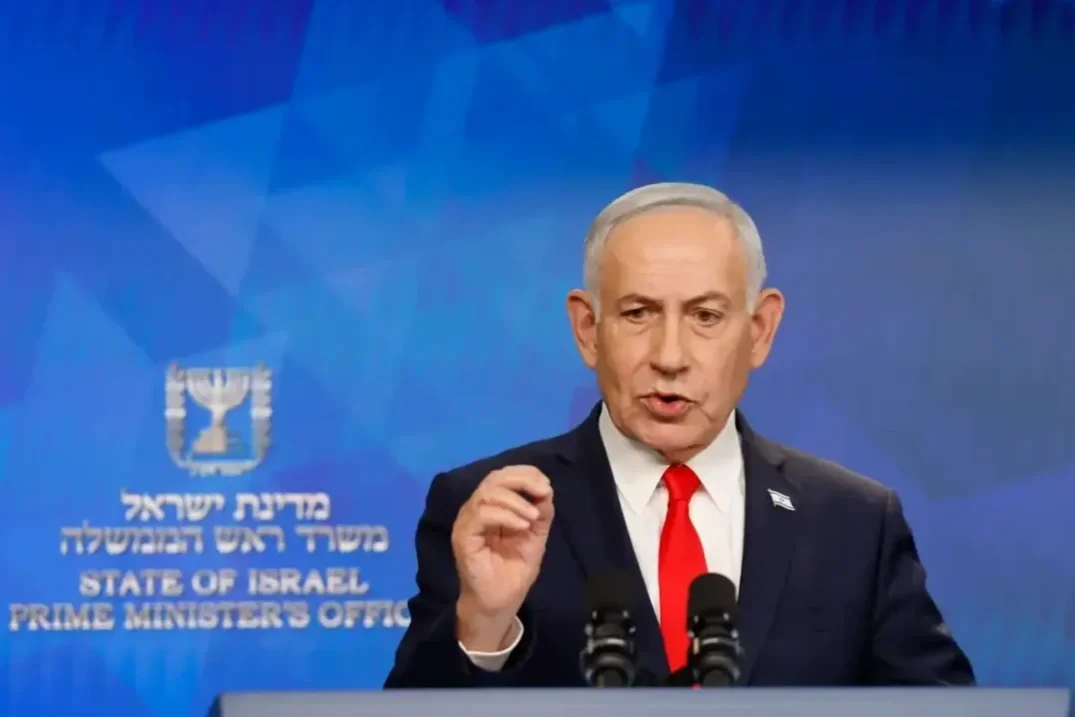
Israel's Prime Minister, Benjamin Netanyahu, began an official trip to the United States this Sunday, heading to Florida, where he will hold a key meeting with U.S. President Donald Trump.
The meeting, which will take place on Monday afternoon at Trump's residence in Mar-a-Lago, is emerging as a central opportunity to coordinate positions regarding the main security challenges that Israel faces: the future of the Gaza Strip and the persistent threats from Hezbollah and Iran.
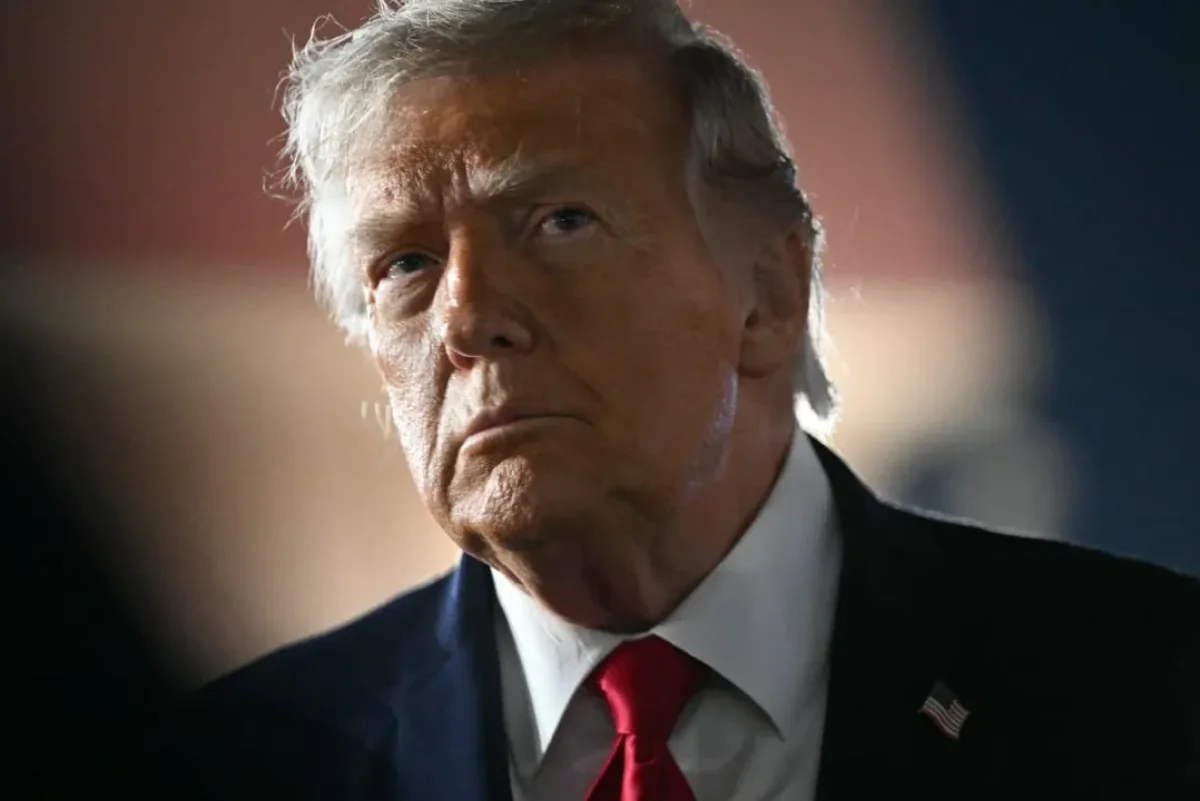
This is the fifth meeting between Netanyahu and Trump since the Republican leader returned to the White House in January for his second term.
Unlike on previous occasions, the Israeli prime minister departed without journalists on board and without making prior public statements, an unusual gesture that underscores the sensitivity of the issues to be addressed.
One of the central pillars of the talks will be the U.S. proposal to move toward a second phase of the cease-fire in Gaza.
This plan envisions the creation of a technocratic Palestinian government for the Strip, overseen by a "Peace Council" promoted by Trump, as well as the deployment of an International Stabilization Force as the presence of the Israel Defense Forces (IDF) is gradually reduced.
Israel, which has insisted that any future arrangement must guarantee the impossibility of Hamas regaining military or governing capabilities, has not yet formally endorsed this phase of the agreement.
Tensions surrounding the implementation of the first stage of the cease-fire remain.
Israel alleges that Hamas has not fully complied with the return of all hostages, including the body of Master Sergeant Ran Gvili, while the terrorist group accuses Israel of violations related to the Rafah crossing.
From Jerusalem, the official position is clear: Israeli security and the full release of the hostages are non-negotiable conditions.
The bilateral agenda will also include an in-depth analysis of the Iranian threat. In Israel, concern is growing over intelligence reports indicating that the Islamic Republic is rebuilding and even expanding its ballistic missile production capacity after the twelve-day direct conflict recorded in June.
For the Israeli government, Iran remains the main destabilizing factor in the region and a first-order strategic risk.
The situation on the northern front will also be addressed. Israel has warned that it could resume military operations against Hezbollah if the Lebanese government doesn't comply with the deadline set by the United States to move forward with the disarmament of the terrorist group, as stipulated after the November 2024 cease-fire.
During his stay, Netanyahu will also meet with Secretary of State Marco Rubio, and he will hold meetings with evangelical leaders and representatives of the Jewish community in Florida.
He is scheduled to return to Israel on Thursday, reaffirming, once again, the centrality of the strategic alliance between Jerusalem and Washington in a regional context marked by uncertainty and persistent threats.