The terrorist organization continues to delay the timeline, using Israel's defensive actions as an excuse
Nuevo
Agregar La Derecha Diario en
Compartir:
The fragile truce in effect in Gaza since October 10 is once again under strain following new statements from Hamas, which accuses Israel of "violations" of the agreement and insists that the second phase of the ceasefire can't move forward.
However, behind the accusations, Israeli sources point out, there is a familiar pattern: delaying processes, avoiding key commitments, and maintaining political pressure on international mediators.
Hossam Badran, a member of Hamas's political bureau, told AFP that "the second phase can't begin while the occupation continues its violations of the agreement and evades its commitments". According to him, Hamas has asked mediators to "pressure" Israel to fully implement the first stage.
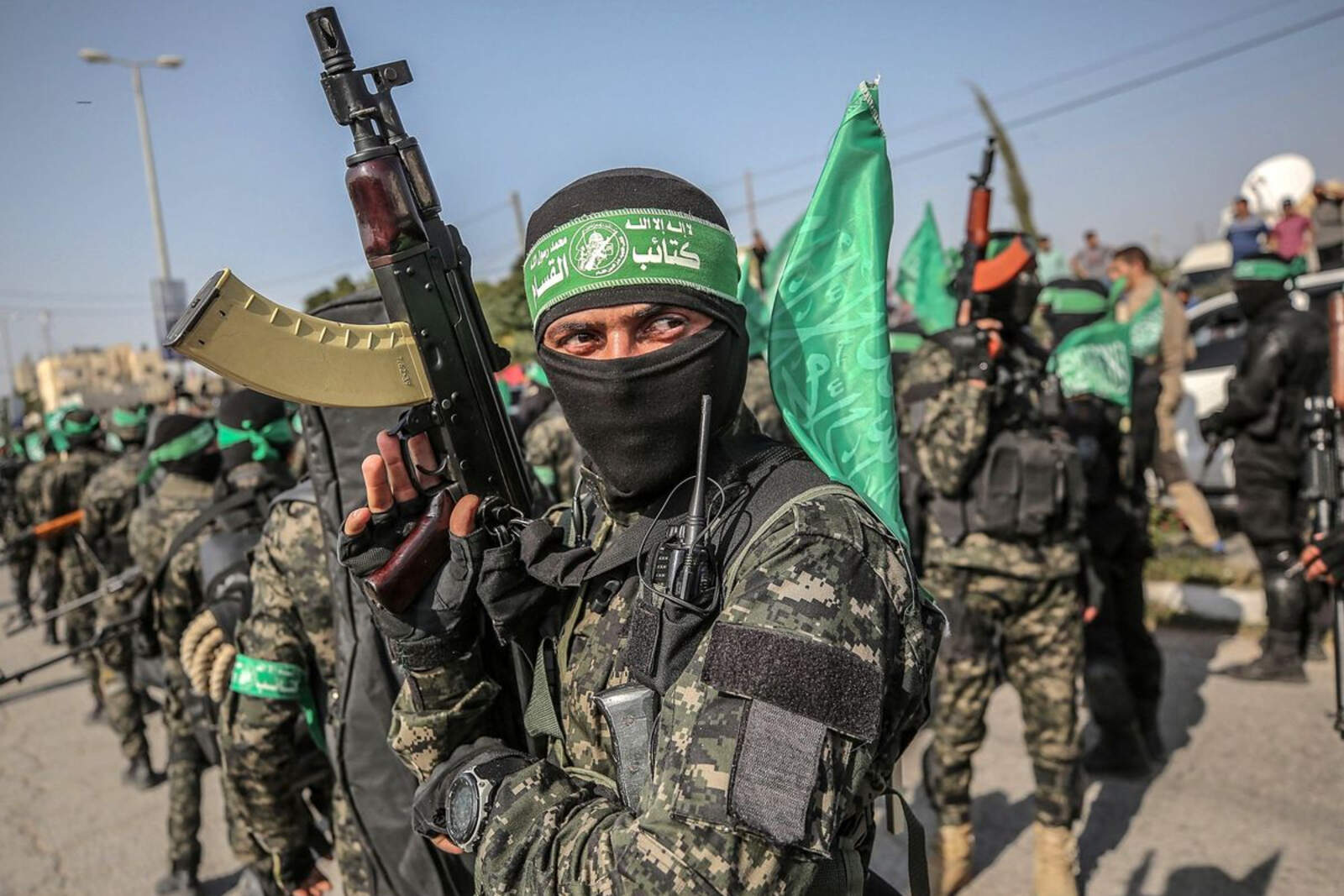
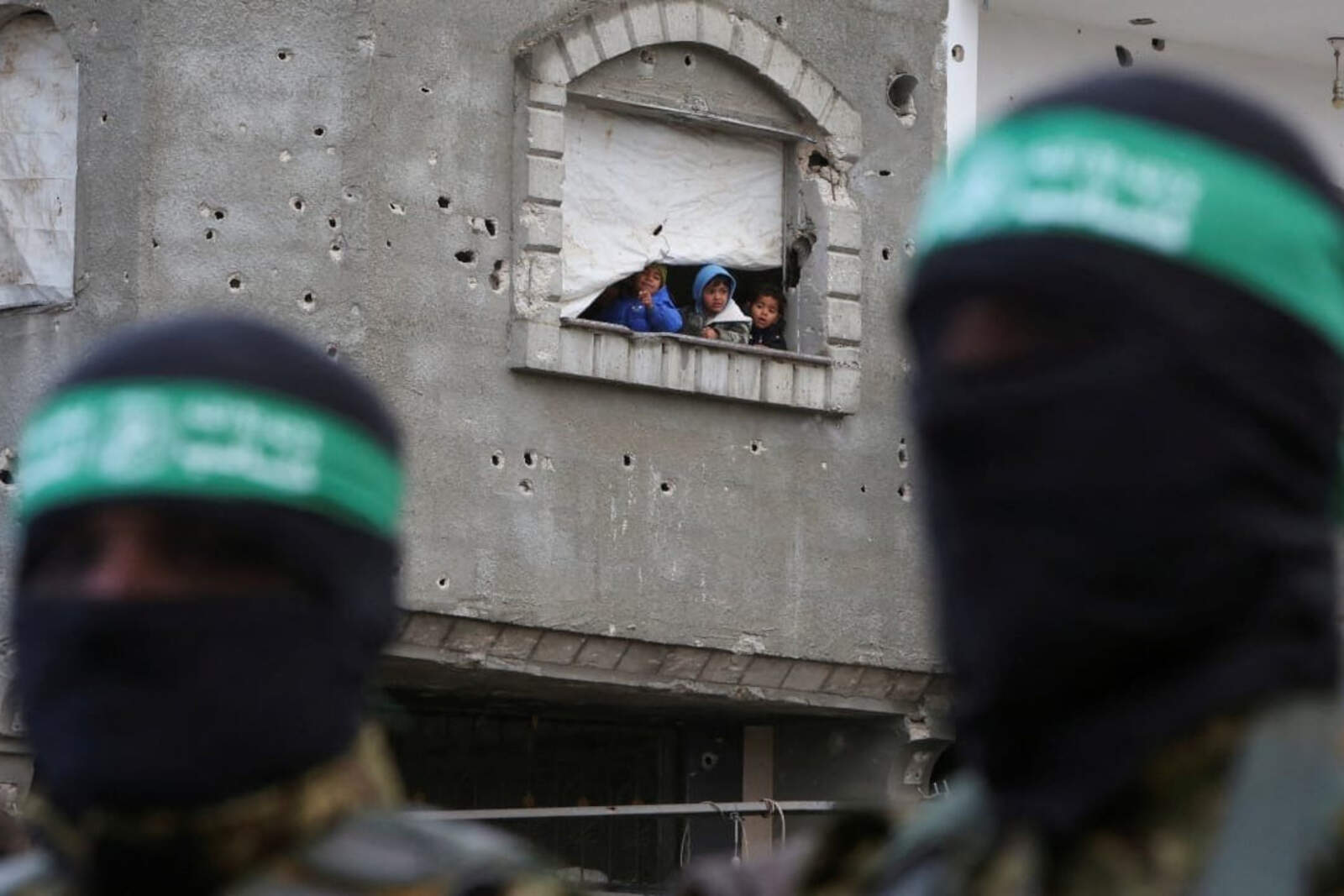
Hamas terrorists
However, that first stage—clearly defined in the agreement documents—requires something very specific: the release of all hostages. At this point, Israel emphasizes that the Islamist organization still has not complied.
Hamas still holds the body of hostage Ran Gvili, now arguing that "it can't find it", an explanation that in Jerusalem is interpreted as yet another sign of evasion and lack of transparency.
The second phase of the agreement provides for the entry of an international stabilization force and, above all, the disarmament process of Hamas, an indispensable condition for any scenario of reconstruction and lasting security in the Strip.
Hamas's refusal to move toward this stage is, for Israel, a clear indication that the organization seeks to preserve its military power at all costs.
Jerusalem insists that the defensive actions of the Israel Defense Forces (IDF)—targeted strikes at various points in Gaza—have occurred solely as a direct response to shootings and attacks against soldiers deployed along the so-called Yellow Line, the area to which Israel withdrew its troops at the start of the truce.
"These are not violations, but rather legitimate responses to aggressions that Hamas continues to carry out," Israeli security sources explain.
Egypt, Qatar, and the United States, the main mediators, once again face the challenge of pressuring Hamas to fulfill its basic obligations.
In Israel, it is emphasized that the mechanics of the agreement are simple: first the release of hostages and the total cessation of attacks against Israeli troops; then, the start of the international phase.
With each public accusation, Hamas seeks to reposition itself as a victim, avoid the disarmament process, and gain political time both internally and externally.
Meanwhile, Israel emphasizes that its only priority remains protecting its citizens, ensuring security in border areas, and securing the release of all hostages, whether alive or deceased.
The truce remains in effect, but it depends on Hamas fulfilling what was agreed and ceasing its now habitual strategy of blaming Israel while holding hostages and carrying out intermittent attacks.
Israel, meanwhile, continues to maintain its position: only full compliance with the agreement—including the disarmament of Hamas—will allow progress toward real stability in Gaza.