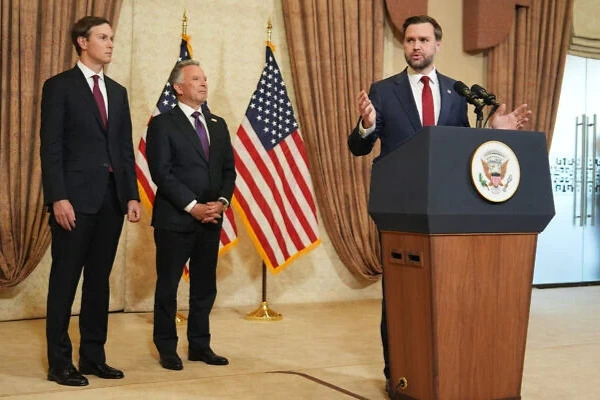
Vice President JD Vance said that this “is bad news especially for Iran”
Nuevo
Agregar La Derecha Diario en
Compartir:
Direct negotiations between the United States and Iran concluded without agreement after 21 hours of uninterrupted talks in Islamabad, in what is already considered to be one of the longest and most important diplomatic meetings between the two sides in decades.
The failure of the negotiations leaves in a situation of uncertainty the fragile ceasefire in force since the beginning of the week, in the midst of a war that has shaken the Middle East for more than six weeks.
The US Vice President, JD Vance, who led the Washington delegation, was clear in pointing out that the lack of agreement mainly hurts Tehran.
“We haven't reached an agreement, and that's much more bad news for Iran than for the United States,” he said before leaving the Pakistani capital. Vance stressed that his country negotiated “in good faith” and that he presented a final proposal that requires an unequivocal commitment on the part of Iran not to develop nuclear weapons or the capabilities necessary to produce them quickly
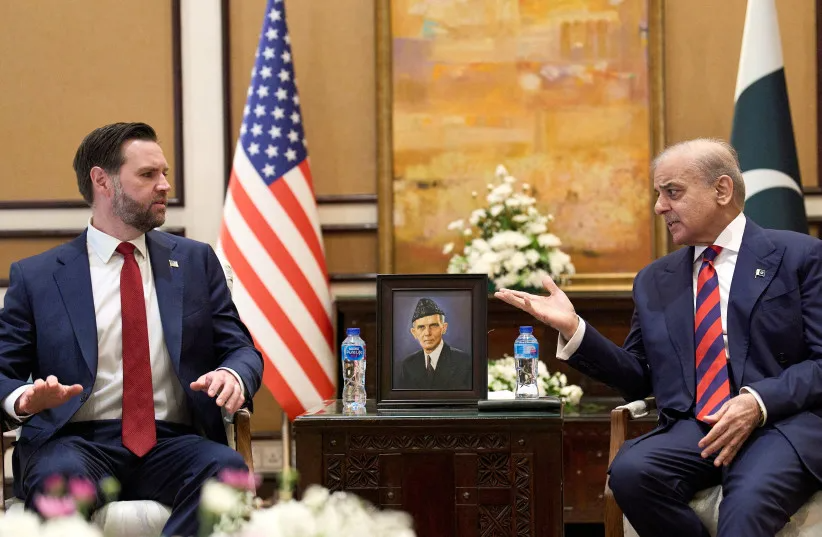
. The Vice President of the United States, JD Vance, in conversation with the Prime Minister of Pakistan
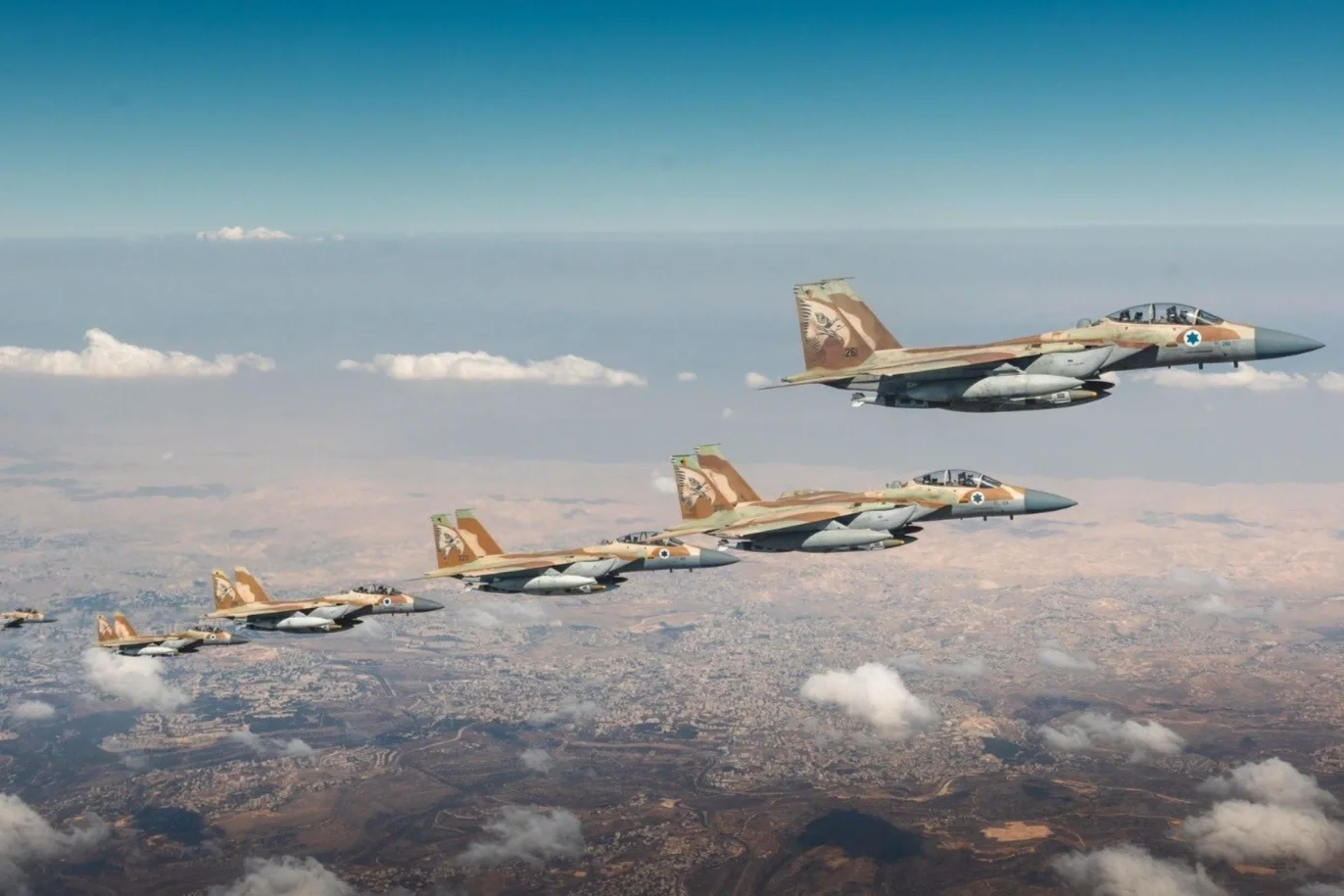
The American position, strongly supported by Israel, focuses on preventing the Iranian regime from moving towards obtaining nuclear weapons, considered an existential threat to the Jewish State and a factor of
global destabilization.
In this regard, the joint strategy of Washington and Jerusalem has combined military pressure with a diplomatic opening conditioned on concrete results.
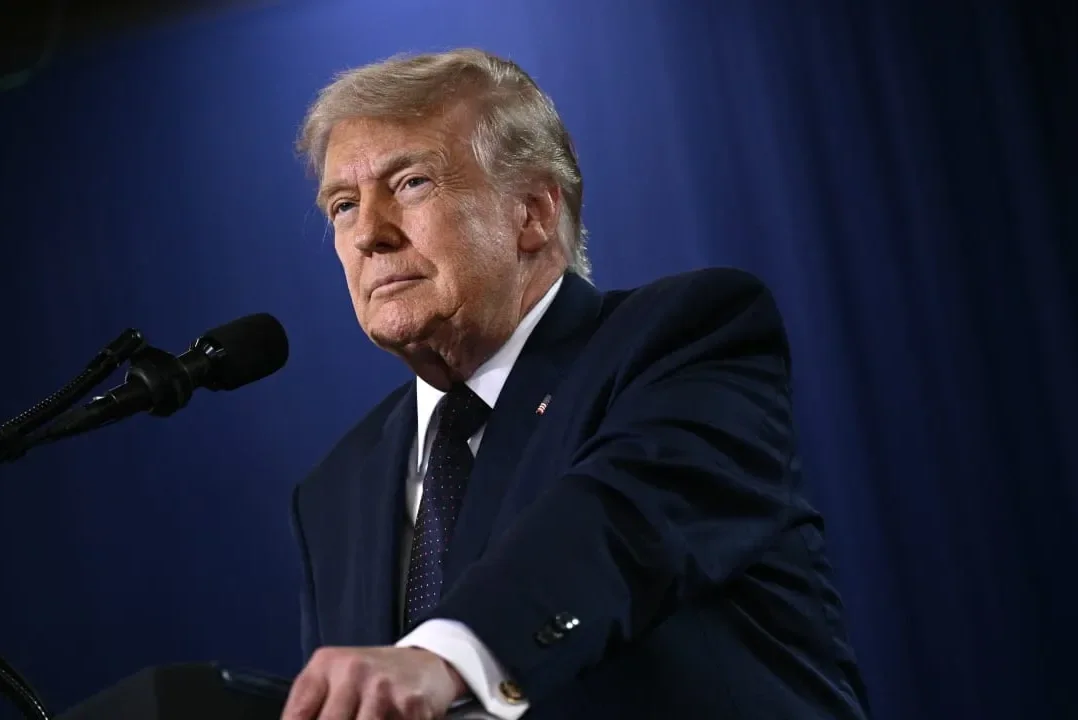
From the White House, President Donald Trump downplayed the lack of agreement, stating that “whether there is a deal or not, it makes no difference, because we have already won.” His statements reflect the confidence of the U.S. administration in the military achievements achieved so far, particularly in the degradation of the Iranian regime's strategic capabilities
.
For its part, Iran attributed the failure to what it called “excessive demands” on the part of the United States. However, doubts persist about the regime's true willingness to accept verifiable limitations to its nuclear program, especially after years of enriching uranium above civilian levels and restrictions on access by international
inspectors.
The talks in Islamabad were the first direct talks between the two countries in more than a decade, and the highest level since the 1979 Islamic Revolution.
Despite the result, both sides agreed on the need to maintain the temporary two-week ceasefire, while the international community attentively watches the next steps.
At the same time, the United States has reinforced its military presence at strategic points such as the Strait of Hormuz, which is key to global energy trade, underlining its commitment to the security of international shipping routes.
In this context, pressure on Iran continues, both diplomatically and militarily, with the stated objective of ensuring regional stability and avoiding nuclear escalation.