13 out of 15 countries voted in favor, while Russia and China abstained
Nuevo
Agregar La Derecha Diario en
Compartir:
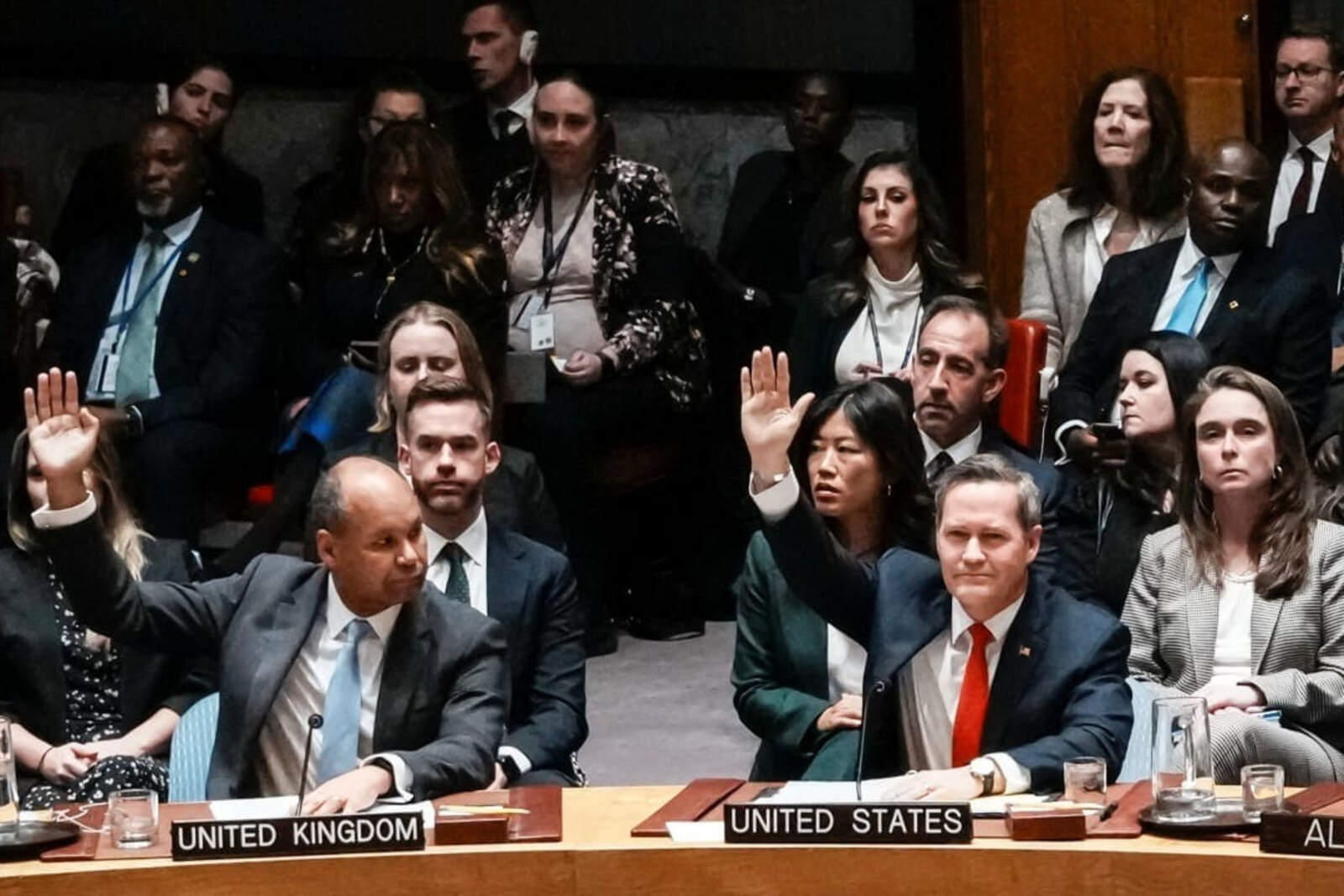
The United Nations Security Council approved U.S. President Donald Trump's proposal to advance a peace plan in Gaza, as well as the establishment of a UN mandate to create the International Stabilization Force (ISF), intended to be deployed in the Strip.
The resolution received broad support: 13 out of 15 members voted in favor, while Russia and China chose to abstain.
The Security Council is composed of five permanent members—the United States, the United Kingdom, Russia, China, and France—and ten temporary members, which currently are Algeria, Denmark, Greece, Guyana, Pakistan, Panama, South Korea, Sierra Leone, Slovenia, and Somalia.
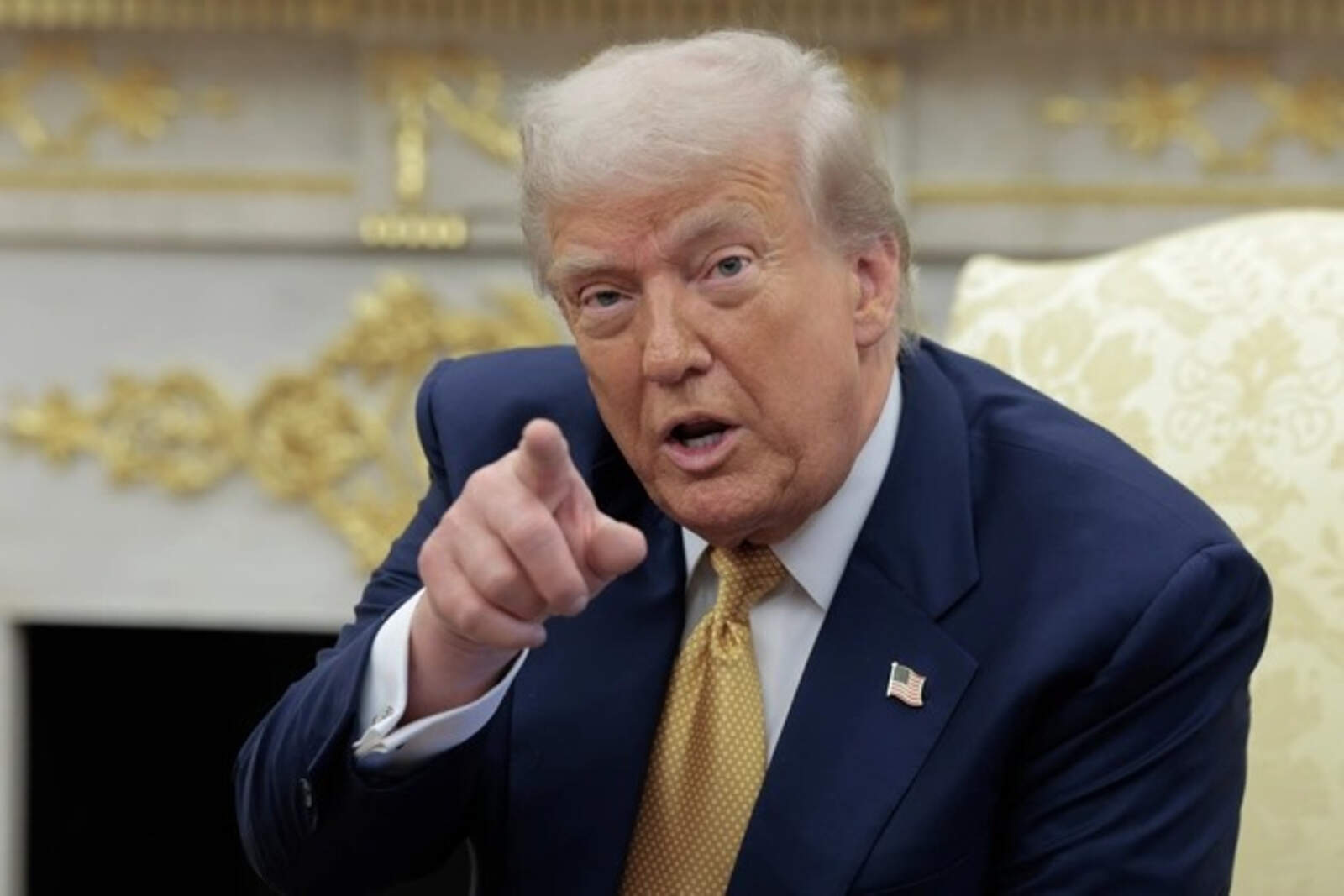
The President of the US, Donald Trump
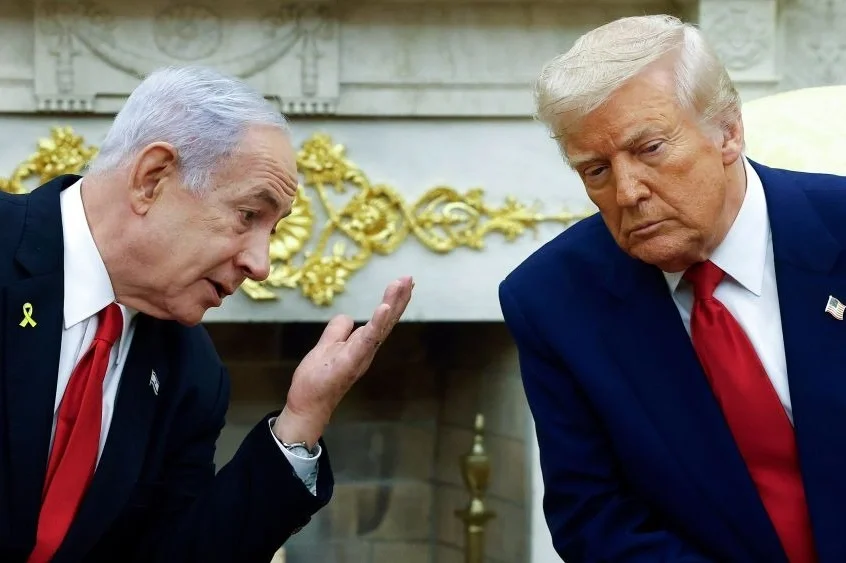
Prior to the session, Israel's ambassador to the UN, Danny Danon, insisted that the international community must explicitly commit to the total disarmament of Hamas.
"The international community must commit to disarming Hamas, and Israel will ensure that this happens, one way or another", he stated. During the debate, Danon reiterated that any serious initiative for Gaza's future requires "the complete disarmament and the prevention of a rearmament of Hamas," according to his office.
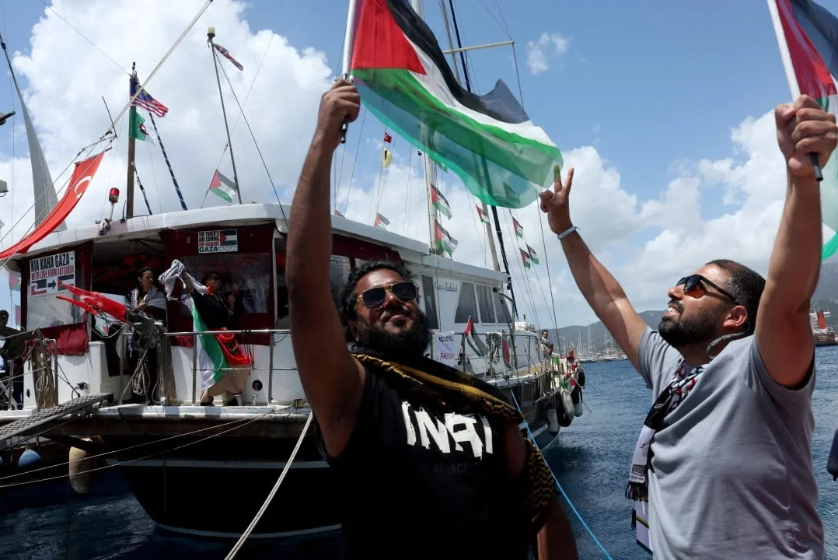
As expected, Hamas immediately rejected the resolution, claiming that it doesn't address the rights or demands of the Palestinians and that it seeks to impose a form of international tutelage over Gaza, something that both the organization and other armed factions openly reject.
The terrorist group stated that assigning the international force internal tasks—including the disarmament of armed factions—"removes its neutrality and turns it into part of the conflict in favor of the occupation".
Despite Hamas's opposition, the vote reflects significant international consensus regarding the need to guarantee security in the Stripand to create the conditions for sustainable reconstruction without the permanent threat of terrorism.
Israel considers that the ISF's mandate, backed by the majority of the Council, constitutes an essential step toward a safer future for Israelis and Palestinians, where extremist armed structures can no longer impose their violent agenda on the region.