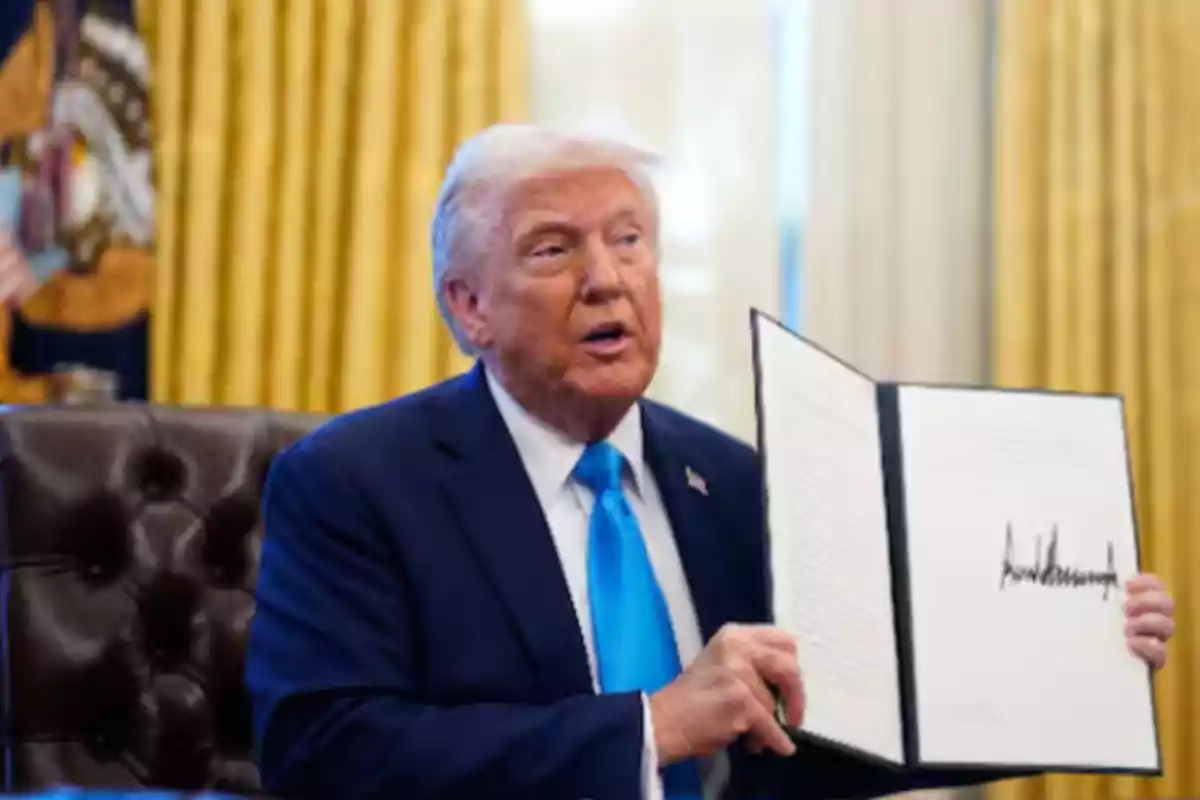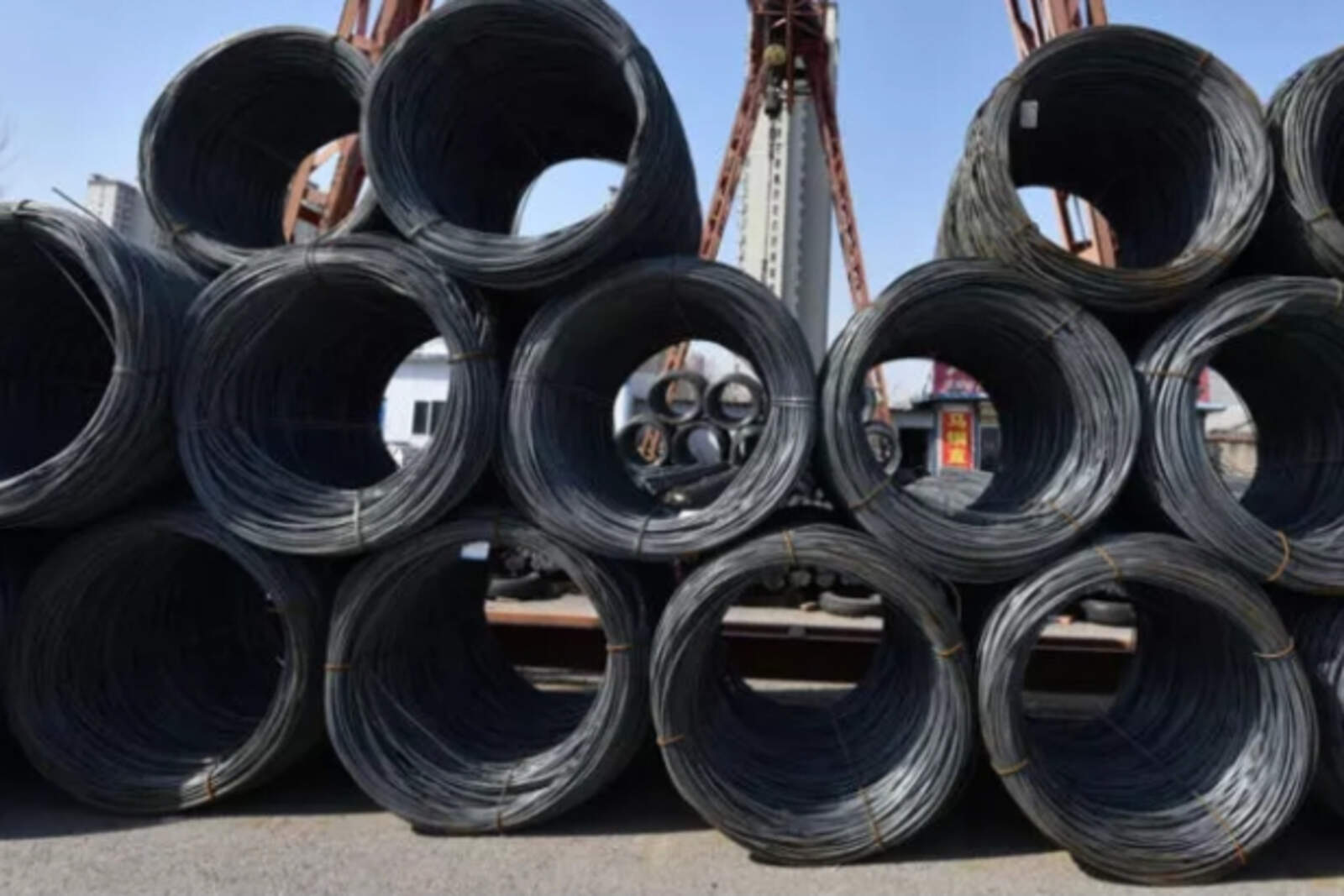

Mexico City, February 16. Mexican steel has acquired a key role in the trade war between the United States and China. The imposition of a 25% tariff by the U.S.
on steel imports has caused tensions that directly impact Mexico, one of the main exporters of this metal to the U.S. market.

Mexico at the commercial crossroads
Mexico faces a complex challenge due to its close trade relationship with the United States and its role in the global steel supply chain.
The Mexican steel industry exports a large part of its production to the U.S., taking advantage of the tariff benefits of the United States-Mexico-Canada Agreement (USMCA). However, the suspicion that Mexico could be serving as a bridge for Chinese steel has put this relationship at risk.
Accusations of triangulation and compensatory measures
The United States has expressed its concern about the possible steel triangulation, meaning that Chinese-origin steel enters Mexico and is then exported as a Mexican product, evading the tariffs imposed on China.
To avoid sanctions, the Mexican government has implemented compensatory quotas and reviews of Chinese steel imports, seeking to demonstrate its commitment to established trade rules.
Impact on the Mexican industry
Trade restrictions have caused uncertainty in the Mexican steel sector. Companies in the field face the increase in costs and the need to diversify markets for their products.