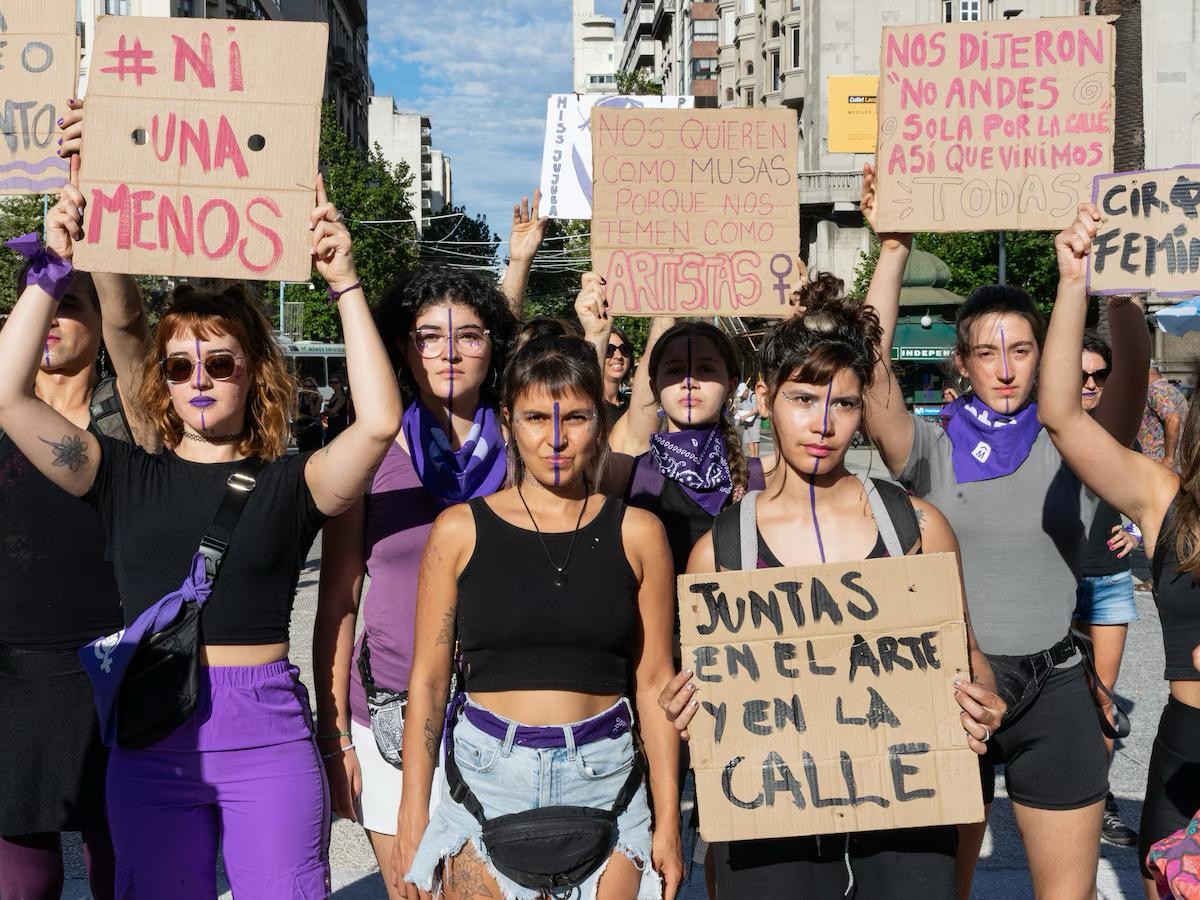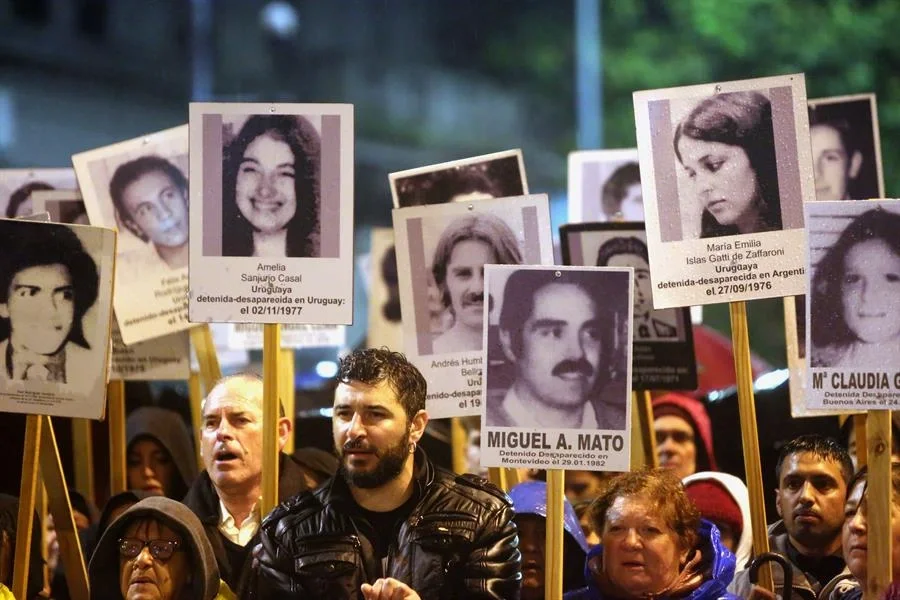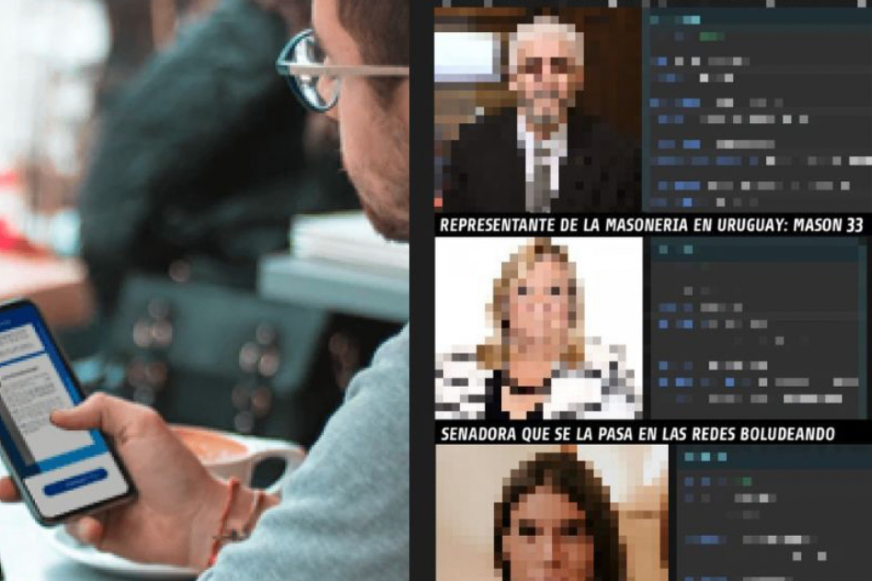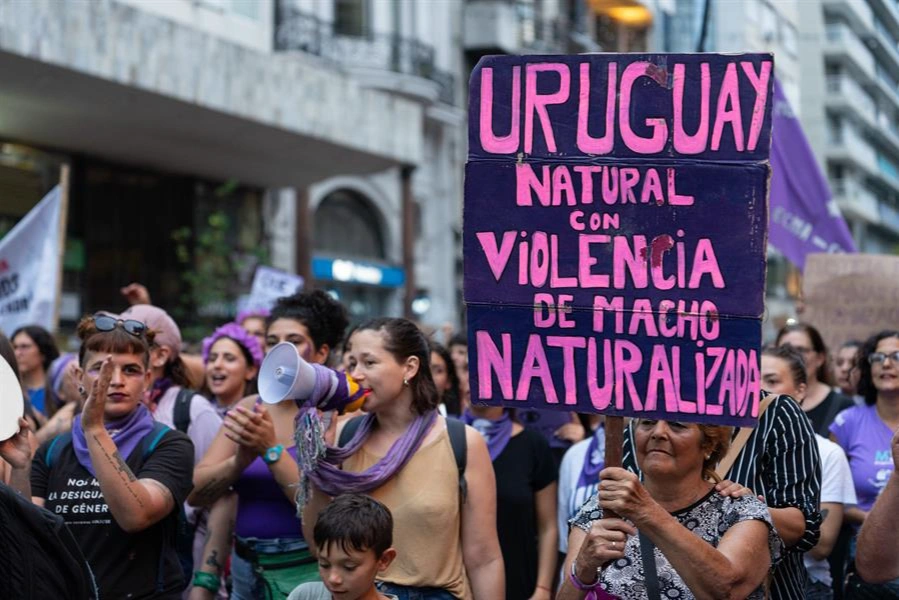

Uruguayan feminism, as presented today, is not a movement for equality, but a radical ideology that seeks to impose supremacy under the guise of progressivism. What began as legitimate demands for basic rights in the democratic transition has been transformed into a power machinery that infiltrates institutions, imposes mandatory quotas, censors dissenting voices and criminalizes natural masculinity. Groups such as Cotidiano Mujer —founded in 1985— and the historic Uruguayan Women's Alliance have been key to this infiltration, promoting agendas that range from the decriminalization of abortion to comprehensive sex education, which in practice functions as indoctrination in schools to erode the
nuclear family and traditional values.Uruguay boasts of advances in rights, but the results are disastrous. The country has one of the highest rates of femicide in Latin America: according to recent data from ECLAC for 2024, the region has accumulated thousands of cases, and Uruguay remains at alarming levels despite decades of “gender” policies. This victimist and divisive approach does not resolve violence; it exacerbates it by polarizing society, ignoring deep cultural causes, and prioritizing
ideological narratives over real solutions.This movement does not defend specific women: it exploits them as political pawns. While demanding a “national emergency” for gender-based violence—a serious problem that requires comprehensive, non-sectarian responses—they evade uncomfortable facts: mothers are primarily responsible for many child homicides in early childhood, but radical feminist activism encourages the elimination of parental rights