
With a disgustingly progressive title, the Frente Amplio government is promoting an identity-based pedagogy that threatens to destroy the essential pillars of traditional education.
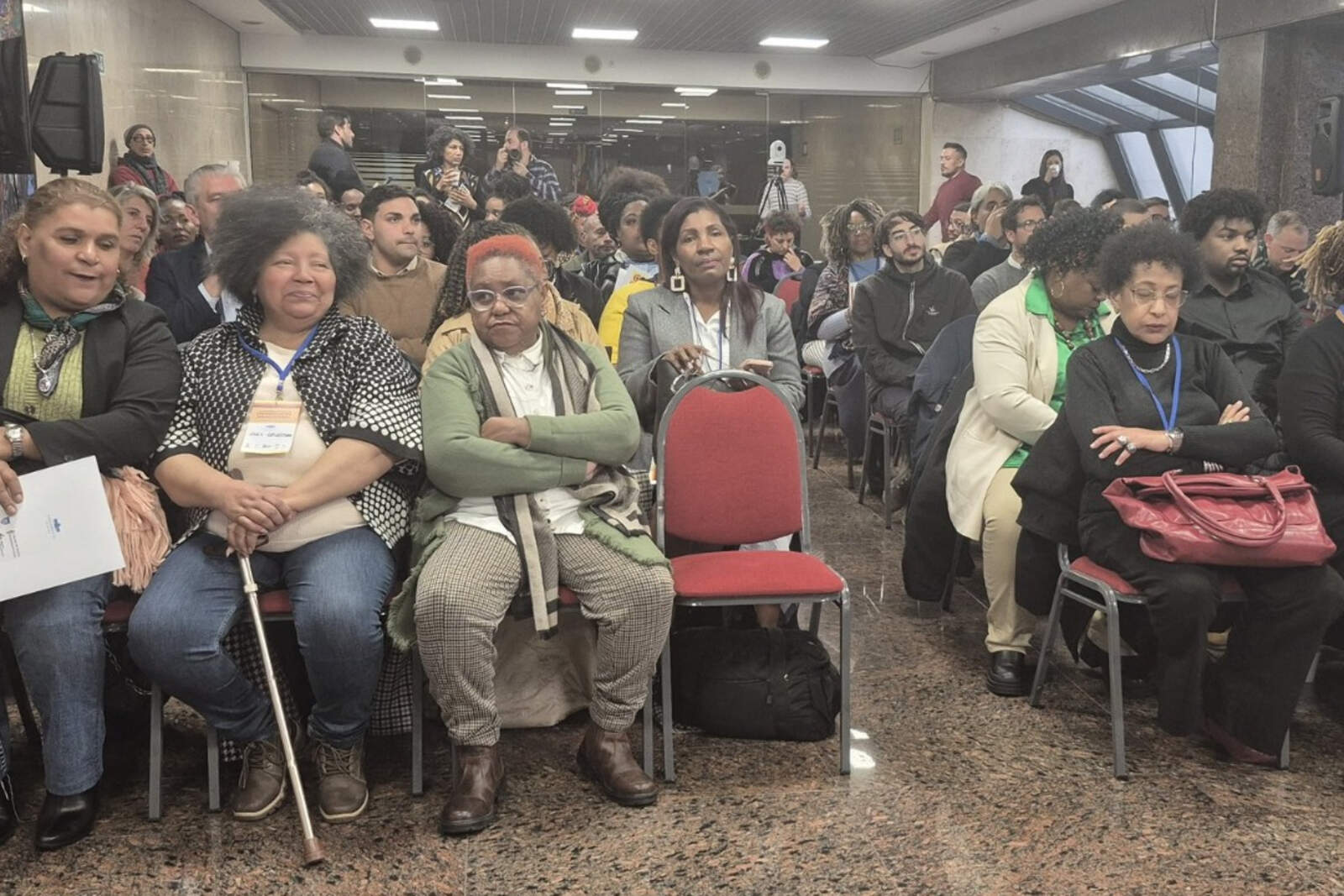
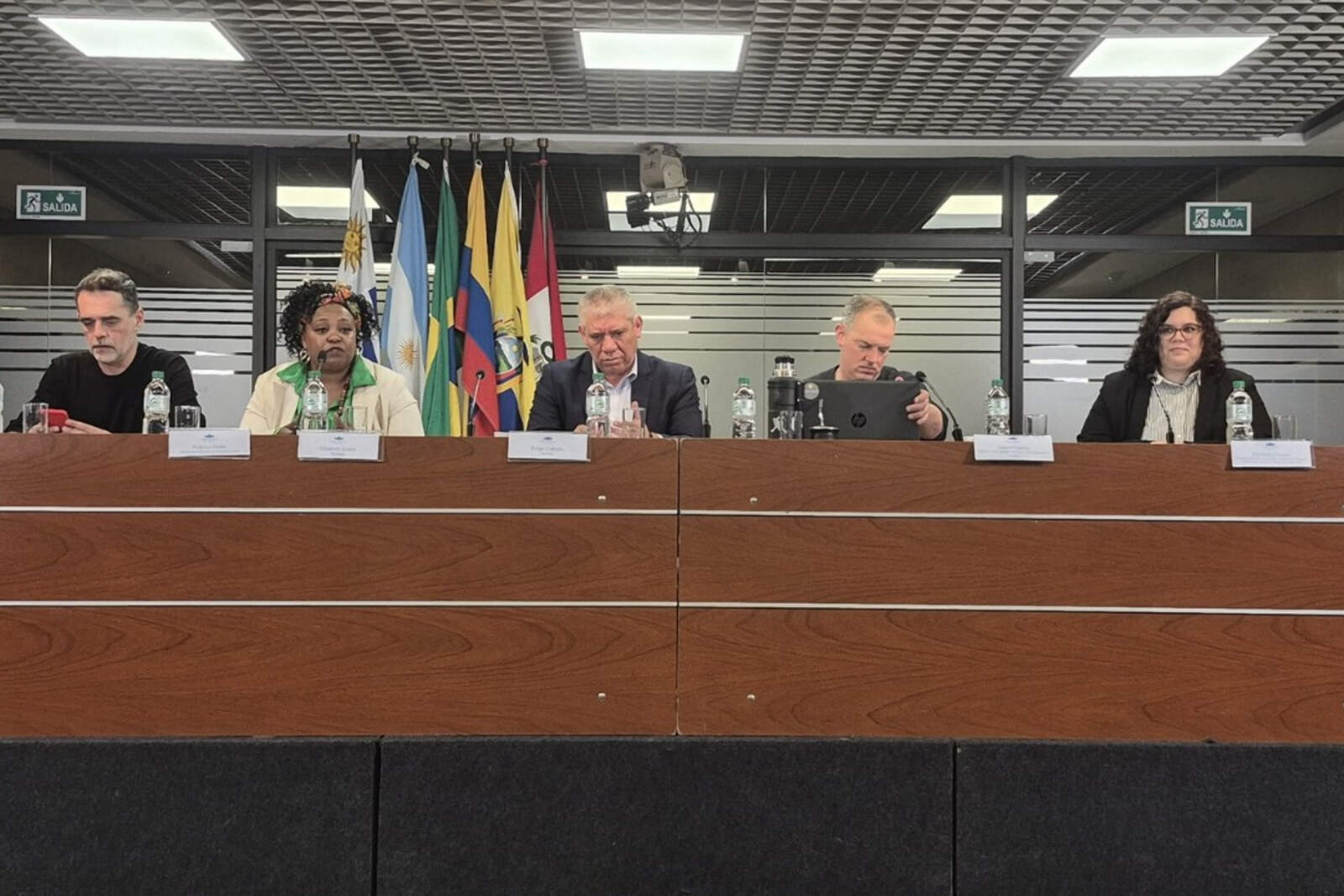
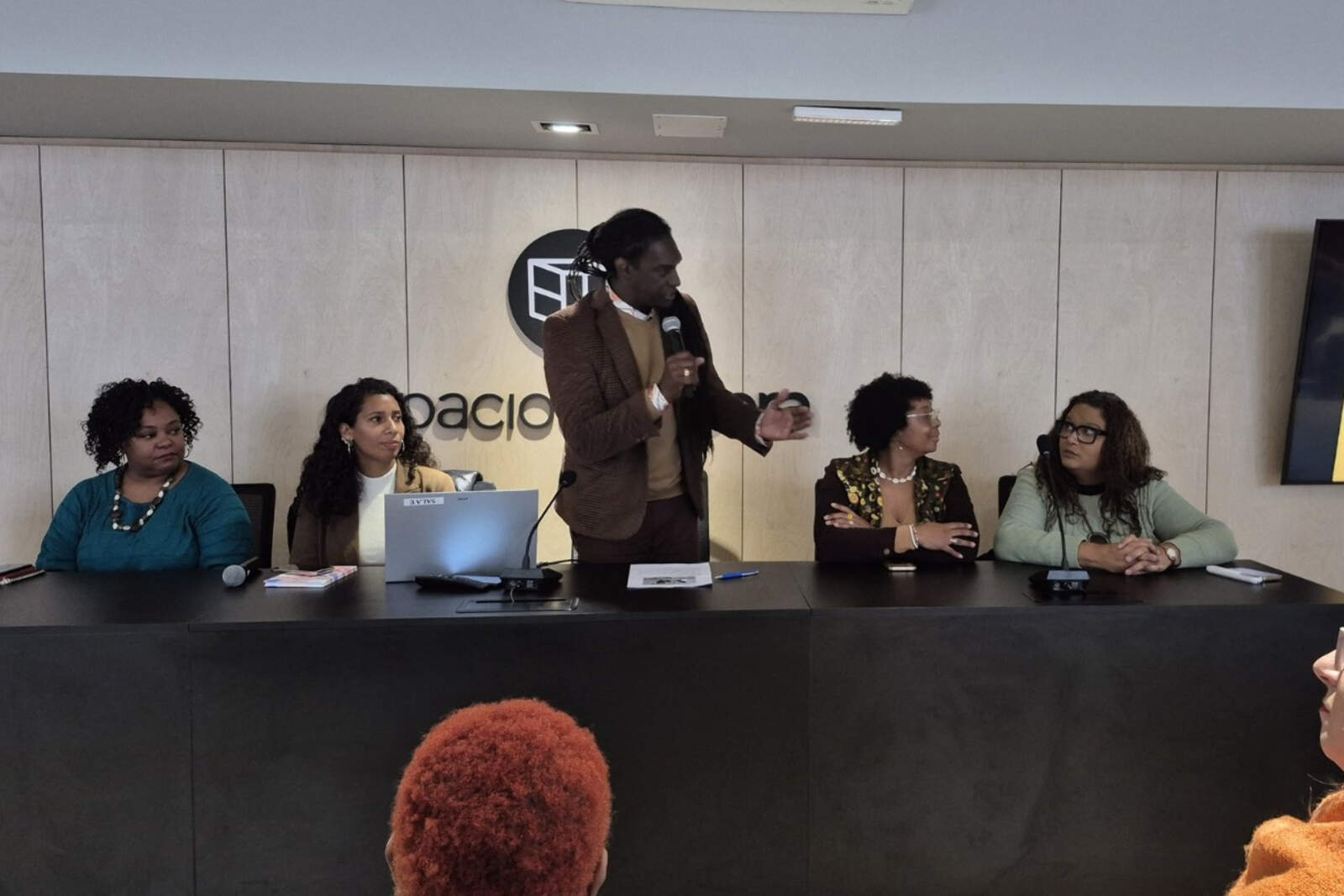
On July 21 and 22, Montevideo was the setting for the First Regional Meeting of Afrocentric Ethnoeducation, supported by the Ministry of Education and Culture, the University of the Republic, MIDES, CODICEN, the Human Rights Secretariat of the Presidency, and various "Afro" collectives.
An authentic laboratory of ideological engineering was deployed: the imposition of a "decolonizing" and "Afrocentric" educational model that directly undermines the values of classical, universal, and meritocratic education.
You may also be interested in...
The meeting, promoted by groups such as the Colectivo de Estudios Afrolatinoamericanos, Agrupación Xangó, and Mizangas, also had the support of international networks like the Black & Indigenous Liberation Movement.
The event served as a platform to redefine the educational system from the logic of racial resentment. This is an education not based on merit or objective knowledge, but on the subject's identity category: which ethnic group they belong to, how they self-identify, which "structure of oppression" they claim to belong to.
A roundtable to undermine the law
The Human Rights Secretariat of the Presidency, currently led by a trans person, set up a roundtable to question Law No. 17,817 against racism. The argument: twenty years after its approval, the law is no longer sufficient. Why? Because it doesn't censor enough.

The secretary, Collette Spinetti, was clear: "The law doesn't address hate speech on social media." Through the discourse of "prevention," the aim is to criminalize opinions and restrict essential freedoms, relying on a positive right that expands as it reduces the freedom of others.
You may also be interested in...
The public university as an ideological apparatus
Since 2023, the University of the Republic has declared itself "anti-racist," abandoning its vocation for universality to embrace a particular cause: ethnopolitics as the axis of its institutional model.
The president of the Central Service for University Inclusion and Welfare at Udelar, Mercedes Pérez, announced that the Budget Law is expected to include a "specific service window for people of African descent", an absolutely discriminatory initiative.