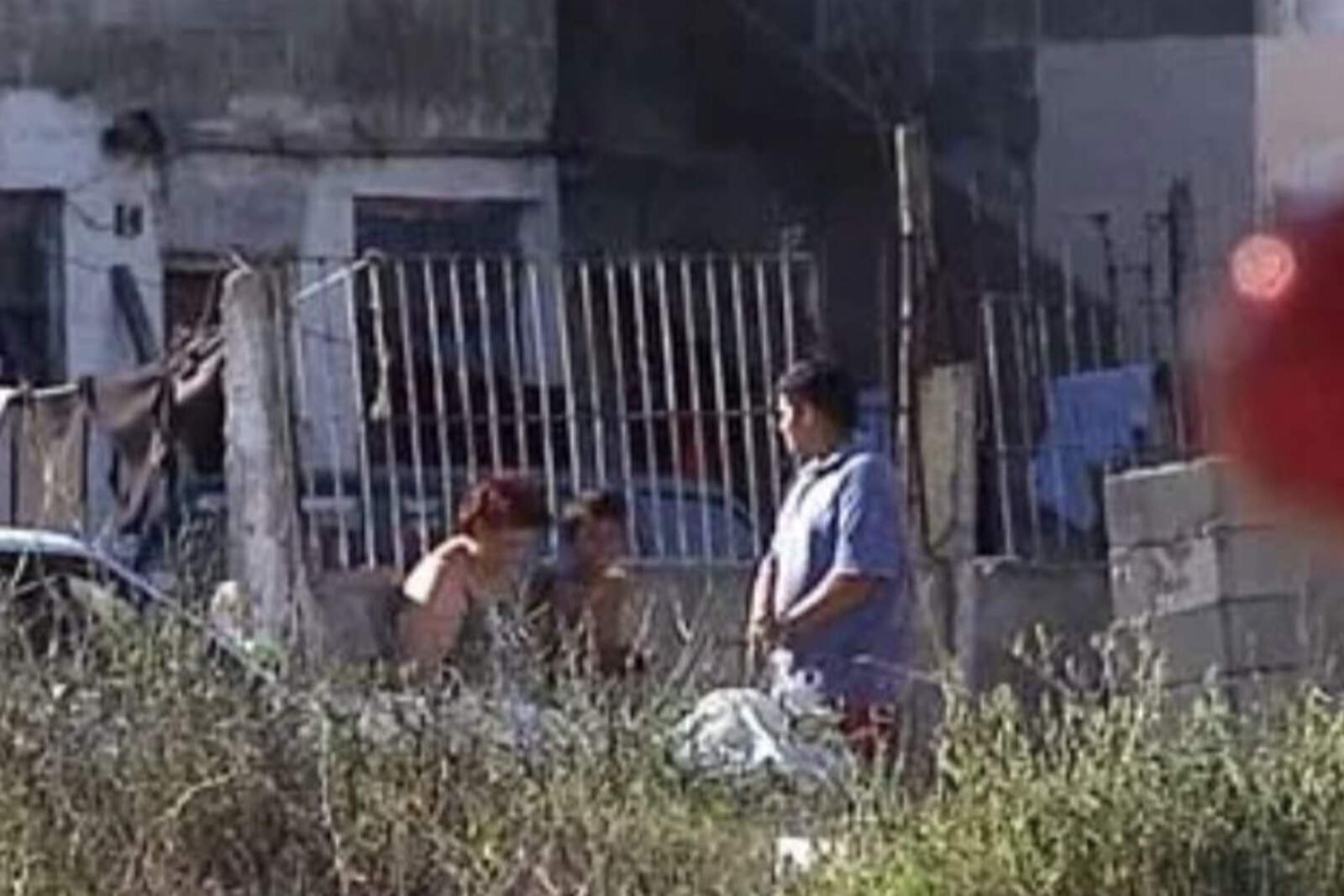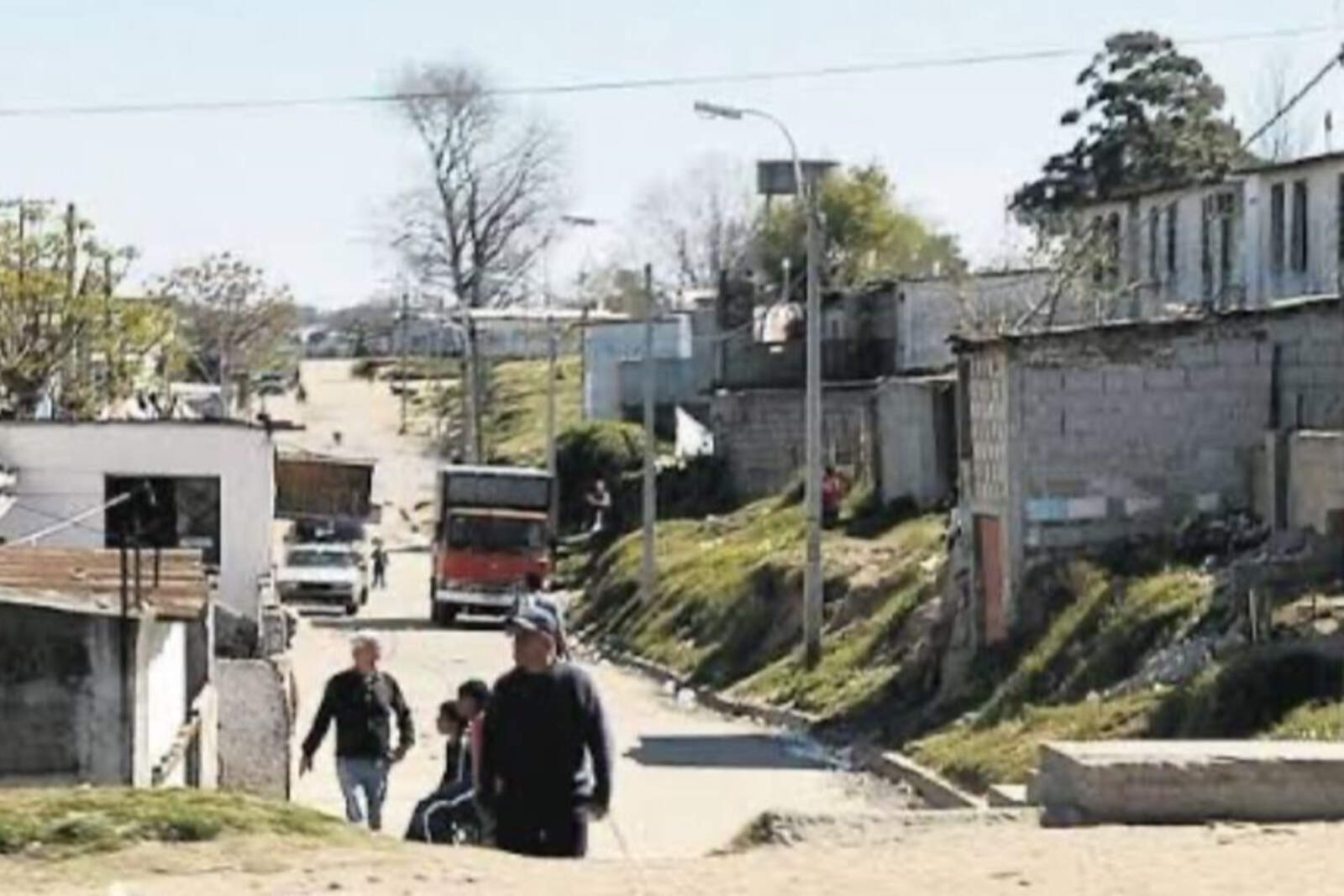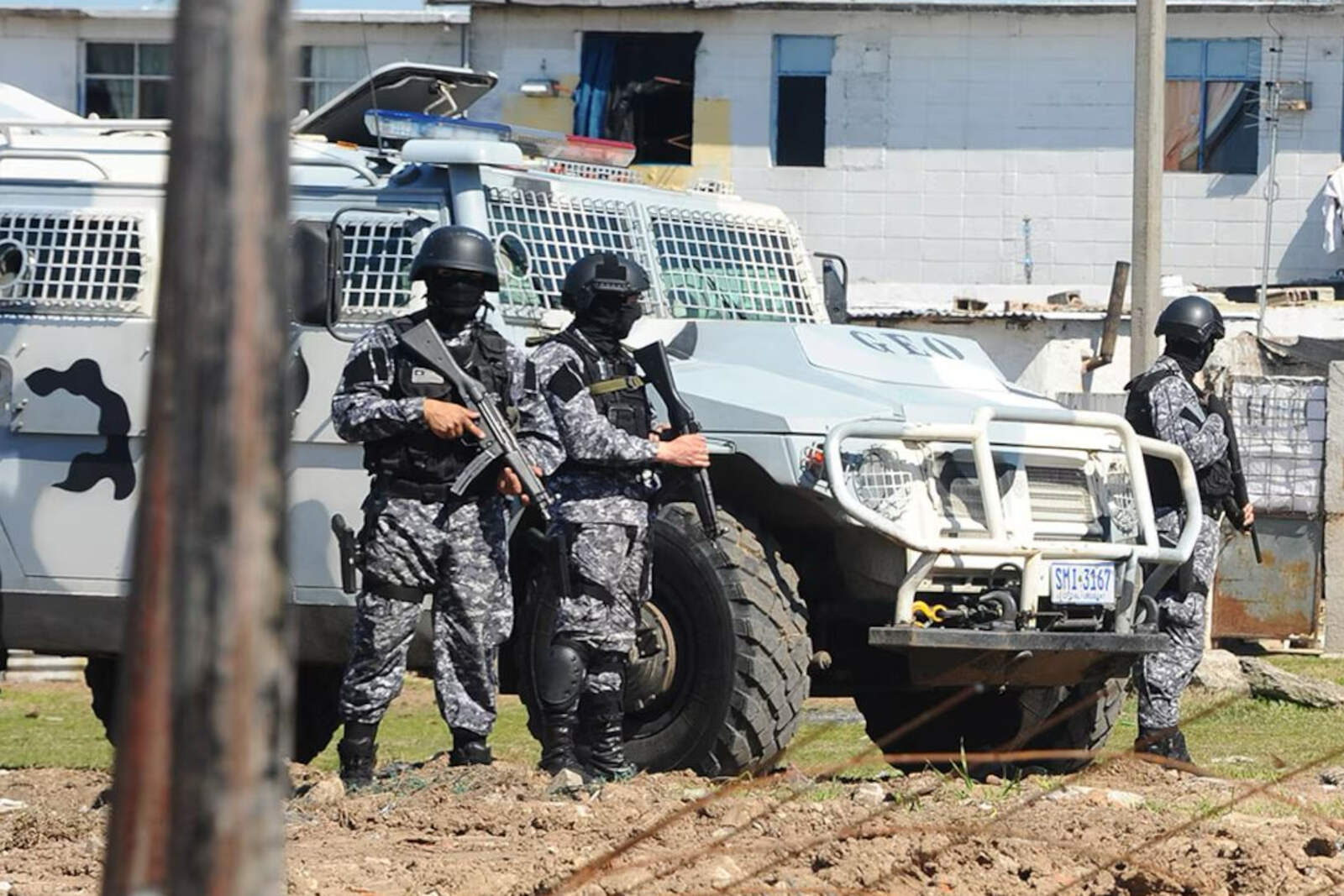

In Montevideo, saying "Casavalle" is no longer just naming a neighborhood. It is pronouncing an emergency.
The 2023 numbers are so stark that they allow no euphemisms: Casavalle's basin closed the year with a rate of 36.8 homicides per 100,000 inhabitants, almost four times above the national average (which is around 9.5-10 per 100,000 according to the latest official data from the Ministry of the Interior).
The deaths
Translated to everyday life: in Casavalle, people are killed four times more than in the rest of Uruguay.
That is only counting completed homicides. If attempted homicides, shootouts, firearm injuries, violent robberies, and drug extortion are added, the sense of a permanent siege ceases to be "perception" and becomes a diagnosis.
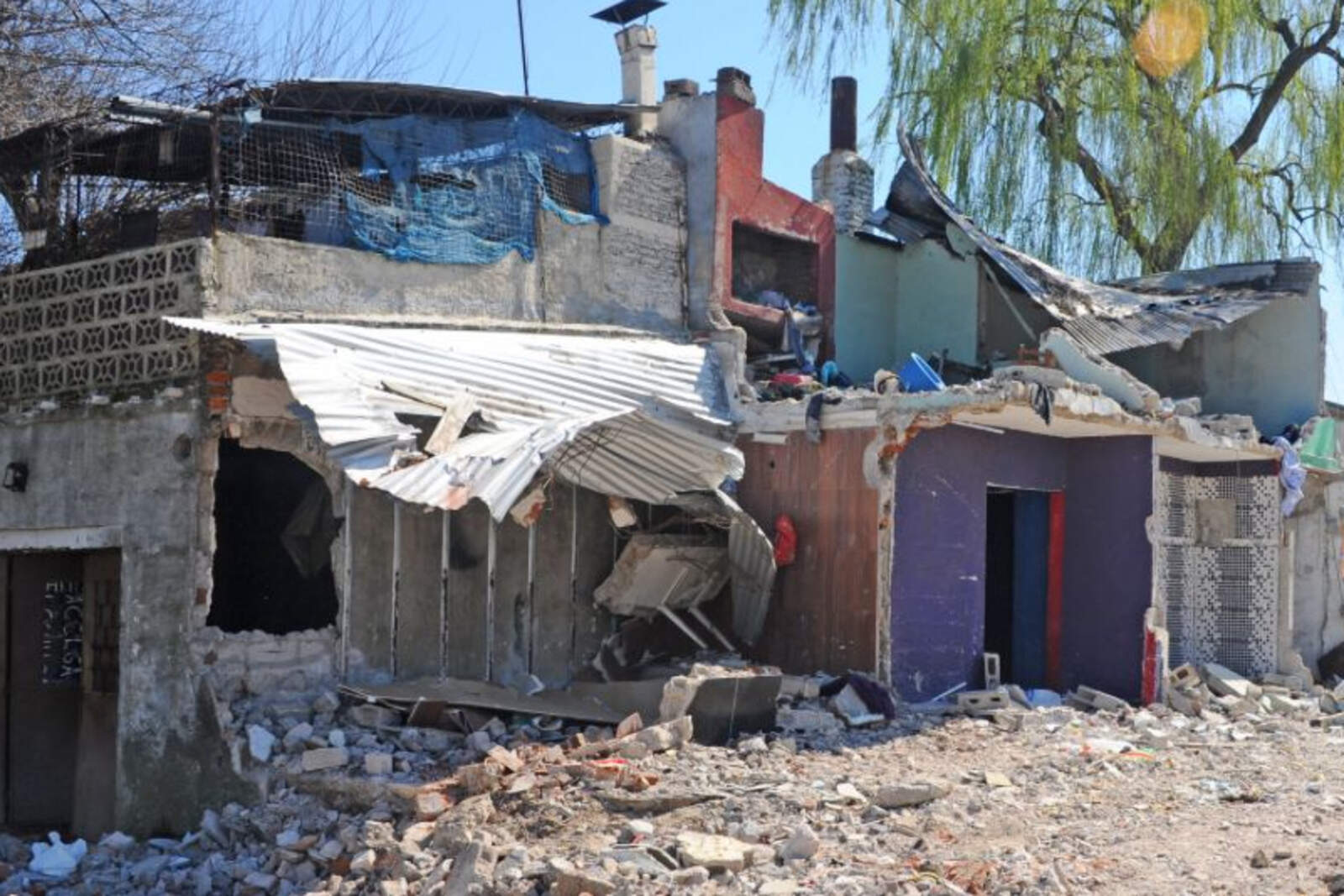
Residents say it bluntly: "Here, crime rules." It is not a campaign slogan or a sensationalist headline.
It is the summary given by mothers who do not let their children go out after six in the evening, shopkeepers who pay "tolls" to be able to open their shutters, and teenagers who know perfectly well which corner not to stop at because "it's a drug dealing spot."
The State retreated
The State, in practice, retreated. There is a police presence, yes, but it is intermittent and almost always reactive: it arrives after the shooting, not before.
Video surveillance cameras help clarify some cases, but they do not prevent anything when criminals act barefaced and with long guns.
The public school lost ground; there are classes that end at 4 p.m. because after that "it gets dangerous."
Buses divert their routes or simply do not enter certain areas when the sun goes down.