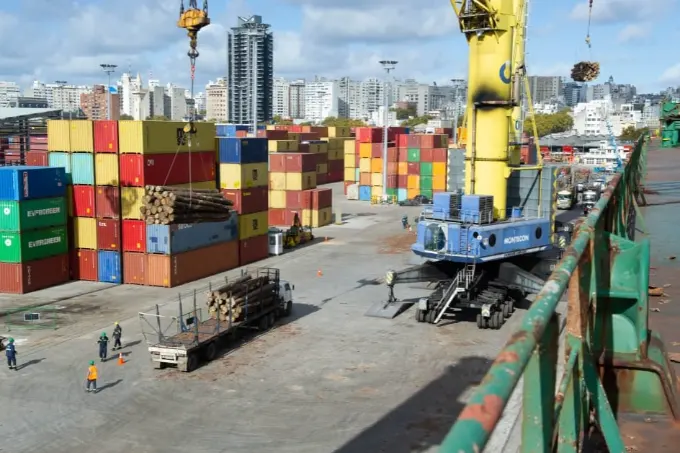
The conflict between Terminal Cuenca del Plata (TCP), controlled by Katoen Natie, and the Unique Port and Related Branches Union (SUPRA) has already accumulated nearly 44 days of disruption to operations so far in 2026. This figure exceeds the 35 days recorded throughout 2025, according to data from business chambers and the Union of Exporters of Uruguay (UEU).
The origin of the dispute lies in the negotiation of a new collective agreement. The talks, which began at the start of the year and included more than 40 meetings, have stalled on key points: the peace clause, the duration of the agreement, and the number of guaranteed workdays. The previous agreement expired at the end of April, and since then, union measures have impacted, on average, more than 70% of container movement.
In the absence of an agreement, the Executive Power established on September 11 a minimum services regime through the Ministry of Labor and Social Security (MTSS) and the Ministry of Transport and Public Works. The resolution, of a temporary nature, requires ensuring the loading and unloading of ships, the reception of containers (with a minimum of 25 per hour by road transport), storage, and the handling of refrigerated, perishable, or health-sensitive cargo.
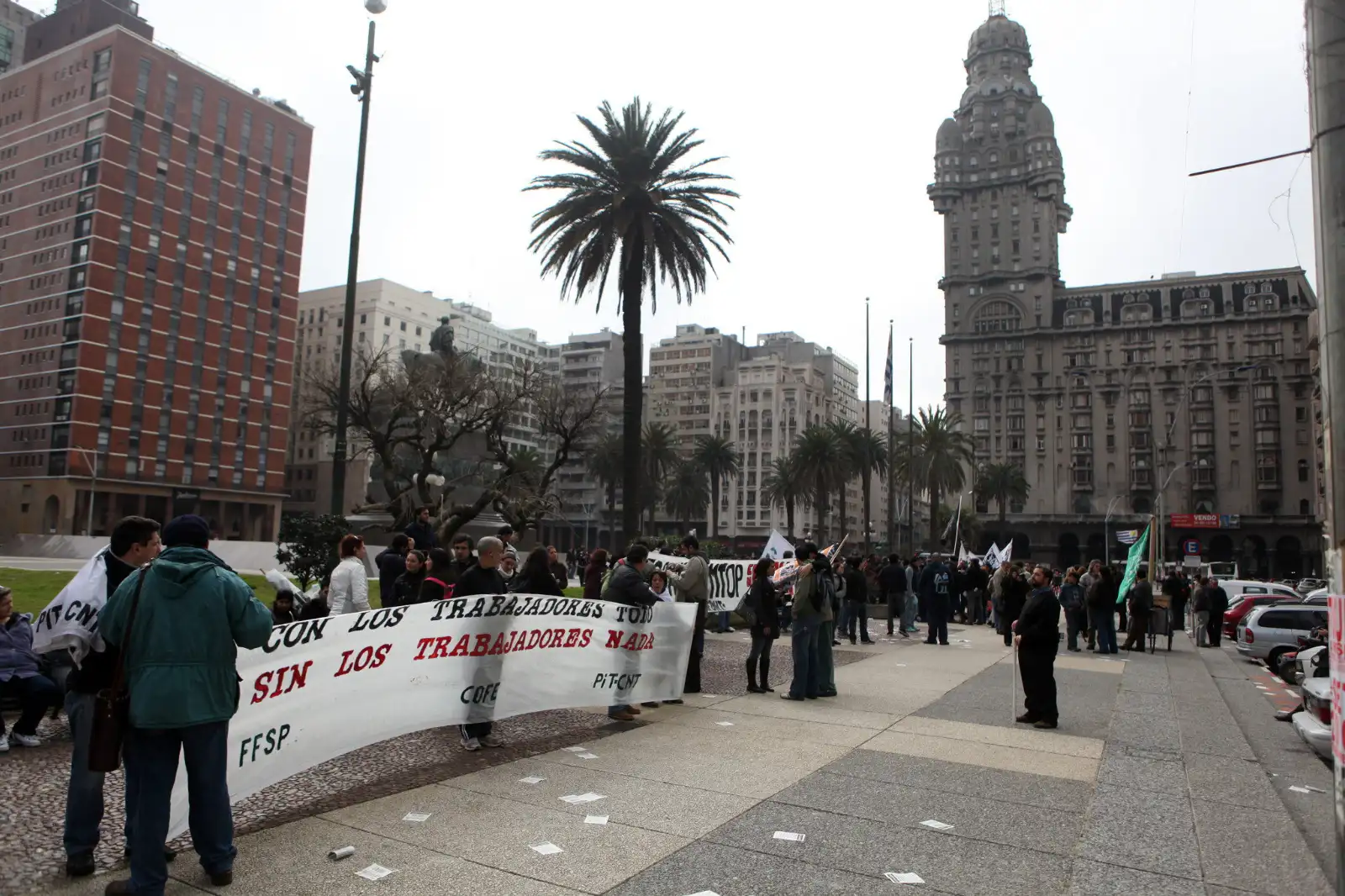
The SUPRA rejected the measure. It described it as “arbitrary and harmful” to the right to strike, decided to file a complaint with the International Labor Organization (ILO), and called for nationwide strikes, including one for 24 hours. At the same time, the union suspended the possibility of a national strike of 48 hours at all ports in the country.
In recent hours, the MTSS presented a proposal for rapprochement. The intermediate formula suggests increasing the guaranteed workdays from 20 to 21 starting in May 2027, seeking medium amounts in extraordinary payments, and resuming tripartite dialogue imminently. The parties are analyzing the document while the terminal operates under the minimum services regime.
From the business sector, there are warnings that the interruptions are already causing consequences that go beyond the port: delays in exports and imports, increased costs, shortages of supplies, and damage to the country's image as a logistics destination. Some shipping companies may have chosen to skip the stop in Montevideo.
The conflict remains open. Both the company and the union have reiterated their willingness to negotiate, although the fundamental differences on the central points of the agreement have not yet been resolved. The government insists on tripartite dialogue as the way to unlock the situation. This clearly will not yield results.