
Old Problems, New Challenges
In order to avoid repeating the same mistakes, it is necessary to know the past, analyze it, and look for behavioral patterns that persist throughout history; conflicts that will cyclically resurface.
The Echoes of the Past
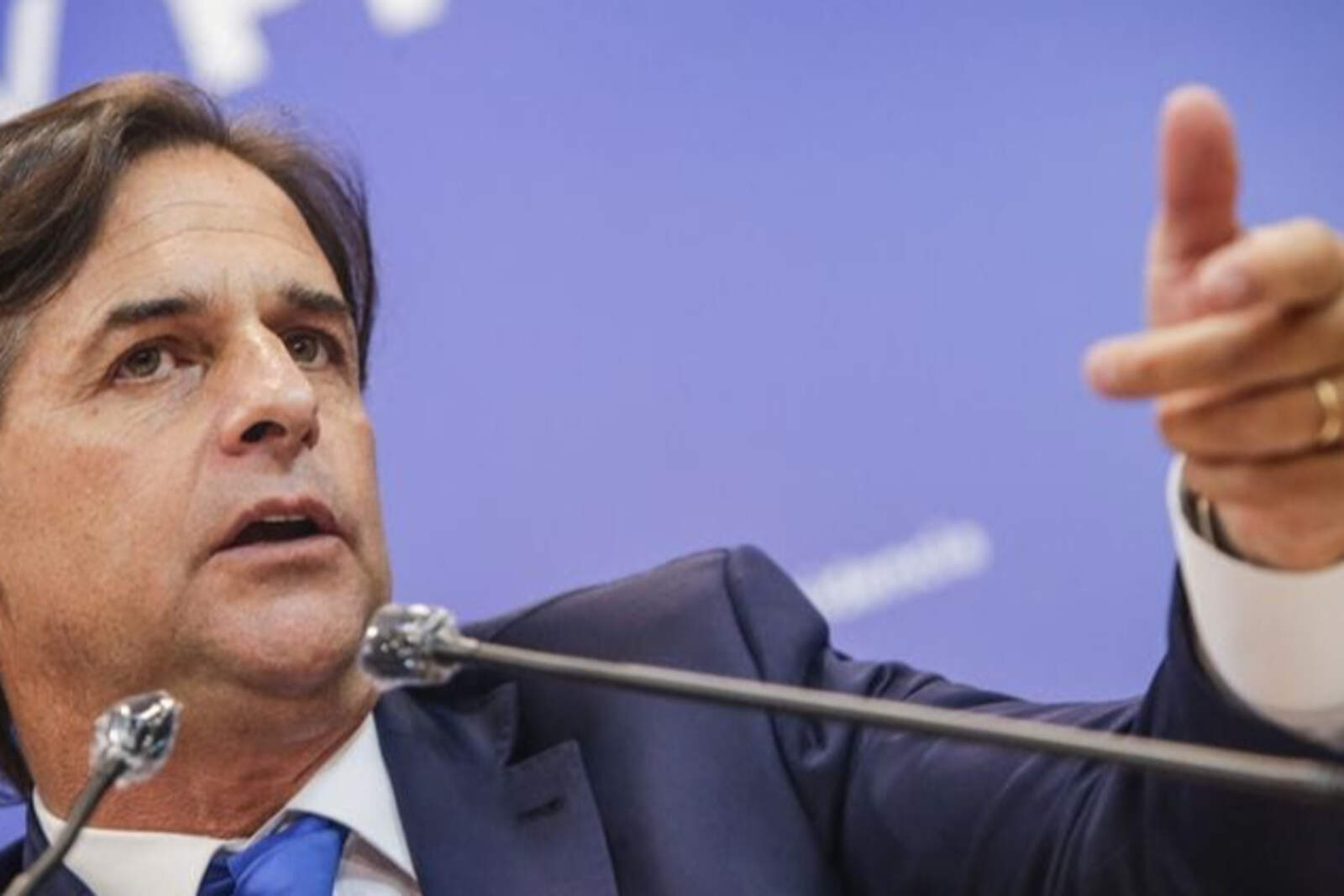
The personalism embodied in Herrera, as his internal detractors said, was a danger to the party's future. Today, Herrera's great-grandson, Lacalle Pou, already seems like a danger to his party's future due to excessive personalism. This could lead from party unity to confrontation at some point.
Partido Nacional is a party with very strong traditions, of leaders or caudillos who, when they accumulated too much power, also began to face great resistance, a result of the intrinsic rebelliousness of the Blanco sentiment. This is how internal questioning and opposition arose, sometimes so deep that they caused enormous fractures and divisions.
These divisions led to the creation of new opposition groups to the ruling party, and even new parties with Blanco leaders who forged their own path outside, dividing the nationalist electorate for decades, such as Partido Blanco Radical (1925-1933) or Partido Nacional Independiente (1931-1958).
You may also be interested in...
In this last case, the conflicts arose from the political decisions made by Herrera: his support for Perón, the rejection of U.S. aid during the Cold War, and the pacts with Partido Colorado, including his support for Terra's dictatorship. These decisions caused very difficult internal wounds to heal, affecting the most popular caudillo of Partido Nacional and causing new splits.
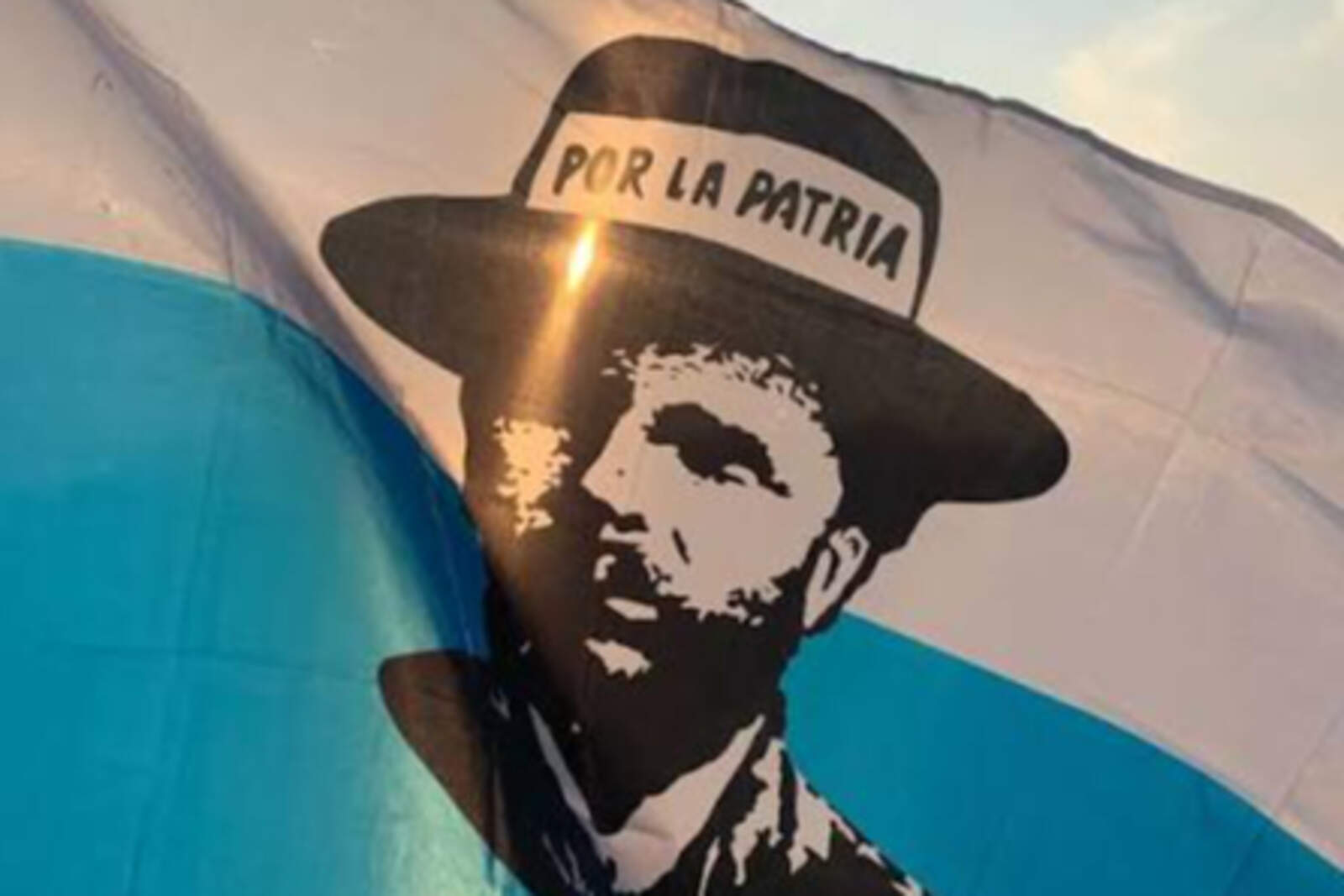
In my view, it was one of the periods of greatest conflict within the Blanco ranks, with strong ideological debates that transcended the concept of left and right.
Current Diagnosis
Blanco history has already shown what happens when a part of the electorate doesn't feel represented. Today, many ordinary Blancos, the authentic Blancos, do not feel represented; dissatisfaction is growing on social media and at public events, while the leaders seem not to understand what is being demanded of them.
A firm stance is being requested in the face of Frente Amplio's voracious advance against freedom and institutions. However, nationalist leadership is suffering a political-ideological crisis: lack of ideas, loss of values and identity, disconnection from the grassroots, and a total absence of self-criticism after the electoral defeat.
You may also be interested in...
To a large extent, Álvaro Delgado is directly responsible for the campaign mistakes, but also Lacalle Pou, by approving his secretary as a candidate on list 404, which ceased to be the most voted. Personalism created a president with high approval, but without electoral growth for the party: the government consumed the party.