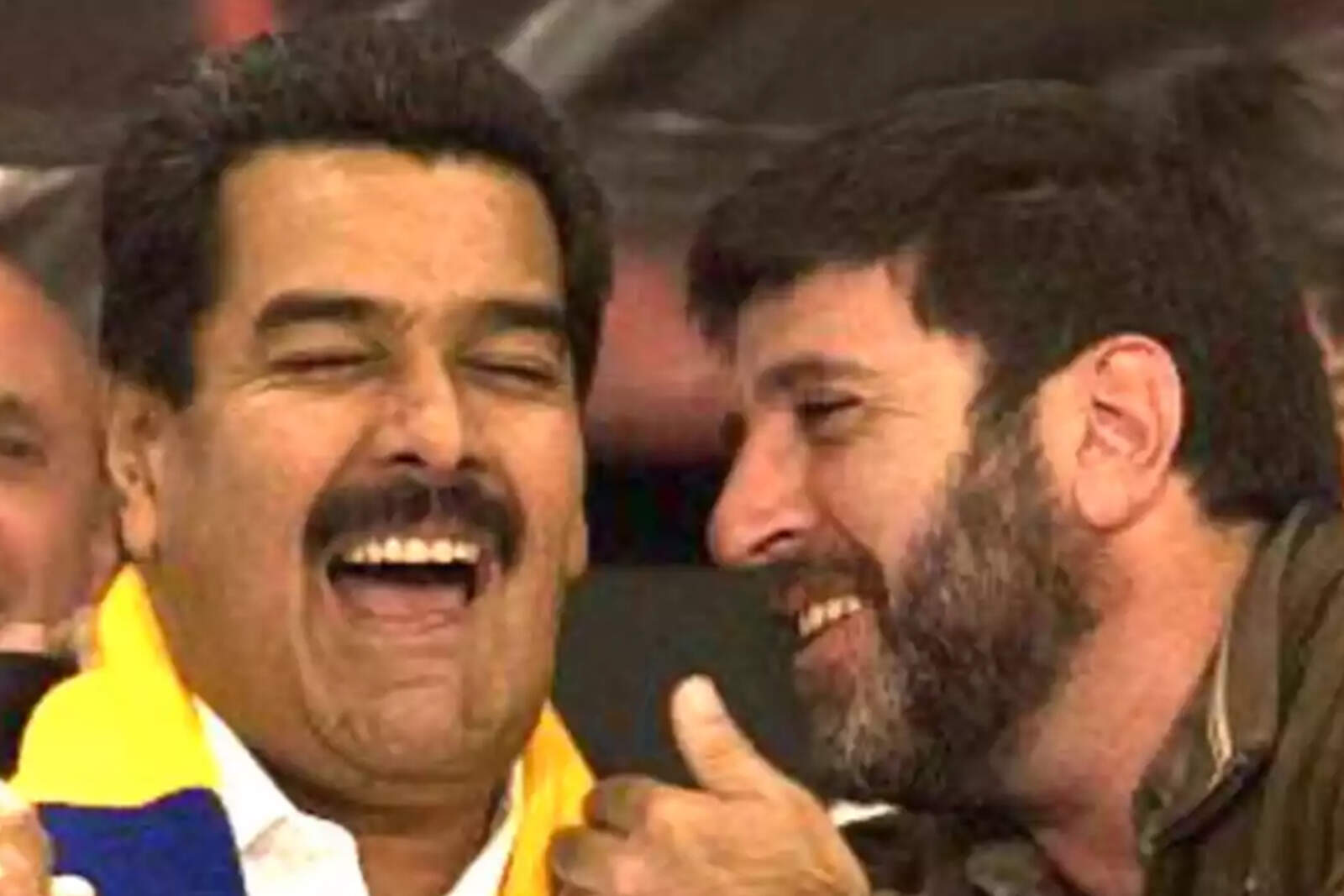
Nicolás Maduro's political collapse in Venezuela laid bare a deep contradiction within the Uruguayan left: while thousands of Venezuelan immigrants living in Montevideo celebrated in Plaza de la Bandera the end of what they considered a long period of repression, sectors of the left called for marches condemning Maduro's "overthrow," labeling it a "kidnapping" of the president.
Popular celebration vs. ideological narrative
Venezuelans in Uruguay gathered in Plaza de la Bandera with flags, chants, and emotion, maintaining that the episode marked a victory for freedom and hope.
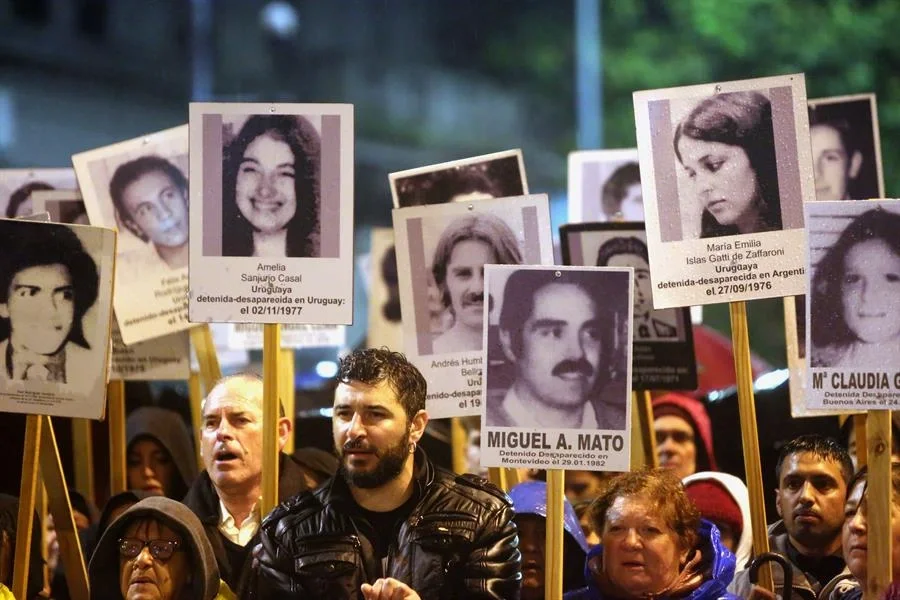
At the same time, groups linked to the Uruguayan left, such as labor unions, student organizations, and the Frente Amplio, promoted a march accusing foreign intervention of being an "imperialist attack" and denounced what happened as an illegitimate act against a sovereign government—despite decades of systematic human rights violations and repression in Venezuela.
Double standard and dogmatic defense
This reaction illustrates an ideological bias: when right-wing or center-right governments face internal crises, the left usually harshly condemns their actions; but when a left-wing regime accumulates evident violations of freedoms, the response is to justify, relativize, or blame external factors.
Social networks and polarization
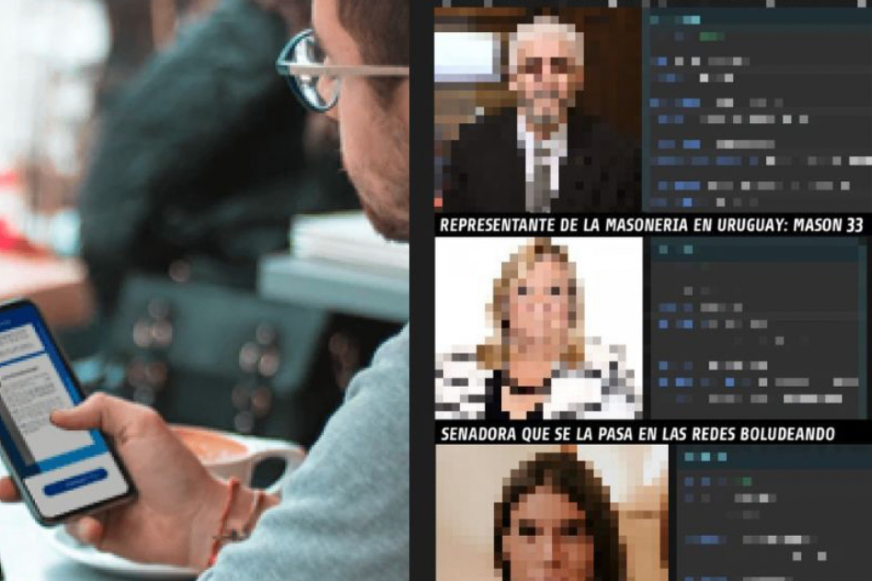
What happened in the digital space was not minor. Uruguayan social networks were filled with harsh comments from left-wing sympathizers toward Venezuelans who, from their personal history of suffering and exile, celebrated the political change in their country.
Those messages of rejection not only singled out Venezuelans for not aligning themselves with the ideological narrative repeated in certain left-wing sectors, but they also reveal how, in practice, a complex geopolitical issue was transformed into a field of hatred and internal polarization, where disagreement often became an attack on people who were simply expressing relief and hope.
Contrast with Uruguay's political history
In the past, even left-wing governments such as the Frente Amplio had critical positions toward Maduro.
Today, the predominant interpretation on social networks and in demonstrations in January 2026 was different: more defensive of the displaced regime than of those who suffered its consequences.
Conclusion: a left trapped in its own narrative
The response of the Uruguayan left to Maduro's overthrow illustrates a broad phenomenon:
- a tendency to prioritize ideological labels over the recognition of realities experienced by millions of people,
- a willingness to relativize authoritarian abuses when they come from certain political spectrums,
- and a polarization so deep that even those who celebrate the advance of freedom are attacked because of their own narrative.
Intellectual consistency and respect for the diversity of experiences require calling things by their name and, above all, listening to those who have personally experienced the consequences of an authoritarian regime, without reducing their expectations and feelings to mere doctrinal constructions.