
La Derecha Diario logo
ESX logoInstagram logoYouTube logoTikTok logo
ARGENTINABOLIVIAECUADORISRAELMEXICOURUGUAY
  • ESXInstagramYouTubeTikTok
  • Secciones
  • ARGENTINA
  • BOLIVIA
  • ECUADOR
  • ISRAEL
  • MEXICO
  • URUGUAY
  • Países
  • La Derecha Diario logoLA DERECHA DIARIO
  • La Derecha Diario México logoLA DERECHA DIARIO MÉXICO
  • La Derecha Diario Uruguay logoLA DERECHA DIARIO URUGUAY
  • La Derecha Diario Ecuador logoLA DERECHA DIARIO ECUADOR
  • La Derecha Diario Bolívia logoLA DERECHA DIARIO BOLÍVIA
  • La Derechadiario República Dominicana logoLA DERECHADIARIO REPÚBLICA DOMINICANA
  • La Derecha Diario Israel logoLA DERECHA DIARIO ISRAEL
  • El Diario
  • QUIENES SOMOS
  • AUTORES
  • PUBLICIDAD
  • DONAR

The minister who came to manage defeat

The minister who came to manage defeat
Black
porEditorial Team
Uruguay

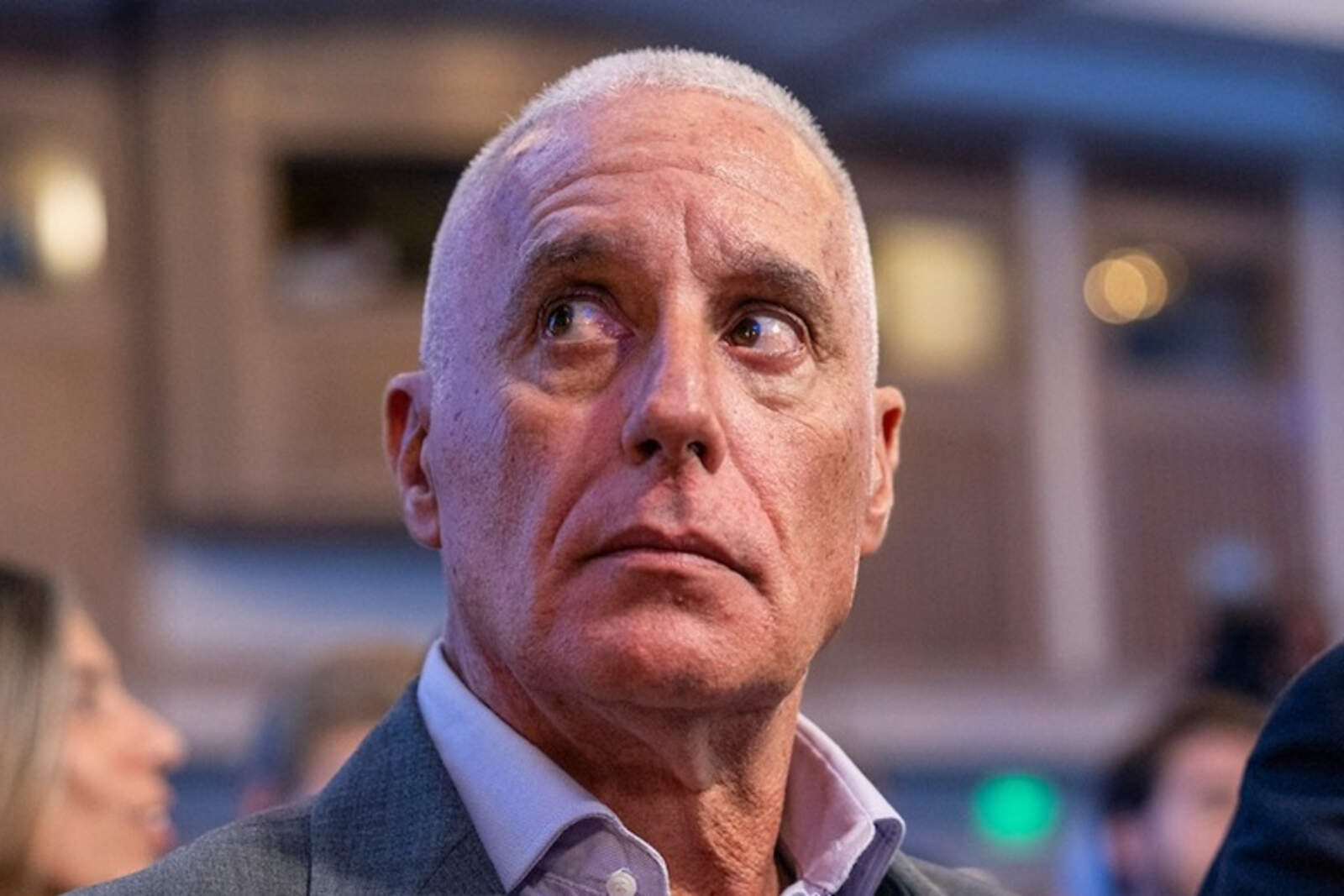
Interior Minister Carlos Negro is defeated in the face of crime, and citizens feel extremely insecure


There are ministers who take office to change reality. There are others who take office to explain it. To translate it into theory, to give academic names to the deterioration, and to convince people, with great eloquence, that what is wrong is actually what should be expected.

Carlos Negro did not arrive at the Ministry of the Interior with a plan. He arrived with a verdict.

While he still had the position in his pocket, before he had even set foot in his office, he publicly declared that the war against drug trafficking "is lost." It was not an outburst. It was not a phrase taken out of context. It was an ideological definition stated with total conviction. When the country reacted, he did not correct himself: he doubled down. He said that "the fantasy of defeating drug trafficking has failed with total success, here and everywhere in the world."

It is difficult to fight something that one has already decided is invincible

One year later, the balance sheet is on the table: 369 homicides in 2025, according to the ministry he leads. A rate of 10.3 per 100,000 inhabitants that more than doubles that of Argentina and Chile. The most revealing thing is not the number itself, but the series: 383, 381, 382, 369. Four consecutive years that are practically identical.

A plateau of blood that this government presents as a "positive trend" and that any society with healthy reflexes would call by its name: normalization of the unacceptable.

Thirteen fewer deaths are not a victory. They are the margin of error of the tragedy.

But the numbers are only the surface. What lies beneath is more disturbing.

In December, eight people were murdered in less than 72 hours. Negro appeared before the cameras with a chilling calm and explained that this violence "is one more manifestation of the violent times we live in" and that "we are in dates that traditionally concentrate this type of episodes."

Christmas and New Year, basically. Organized crime's discount season. As if killing were seasonal and the Minister of the Interior were a meteorologist announcing that it is hot in summer.

In November, the police seized 400 kilos (882 pounds) of cocaine base paste. A real operation, a concrete blow. What did the minister say to celebrate it? That it would generate "shortages at drug dealing points" and that this was "good news for public health."


The official responsible for fighting drug trafficking in Uruguay spoke of supply and demand as if he were at an economics seminar. The state reduced to a regulator of criminal flow.

In June, as if a final touch were missing, Negro declared that "it is miraculous that we do not have maras." Miraculous. That is the real standard. Not aspiring to the security levels of the countries with which Uruguay competes in other rankings — the Nordic countries, New Zealand, Portugal. The new horizon of success is not having hit regional rock bottom yet. Not being Honduras is already merit enough.

Frente Amplio calls all this a "different approach." They are right: it is different. Because it doesn't confront the problem, it reinterprets it. It doesn't dispute the territory, it rationalizes it. It doesn't promise victory, it manages expectations. In that, at least, one must acknowledge their perfect consistency with what they announced from day one.

Anuncio publicitario

Governing security requires something that no paper can replace and no press conference can simulate: the conviction that the state can and must prevail. When the head of the ministry arrives convinced that the outcome is inevitable, the message is devastating in every direction. It tells the police that their task is to contain, not to reverse. It tells organized crime that time is on its side. It asks society to lower its tolerance.

That is not realism. It is intellectual surrender

Defeats do not always arrive with a crash. Sometimes they arrive with calm press conferences, with charts that cushion the tragedy, and with officials who redefine failure as normality.

When normality is 369 homicides, what is in crisis is not only public safety.

It is the state's ambition.

A country can survive bad numbers. What is harder to survive is a government convinced, from before it begins, that we do not deserve something better. That conviction is not improvised. It settles in. Once it has settled in, it fulfills itself, with almost perfect punctuality.

Like this one.


Noticias relacionadas

The dark past of socialist Senator Gustavo González

The dark past of socialist Senator Gustavo González

The Marset case: the shame that Lacalle Pou will carry forever

The Marset case: the shame that Lacalle Pou will carry forever

They reported political operative Eduardo Preve for assaulting a couple

They reported political operative Eduardo Preve for assaulting a couple

Uruguay already has its first Pro-Life Youth Network: they are officially presented in Montevideo

Uruguay already has its first Pro-Life Youth Network: they are officially presented in Montevideo

Censorship: Yamandú Orsi's government persecutes critical users on social media

Censorship: Yamandú Orsi's government persecutes critical users on social media

Liber Arce wasn't a student, he was an agitator trained in the USSR

Liber Arce wasn't a student, he was an agitator trained in the USSR

La Derecha Diario logo
TwitterInstagramYouTubeTikTok

Nosotros

  • Quienes Somos
  • Autores
  • Donar

Privacidad

  • Protección de datos
  • Canales
  • Sitemap

Contacto

  • info@derechadiario.com.ar
PUBLICIDAD