Uruguay is in danger from an international terrorist group
Nuevo
Agregar La Derecha Diario en
Compartir:
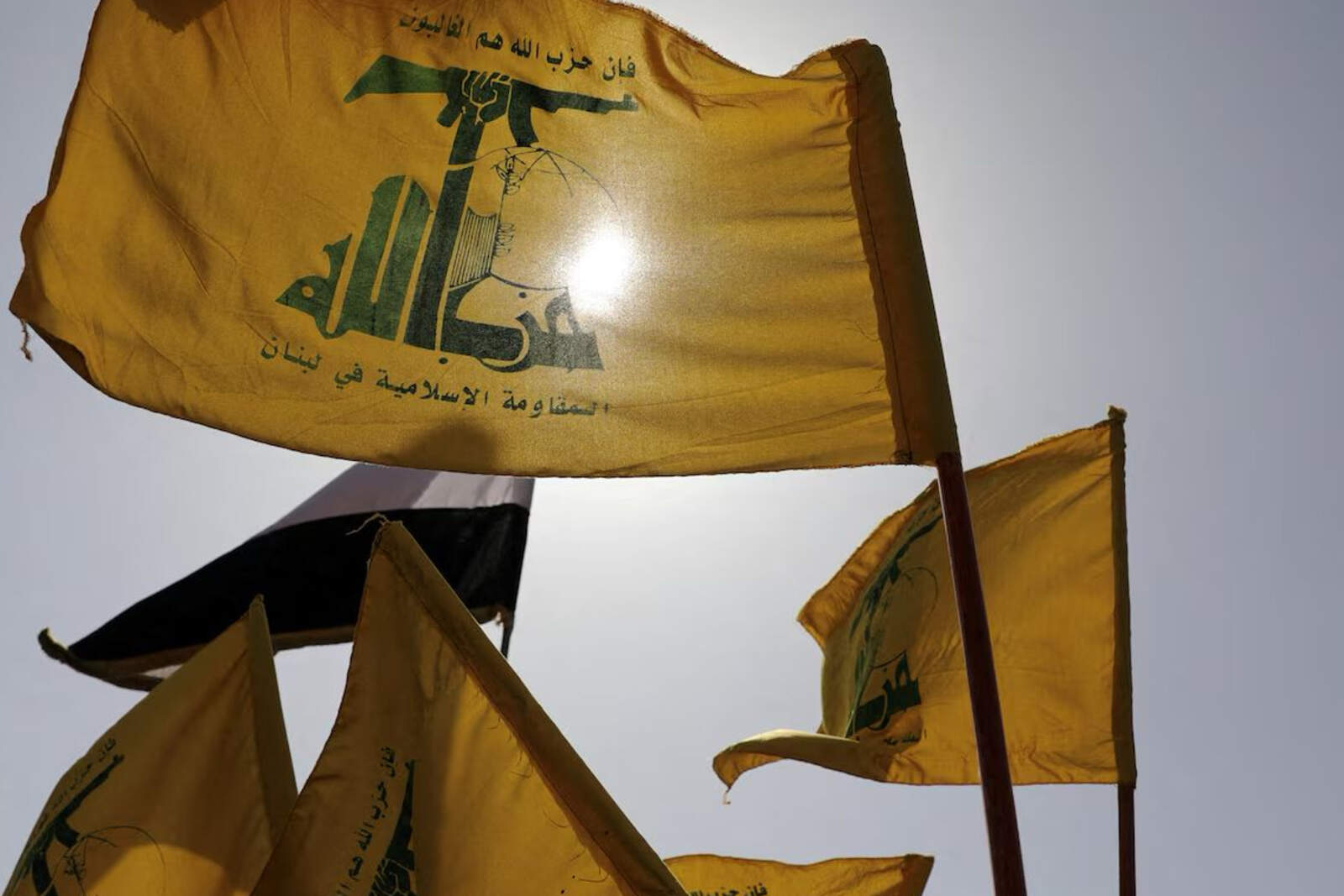
The Israeli Embassy in Montevideo has issued a serious warning to Uruguay about Hezbollah's growing power and influence in South America.
According to a report published this Tuesday by Argentine outlet Infobae, Iran's terrorist proxy group is working "hand in hand" with local criminal organizations, and Israeli authorities are offering assistance to combat this threat.
During an event jointly organized by the Center for Development Studies of Uruguay, the United States Embassy, and the European Union in Montevideo, Igal Ekdesman, deputy director of the Israeli mission, detailed the situation.
"The authorities and citizens of a country usually believe they won't be targeted by terrorist activities, but that's a mistake. We say 'nothing will happen here,' but in recent years we've seen events all over the world and we can no longer ignore it," Ekdesman stated.
The diplomat described Hezbollah as one of the "largest terrorist and organized crime organizations in the world," which has strengthened its presence in the region by collaborating with criminal gangs in Argentina, Brazil, and Paraguay, especially in cocaine trafficking, other drugs, and money laundering.
Reunión
According to Ekdesman, Israel's actions against the Shiite jihadist group have "drastically" reduced its funding, forcing it to seek new sources of income in South America.
What does this have to do with Uruguay?
This is a very important issue that will significantly impact South America, because financial cutbacks in the Middle East will affect South American countries.
Today, Hezbollah needs to work more closely with South American organized crime organizations to obtain funding," he explained, highlighting the direct link with Uruguay.
Historical presence in the Tri-Border Area
For years, it has been known that Hezbollah keeps an active presence in the Tri-Border Area shared by Argentina, Paraguay, and Brazil.
In 2024, Argentine President Javier Milei's government intensified efforts to counter this influence on the shared border. Argentina suffered two deadly attacks perpetrated by Iran through Hezbollah in the 1990s: the attack on the Argentine Israelite Mutual Association (AMIA) in 1994 and the attack on the Israeli Embassy in Buenos Aires in 1992.
Imagen de la reunión
In September, the United States Southern Command (SOUTHCOM) published a report denouncing how Hezbollah has turned the Tri-Border Area into a "haven" for illicit activities, taking advantage of weak state institutions, endemic corruption, and porous borders.
This allows the group to operate with almost complete impunity, generating stable income and a secure base for planning future attacks.
"Hezbollah has entrenched itself in this lawless border, building a vast financial network that fuels its global operations.
By exploiting weak institutions and rampant corruption, the group launders the profits from its illicit drug trade with impunity, along with counterfeiting, cryptocurrency mining, and a network of other criminal enterprises, all in service of its campaign for global influence," the SOUTHCOM report states.
Conferencia
Uruguay and the absence of terrorist designation
Unlike Argentina, Paraguay, the United States, and Israel, Uruguay has not designated Hezbollah as a terrorist group. In September, a bill was introduced in the Uruguayan Parliament to create a national list of terrorist entities.
Senator Andrés Ojeda stated at the time that, if approved, Hezbollah and Hamas would be at the top of the list.
"Today, Uruguay basically replicates the UN list. The Security Council is deeply compromised by its membership: countries like Russia and Iran do not allow entities like Hamas or Hezbollah to be included," Ojeda explained at that time.
Ekdesman extended an offer from Israel to help draft legislation establishing a list of organizations to combat, emphasizing the need to act before it is too late.