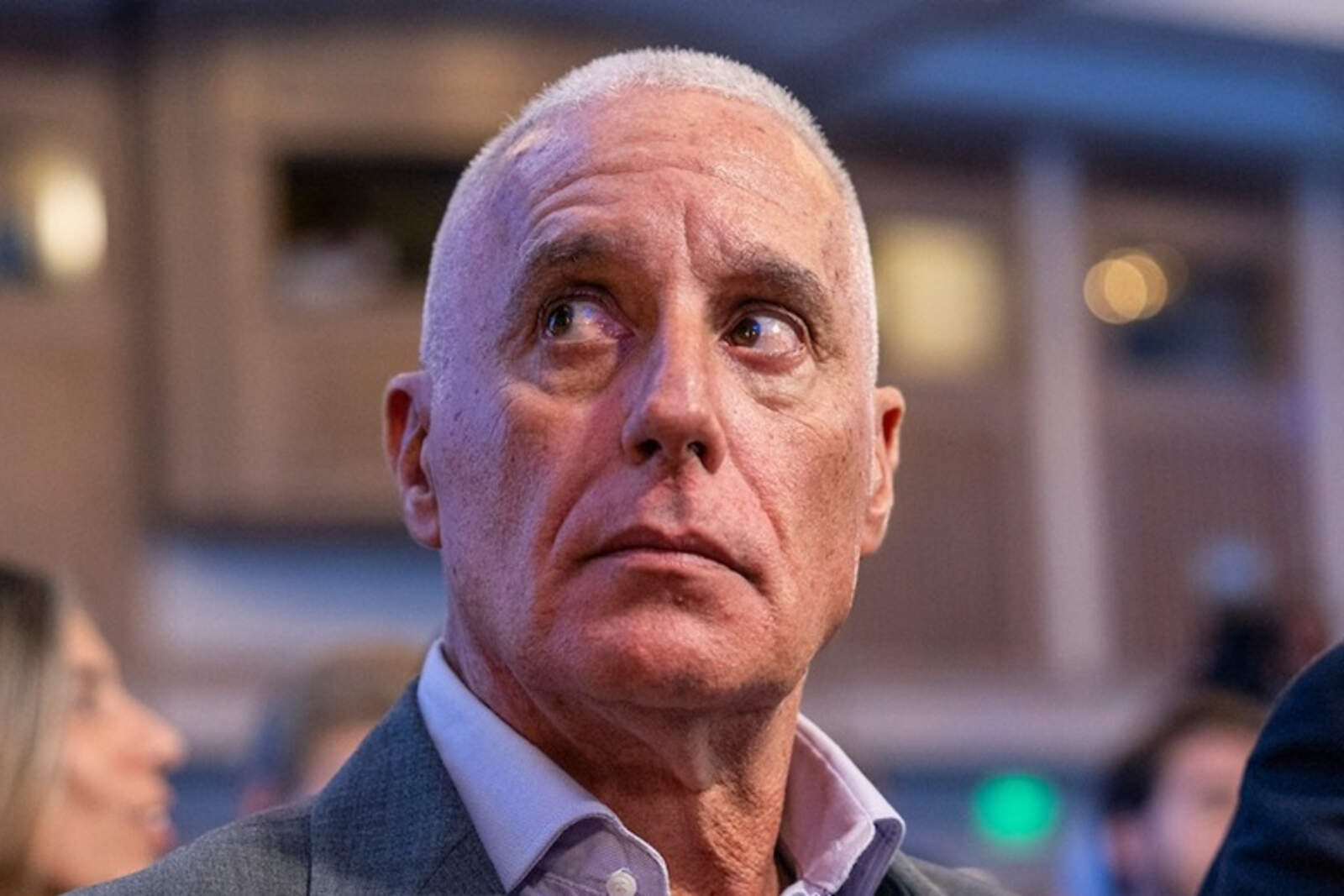
The ruined house disguised as order: Minister Oddone's economic farce
Oddone
porEditorial Team
Uruguay
Ihogig igig
When Gabriel Oddone solemnly pronounced that “the house is in order”, he was not reporting on the Uruguayan economy: he was lying with disguised numbers and a serenity that insults the intelligence of anyone who looks beyond the official balance sheets.
A primary fiscal deficit of -3.9% of GDP in 2025 is not an achievement of discipline; it is a confession that the Uruguayan State continues to devour almost 4% of all the wealth produced by private individuals without returning anything comparable in real value. This percentage is no accident: it is the price Uruguayans pay for maintaining a hypertrophied, clientelist and increasingly useless bureaucratic apparatus
in terms of generating prosperity.
The minister celebrates the achievement of a goal that he himself helped to reduce and make more flexible, while public debt is dangerously approaching levels that are already arousing serious alerts among investors and rating agencies. What does this “order” consist of?
In continuing to finance current spending with debt that mortgages the future, in maintaining client subsidies that distort the labor market, in maintaining rigidities that drive out investment and in pretending that the 2.2% growth projected for 2026 is more than a mediocre comfort for an economy that is dragging itself in chronic mediocrity.
Labor massacres in the global services sector—BASF laying off 40% of its local plant, Sabre drastically cutting back, other firms following the same path—are not unpredictable “global events” that the government powerlessly regrets. They are the direct consequence of state policies that have made Uruguay an expensive, rigid and uncompetitive place for companies that can choose where to set up their operations.
Advertisement
Very high labor costs due to suffocating social security, practical impossibility of adjusting workforces without paying fortunes in compensation, an artificially appreciated exchange rate that destroys margins in tradable sectors, and on top of that a government that responds with promises to “cushion” and “accompany” instead of lowering taxes and
deregulating.
These companies don't leave on a whim: they leave because the Uruguayan State charges them too much to stay and complicates their lives too much when they need to adapt.
Oddone talks about concern and meetings with the private sector as if he were discovering the problem. What should worry him — and a lot — is that his own ministry and his governing coalition are directly responsible for Uruguay remaining trapped in the middle-income trap: anemic growth, stagnant productivity, emigration of talent and capital, and a growing dependence on commodities without added value. The projected 2.2% is not optimism; it is official resignation to what the market already discounts as the maximum attainable under the current
interventionist model. Advertisement
The house is not in order. The house has its roof pierced by perpetual deficits, its walls eroded by suffocating regulations, its foundations weakened by a debt that grows faster than the economy, and the inhabitants — the real producers — escaping through the windows because they
can no longer breathe inside.
The minister can keep repeating his reassuring mantra, but the reality is brutal: Uruguay is paying dearly the price of never having done the structural reforms it needed. He continues to spend as a rich man, to regulate as a twentieth-century statist and to compete as if the
world hadn't changed.
As long as Oddone celebrates disguised figures and promises buffers that never create net employment, the real economy will continue to bleed layoffs, company flight and lost opportunities. The house is not in order: it is in controlled decay. And if runaway public spending, criminal labor rigidities and the interventionism that suffocates private initiative are not attacked at the root, tomorrow there will be no house left to tidy up: only ruins with a sign that