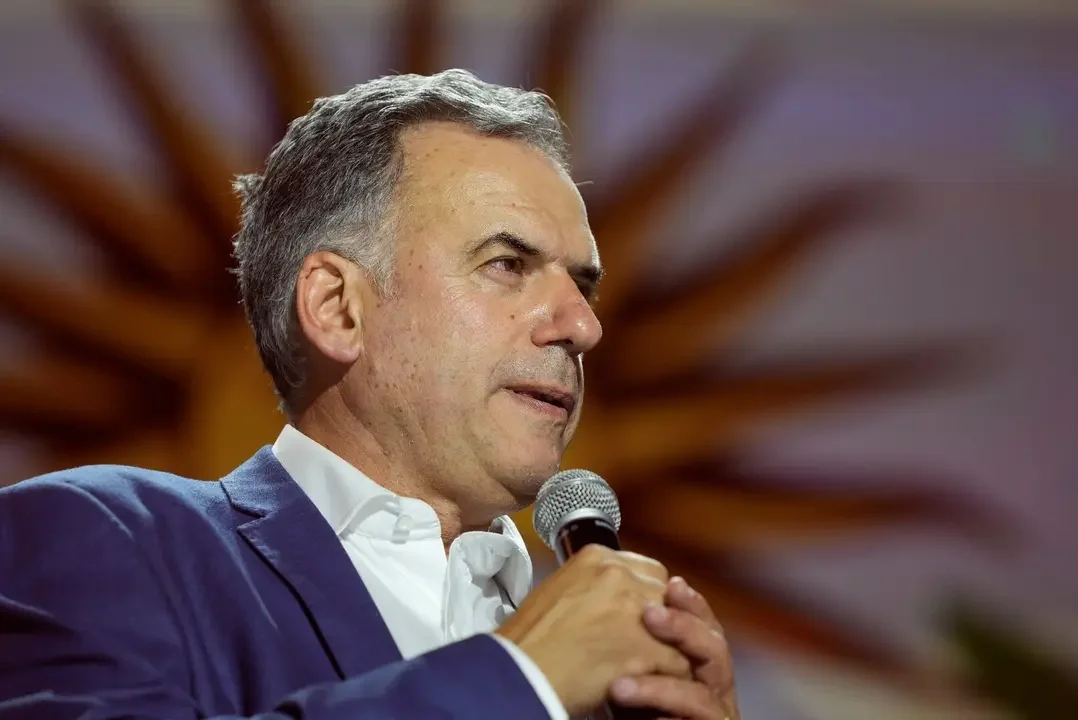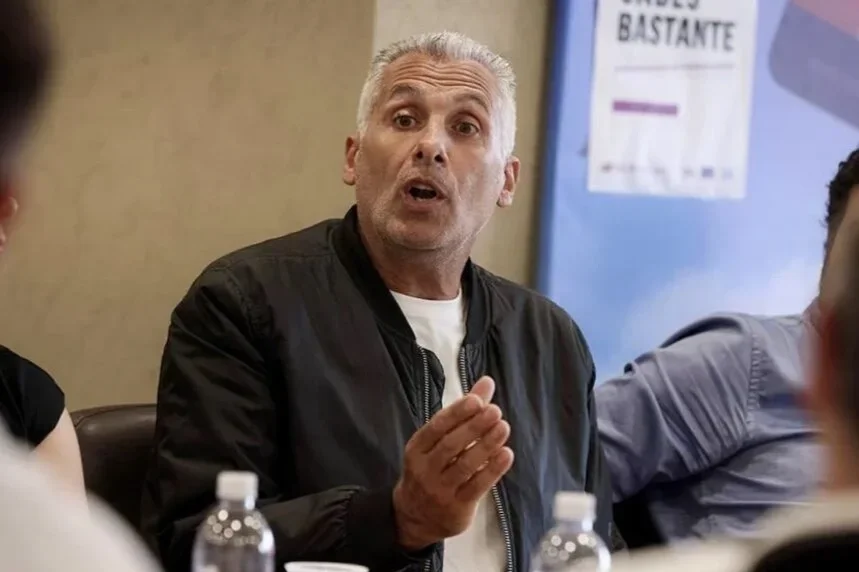

There are phrases that, unintentionally, become epitaphs. President Orsi chose to open his April 7 conference with a sentence that sought to sound compassionate: “the street is not a place to live.” He's right. But there is one question that that phrase cannot avoid: who turned the street into what it is today
?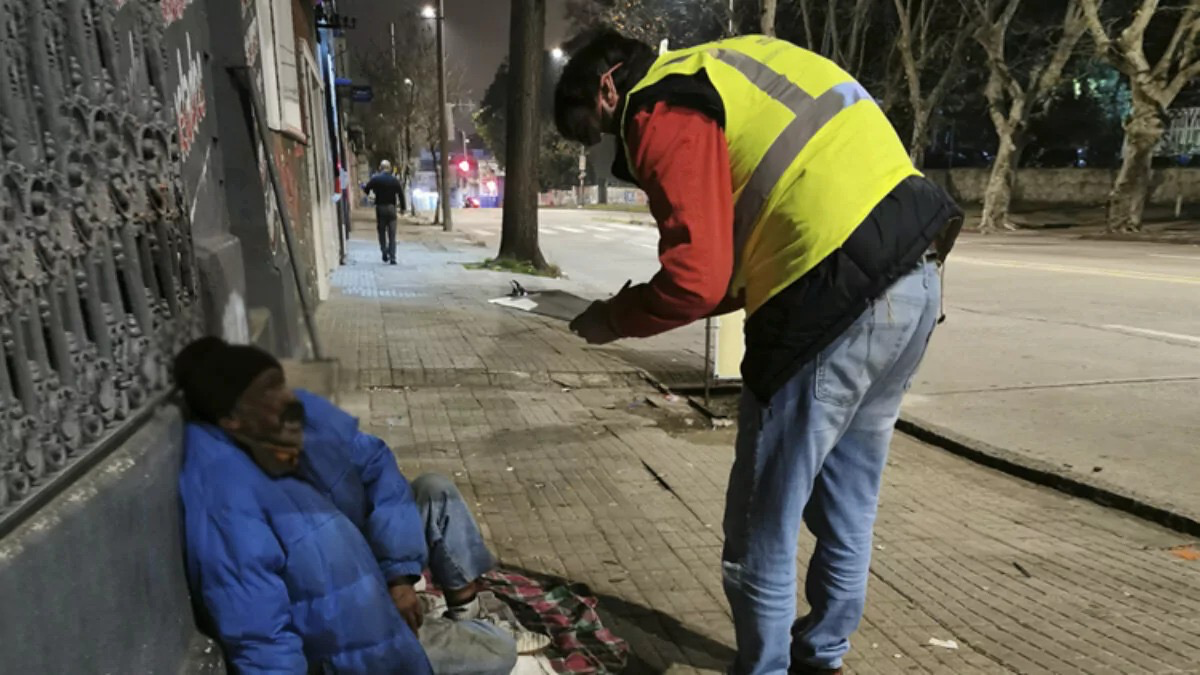
The answer lies in the government's own data. In a decade, the number of people sleeping on the street in Uruguay tripled. Today it's no longer a number: it's a daily scene in every corner of Montevideo. Not in a country at war. Not under a dictatorship. In progressive Uruguay, of the present State, of social spending in permanent expansion. The Uruguay that the Broad Front governed for fifteen years and which now, with a face of genuine concern, discovers that it has a “much bigger” problem than it was
supposed to.Orsi said it without anesthesia: “we have passed those of us in governments and the number grew”. They went through Vázquez, Mujica, Vázquez again. They passed the plans, the ministries, the resources, the statements. And the street continued to fill up
.Welfare is not a solution. It's an industry that needs the problem to never end.
The answer to this cumulative failure is not to revise the model. It is to deepen it. The new plan - “Comprehensive National Strategy for Addressing the Street Situation” - proposes 42 measures and an approach called “the three V's”: Link, Housing and Life. Minister Civila was proud: they went from 5,000 to 8,000 accommodation places. The problem, meanwhile, tripled
in size.There is, in a single paragraph, the logic of progressive care: the State is growing, the State's indicators are improving and the problem that the State claims to combat is also growing. It's not a paradox. It's the model working exactly as it was designed.
Welfare doesn't solve marginalization: it manages it. Every shelter that opens is simultaneously a response to real suffering and an institutional incentive for that suffering to persist. A system that measures its success by the number of people it serves never has real incentives to reduce that number. The result is the citizen turned into a chronic beneficiary and the State turned into a limitless nanny
.The causes that the Broad Front cannot name without betraying itself
,Orsi pointed out that 60% of people in street situations went through jail or INISA. He mentioned addictions. He cited drug trafficking. He talked about mental health. All right. All insufficient.
Because there was no question that fifteen years of front-wide governments could never ask out loud: what role did the disintegration of the family, the weakening of community networks and the culture of dependence that the progressive State itself cultivated play? The Broad Front interpreted the street as the exclusive consequence of a cruel “system”. He rarely accepted that it is also the result of personal decisions, of addictions without effective treatment, of disarmed families, of a culture that romanticizes marginality instead of demanding
responsibility.Triplication is not an accident. It is the predictable fruit of a logic that never asked itself about the root causes, because to do so would have involved questioning its own assumptions
.The drug trafficking that Orsi mentions grew under his coalition, in his cities, in his neighborhoods. The addictions he cites are not alien to the policies of his space, which for years normalized consumption as an individual right without bearing the collective cost.
The right diagnosis, the wrong medicine