In a country traditionally known for its social stability and low crime rate within the Latin American context, Uruguay is now facing an alarming reality: a historic record of homicides that threatens to erode its image as the "Switzerland of America."
According to data from the Ministry of the Interior, the year 2022 marked the peak with 383 murders, closely followed by 2023 with 382 cases. Although 2024 showed a slight stabilization with 379 homicides—a 0.5% decrease compared to the previous year—the overall rate of lethal violence remains at epidemic levels: 10.7 homicides per 100,000 inhabitants, according to the official report from October 2025.
This figure, higher than the country's historical standards, reflects not only a sustained increase since 2012, but also the infiltration of drug trafficking and gangs into Uruguayan society.
Historical Evolution: From Stability to Uncontrollable Rise
Uruguay maintained low and stable homicide rates for decades, with figures below 8 per 100,000 inhabitants until the early 2010s. However, starting in 2012, a systematic increase was recorded. The year 2018 was a turning point, with a 25% jump in murders, reaching 420 cases.
The COVID-19 pandemic caused a brief slowdown in 2021 (306 homicides), attributed to reduced social mobility, but the rebound was immediate: 383 in 2022 and 382 in 2023.
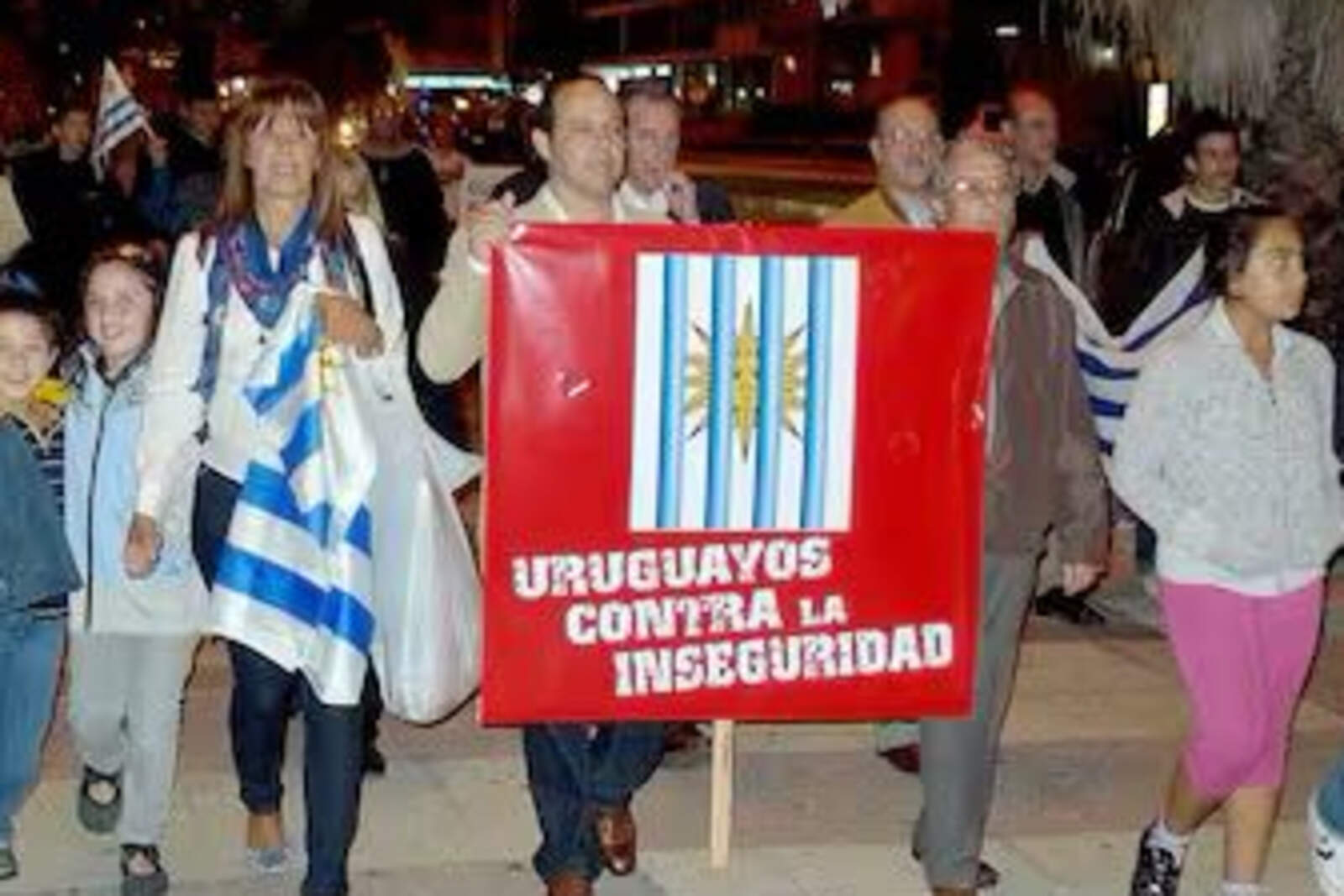
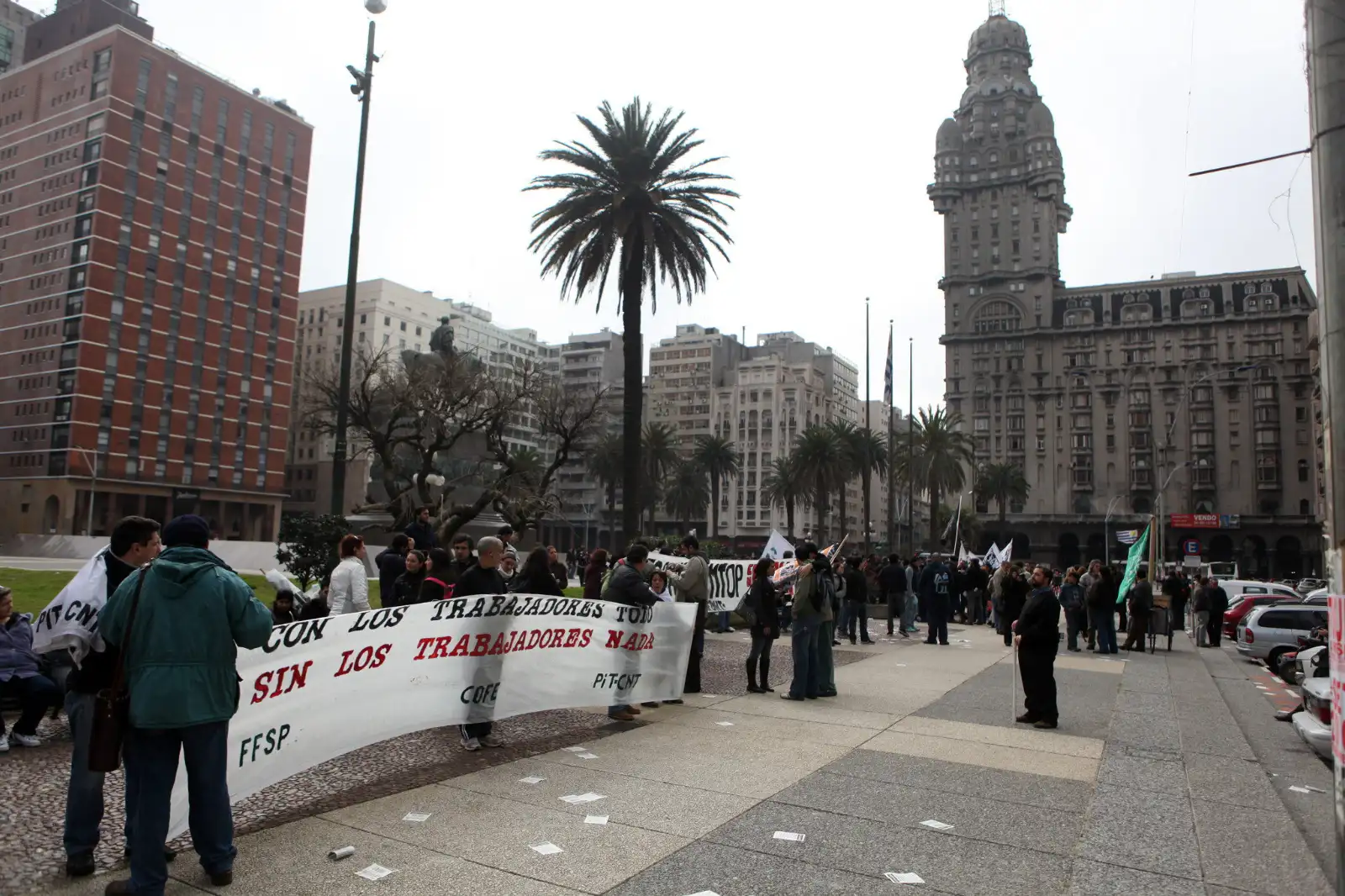
Uruguayos marchando por la situación.
For 2024, the Ministry of the Interior reported 379 homicides, with a concentration of 61% in Montevideo (231 cases, 11.1% more than in 2023). In the country's interior, there was a 14.5% reduction, but departments such as Durazno have already surpassed their record with rates of 16 homicides per 100,000 inhabitants—doubling the national average—.
In the first nine months of 2025, 277 homicides were recorded, 0.7% fewer than in the same period of 2024 (279), showing a slight stabilization under the new government of Yamandú Orsi, who took office in March.
Between 2011 and 2024, homicides increased by 87%, far surpassing neighboring countries such as Argentina (4.4 per 100,000) or Chile (4.5). 42% of these crimes occur between 10:00 p.m. and 5:59 a.m., and 60.4% in public spaces.
The main trigger for the record number of homicides is drug trafficking, which has transformed Uruguay from a mere transit point to an active drug market. According to the UN Global Study on Homicide, Uruguay ranks second in Latin America in homicides linked to organized crime and gangs, only behind Jamaica.
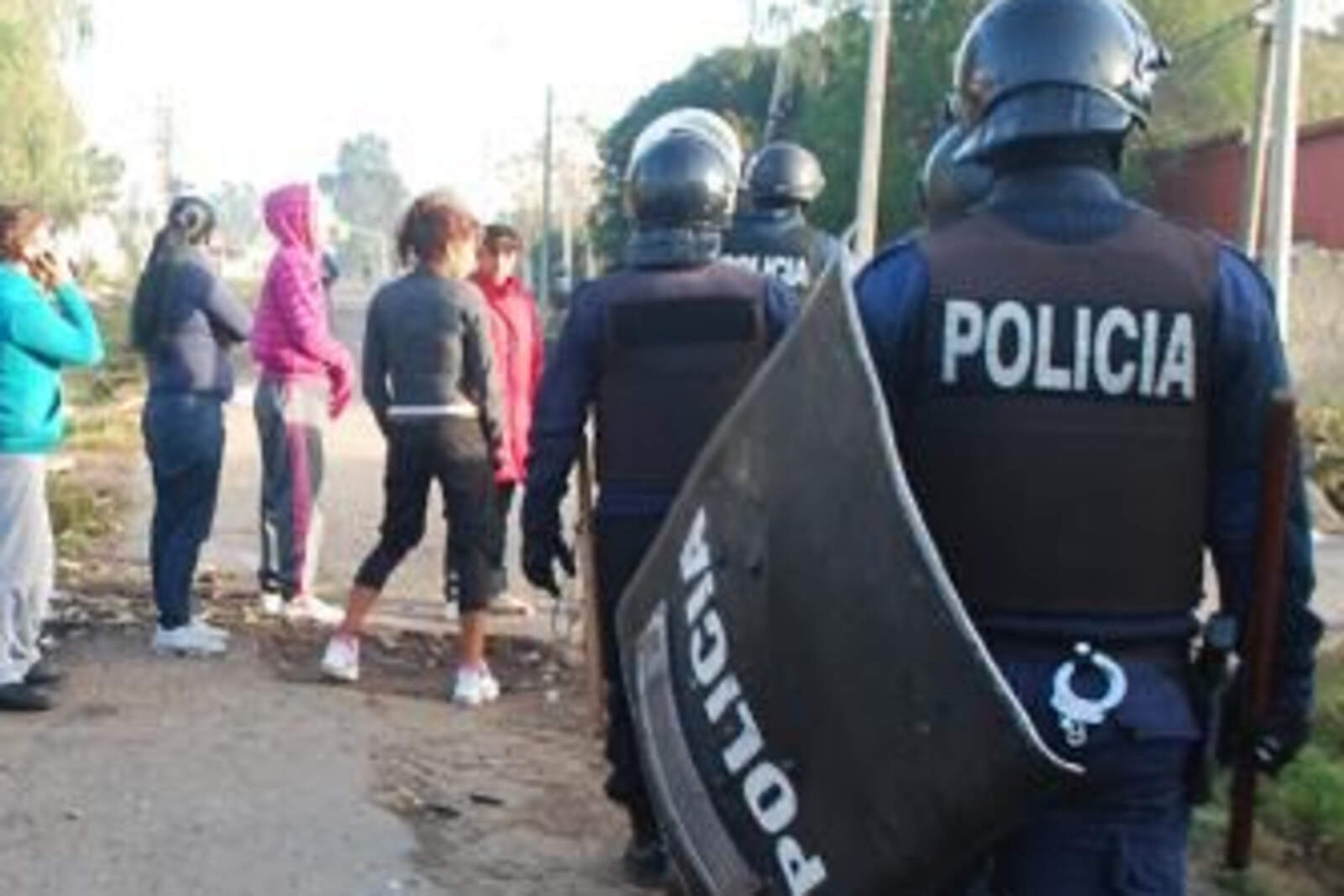
Policía uruguaya.
The legalization of cannabis in 2013, although it reduced the illegal marijuana market, triggered a "rebound effect": local and foreign gangs turned to cocaine and base paste, generating territorial disputes and score-settling.
Firearms: crimes involving firearms increased by 300% between 2013 and 2024, with Uruguay registering 617,000 firearms in circulation (one for every six inhabitants).
Drug consumption: cocaine and base paste are the main drivers, especially in contexts of social exclusion, prisons, and people living on the streets.
Poverty: poverty in peripheral neighborhoods, combined with judicial impunity and lack of police presence, fosters the "narco culture."
The Minister of the Interior, Carlos Negro, described this situation as "epidemic" in October 2025, warning about the normalization of violence in a country with one of the largest police forces in the region (21,146 officers).
Social Impact: Youth, Women, and the Community Fabric
Violence disproportionately affects young people: 7% of perpetrators in 2024 were adolescents. There were 16 homicides of minors in the first nine months of 2025, the same as in 2024. Women account for 15% of victims of gender-based violence, but femicide remains an open wound.
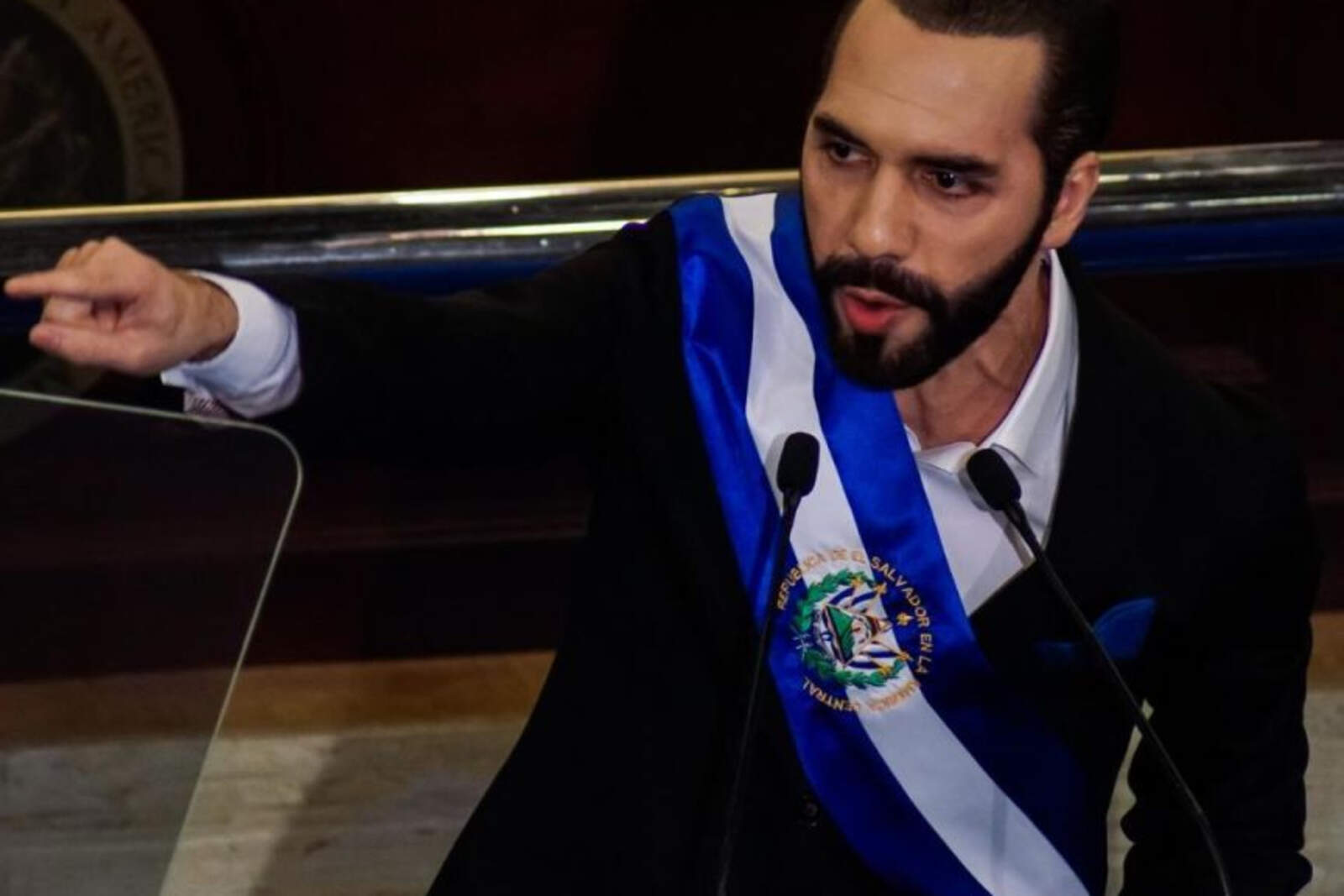
Bukele.
In prisons, 14 homicides in 2024 (4%) demonstrate the control of gangs behind bars. The record level of violence generates exodus, fear, and social distrust, with entire families disappearing due to drug-related extortion, and security spending rising by 21% between 2013 and 2024.
Government Responses: Tough Approach or Comprehensive Strategies?
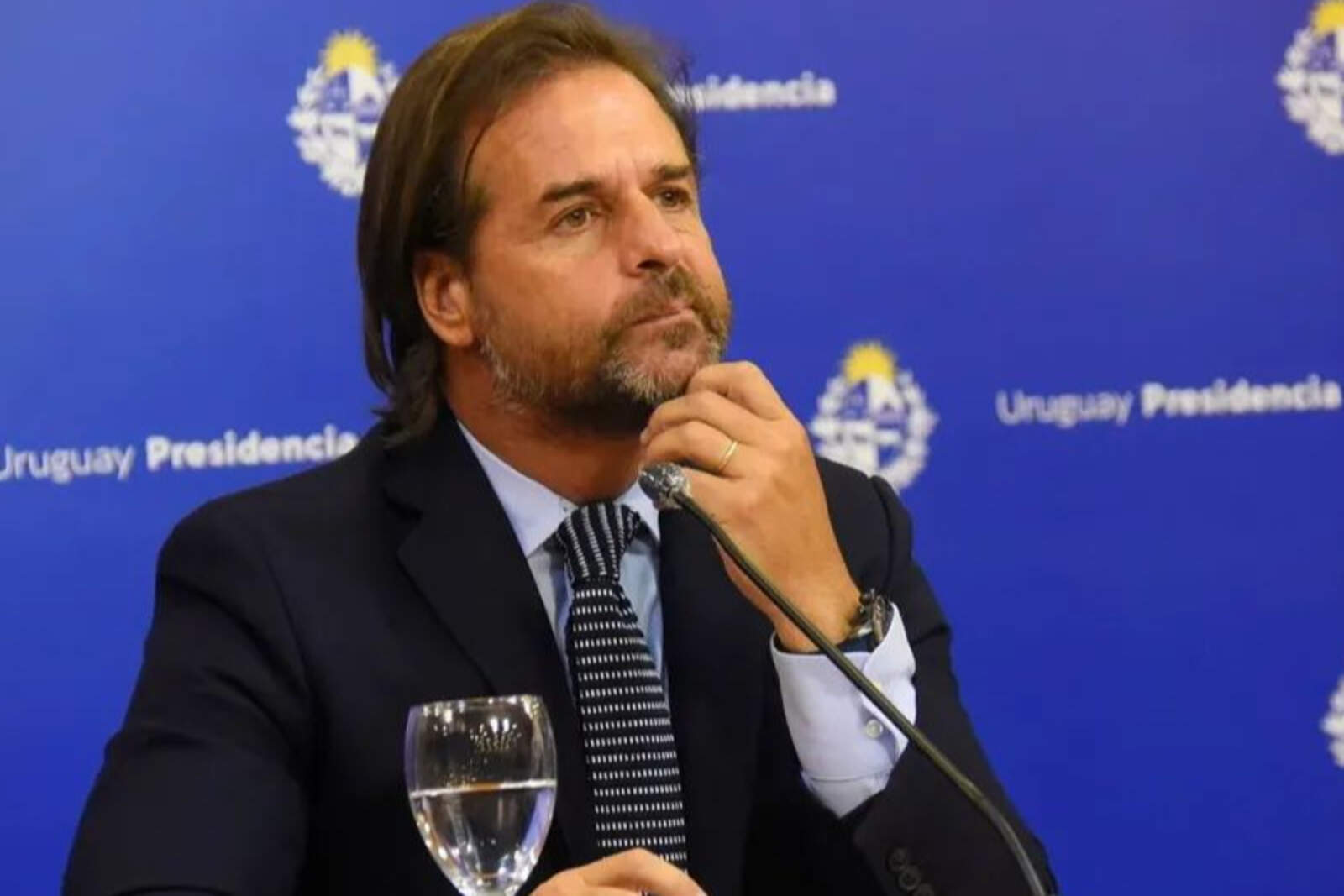
The government of Luis Lacalle Pou (2020-2025) promoted the Urgent Consideration Law (LUC), increasing penalties and police presence, but did not manage to reverse the trend. "We haven't been able to deal with homicides", admitted the former president.
During an interview with CNN Chile, Lacalle Pou was asked about the "Bukele doctrine," the security model implemented in El Salvador. He acknowledged understanding the need for such measures, but was blunt: "No, it's not a model for Uruguay".
He emphasized that the eastern country requires approaches adapted to its institutional and legal reality, prioritizing legislative and preventive reforms over authoritarian interventions.
However, violence continues to rise and the State seems to be losing control of the territory. Uruguay, which was once an example of peace and stability, now faces a moral and political dilemma: to restore order without giving up freedom.