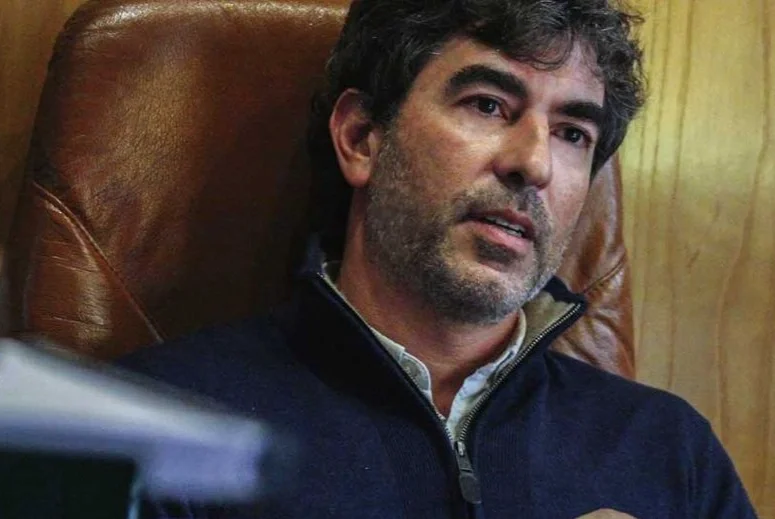

Martín Aguirre, director of El País, does not analyze Uruguayan politics. He manages it from the interest of someone who benefits from the status quo. In his column on June 14, he attacks the opposition sectors that demanded to go "to the bone" against President Orsi over the truck case and then pointed out the weakness of their own leaders.
He calls them "right-wing foquismo," accuses them of being ruthless with their "own, traditional, and dialoguing leaderships," and warns that they harm democracy by rejecting negotiation.
What he really defends is the system that allows his newspaper to continue receiving sponsorships from companies that thrive on state privileges and official advertising from governments, including the Broad Front.
That is why he criticizes the ruling party only on superficial matters—a discount on a truck, a sworn declaration—but never gets to the heart of the matter: the oversized state apparatus, widespread clientelism, public education that produces massive failure generation after generation, regulations that stifle private activity, and public spending financed by high taxes and debt.
This is the line that Aguirre maintains. He prefers the dialoguing opposition, the one that negotiates, the one that does not break structures. That is exactly the cowardly right that he protects.

The one that had five years of government with Luis Lacalle Pou and sufficient parliamentary majorities to make substantial reforms, but chose the center. The center that means not touching the essentials, managing what is inherited, and delivering continuity.
The clientelist apparatus was not dismantled, education was not truly reformed, and the weight of the state on the economy was not reduced. The system was managed. And Aguirre now comes out to shield that same logic in the current opposition.