Debunking the lie that the army needs to be downsized
Nuevo
Agregar La Derecha Diario en
Compartir:
A few days ago, Caras y Caretas published an article by Enrique Ortega Salinas proposing to reduce the Armed Forces by 15%.
This is not the first time someone repeats that slogan, but what is striking is the lightness with which he does it: without any training in defense, without any experience on the subject and, above all, without understanding the international context or the missions that our Armed Forces currently carry out.
In 1,600 words, the author deploys an arsenal of half-truths and omissions that deserve a response. Here we go, dear reader.
The half-told historical account
Ortega claims that in 1985 the number of military personnel was reduced. That is true, but he doesn't tell the whole story: since the late 1960s, the Armed Forces had grown due to terrorist activity, and the return to democracy meant returning to pre-violence levels. Saying that today "there are too many soldiers" is nonsense.
On the contrary, the missions have increased. The Armed Forces guard prisons, patrol borders, participate in peacekeeping missions, and their role in protecting prosecutors is even under discussion.
Reduce in that context? It is difficult to justify if one looks at reality and not at slogans.
Another of his claims is that "we spend too much on defense." False. According to international indicators, Uruguay allocates only between 0.6 and 0.7% of GDP, and that includes items that in other countries are counted as health, education, or social security: the military hospital, academic training, or pensions.
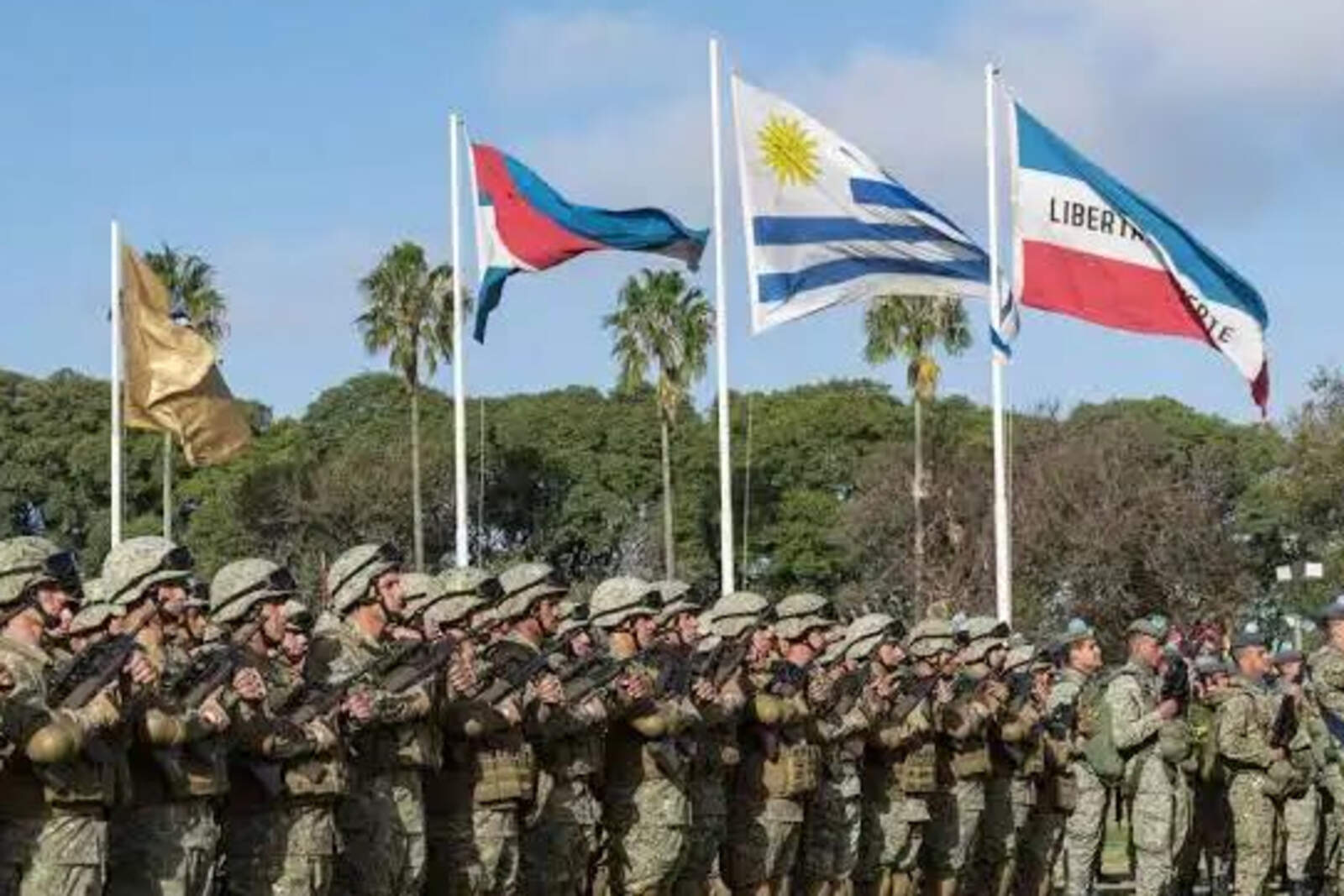
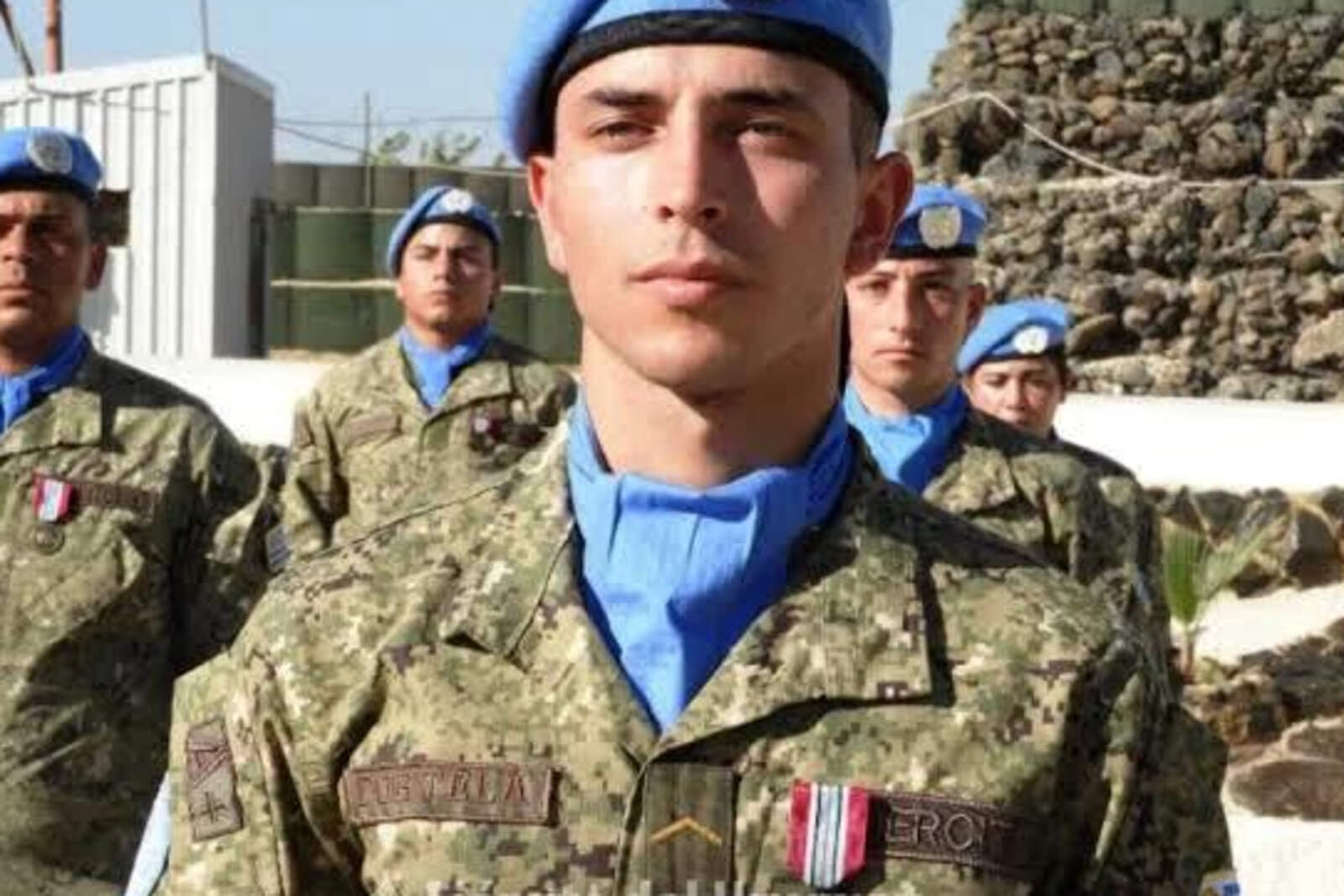
Militares uruguayos.
The comparison is misleading. NATO recommends 2% of GDP as a minimum. He also lies—or doesn't know—when he says that soldiers are the only retirees who receive a bonus. All retirees receive it, only in different payment formats. Just ask before writing.
Poorly made comparisons
He criticizes that many barracks are not on the border, without understanding basic concepts of strategic depth or logistics chains. He also compares the number of personnel with Paraguay, without clarifying that there military service is mandatory and that the president can immediately mobilize 130,000 reservists. Uruguay, meanwhile, lacks any reserve.
When he mentions Spain, he omits that the European Union now requires increasing military spending to 5% and that countries that do not do so face sanctions. When he talks about Chile, he remains silent about the fact that it invests between 1.5 and 2% of GDP and has one of the best air forces in Latin America.
The real world
The most serious thing is his disconnection from global reality. Global military spending has skyrocketed. Tensions between powers are evident. There are analysts who already speak of a new Cold War, with increasingly unstable regional scenarios.
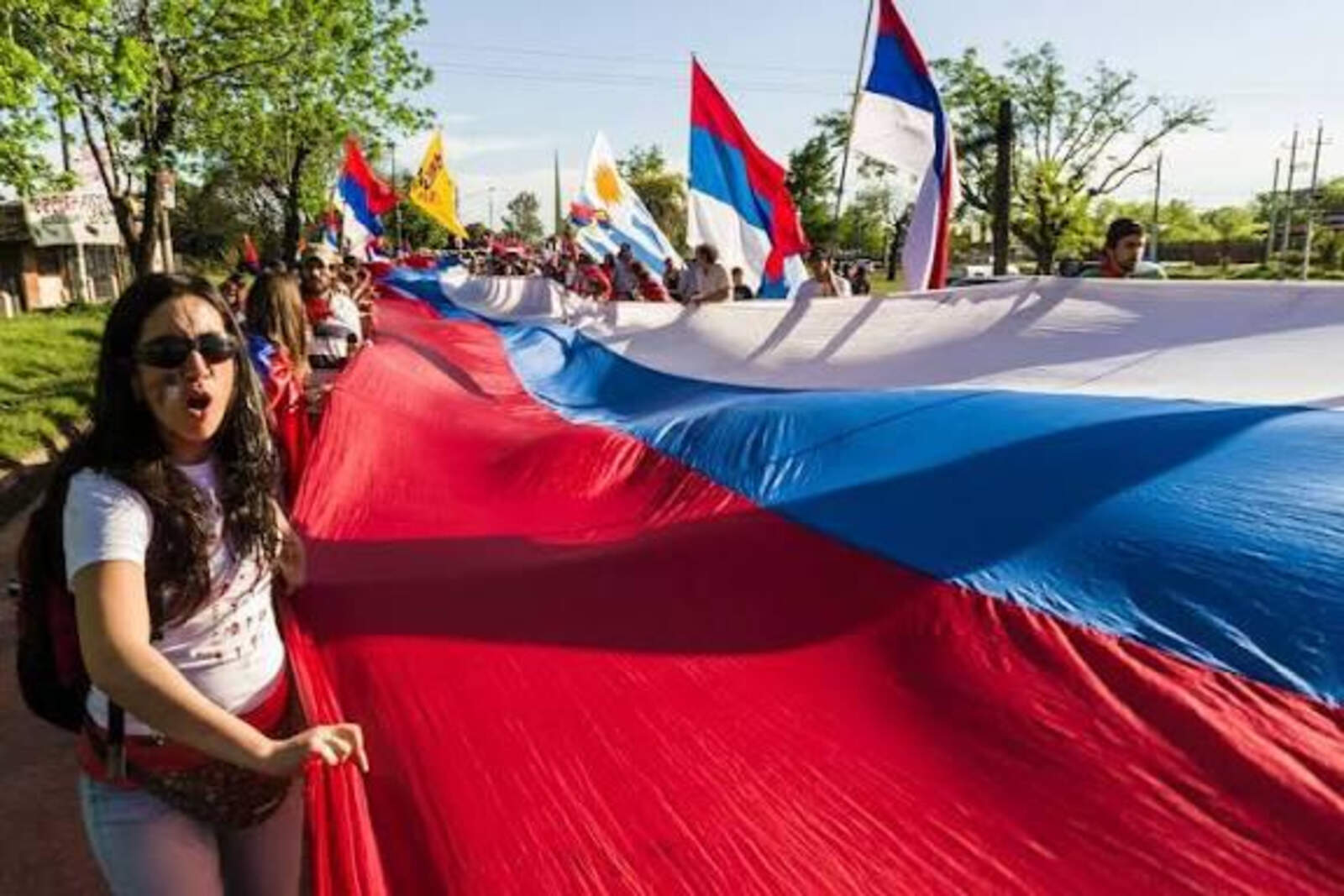
Militantes de izquierda.
In that context, does Ortega really believe that Uruguay—a small country, without reserves, and with more internal responsibilities—can further reduce its defense?
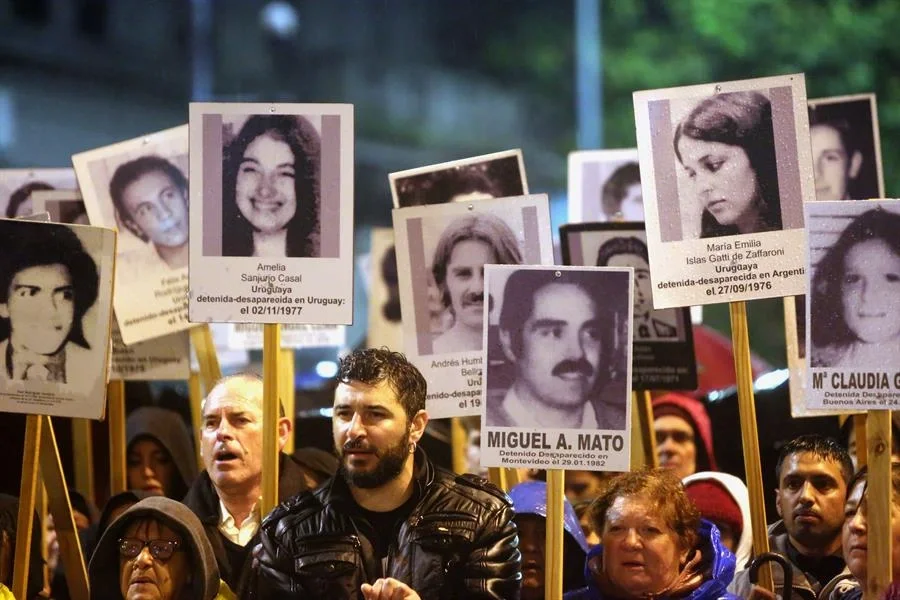
Because his article is music to the ears of the rabid seals: that totalitarian left that dreams of disarming the institutions that guarantee our freedom. They love to hear that the Army can be "shrunk," even if it is a lie. Rotten, because the figures are twisted, the comparisons are false, and the intention is clear: to sell a narrative to cover up the government's impotence, unable to fulfill what it promised.
The truth in brief
Uruguay spends little on defense: 0.73% of GDP, including non-military items.
We have very few personnel and no reserve.
All retirees receive a bonus, not just the military.
Society demands more military presence against drug trafficking.
The world is heading toward difficult times: neglecting this would be suicidal.
In summary: Ortega's text is not a serious debate on defense policy. It is rotten fish for rabid seals, served with cynicism and misinformation.
The only doubt I have left—and which I leave to the reader—is whether Enrique Ortega wrote out of ignorance or knowingly lied.